Blog / Jacksonville MINI Service

Blog

All Jacksonville MINI Service Jacksonville MINI Dealer Tom Bush MINI Things To Do In Jacksonville Tom Bush MINI Service Jacksonville Entertainment Jacksonville Amenities Jacksonville Used Cars Jacksonville Eateries Fun in Jacksonville Jacksonville Restaurants Tom Bush Family of Dealerships Jacksonville Kid Friendly Activities Jacksonville Parks Car Necessities MINI Financing Tom Bush MINI Finance Jacksonville Foodies Jacksonville Auto Finance Jacksonville Collision Center MINI Warranty Tom Bush MINI Collision Jacksonville Weddings Things To Do Near Jacksonville Booklovers Jacksonville Brunch Jacksonville Traveling MINI Lease Deals Jacksonville Small Town Fun Stress Free
MINI service prices

MINI Service Prices and Repair Estimate Review Guide

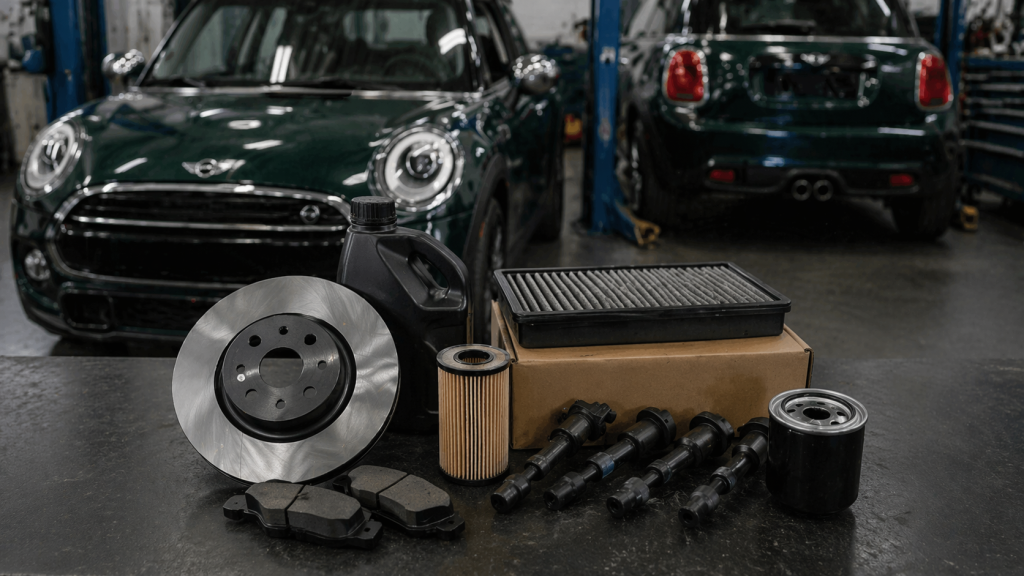
MINI service prices are easier to review when each estimate line explains diagnosis, labor, parts, maintenance, and repair separately. Therefore, a written estimate should show what the technician found and what work is proposed. Therefore, you can review each item before giving approval. That process also makes it easier to ask clear questions about timing, coverage, and service offers. How to Read a MINI Service Estimate What are you paying for on a MINI service estimate? The estimate should separate testing, technician time, parts, planned maintenance, and repair work. In addition, each category represents a different part of the service visit. Therefore, reviewing the estimate line by line gives you a clearer view of the proposed work. Diagnostic testing covers the time used to isolate a fault. Labor covers the time needed to complete the repair or service. Furthermore, parts cover the components, fluids, filters, or hardware listed for the job. In addition, scheduled maintenance may appear beside repair work during the same visit. Before approving the estimate, review these categories: Ask what testing supports each repair recommendation. A clear answer should connect the proposed work with a finding from the inspection or diagnostic process. Check whether labor and parts are listed separately. This makes it easier to see where the total comes from. Ask whether each item is scheduled maintenance, current repair work, or a recommendation for a later visit. Timing should be clear before approval. A well organized estimate should make the work easier to follow. Therefore, you should not need to guess why a line item appears. Diagnostic Charges Cover Fault Isolation Why can diagnosis carry its own charge before repair pricing is final? Diagnostic work pays for the testing needed to identify the source of a fault. However, a warning light or stored code may narrow the search, but it may not identify the failed component. MINI technicians can review fault memory, live data, electrical readings, and communication between control modules. In addition, a road test may be needed when a concern appears only while the car is moving. Therefore, each step adds evidence before parts are replaced. For this reason, diagnosis and repair are separate stages. The first stage identifies what is wrong. The second stage uses that finding to price the needed work. Therefore, a diagnostic charge does not mean the same work is being billed twice. Ask what the testing confirmed before approving the repair. The service team should be able to explain which finding led to the recommendation. Labor and Parts Explain Different Parts of the Job Why can labor cost more than the replacement part? Labor reflects the time and steps needed to reach, remove, install, test, and verify the component. However, a small part can sit in an area that takes more time to access. MINI models also use electronic controls that may need programming, calibration, or final checks after installation. Therefore, the labor line can include more than physical removal and replacement. Some repairs also require trim, covers, or nearby components to be moved first. In addition, parts pricing reflects the components used in the job. That may include the main replacement part plus seals, fasteners, fluids, or related hardware. In addition, the exact MINI model and drivetrain can change the part number. When reviewing the estimate, ask what the labor time covers and which parts are included. That gives you a cleaner view of the total before approval. Routine Maintenance and Repair Work Need Separate Review Is every line item on the estimate a repair? No. A service visit can include scheduled maintenance and repair work at the same time. Therefore, scheduled maintenance follows a planned service schedule. Oil service, brake fluid, filters, and inspection items can fall into that category. By contrast, repair work responds to a confirmed fault, measured wear, damage, or a failed component. For this reason, this distinction matters when you review coverage. New MINI vehicles include scheduled maintenance for a stated time and mileage window. Warranty coverage follows separate rules. Maintenance plans and service contracts can also use different terms. Therefore, ask which category applies to each line item. A maintenance item may follow a normal service interval. A repair item should connect to a finding from the inspection or diagnostic process. Keeping those categories separate also makes future planning easier. You can see which work belongs to the current visit and which service will return on a later schedule. Decide What Needs Attention Now and What Can Wait Which recommendations need attention first? The answer should come from safety, active faults, measured wear, and the technician's findings. Some items may need prompt attention because they involve braking, steering, cooling, electrical faults, or another active concern. However, other items may have remaining service life and can be planned for a later visit. Therefore, ask the service advisor to explain the timing for each recommendation. In addition, ask what was measured and observed. Then ask what could happen if the work is delayed. It should also explain whether the item has a clear service limit or inspection result behind it. Therefore, this approach does not require you to diagnose the MINI yourself. Instead, it gives you a structured way to review the recommendation before approval. If several items appear on one estimate, ask the advisor to separate them by timing. That can make a larger service visit easier to plan without losing sight of the most pressing work. Check Coverage Specials and Approval Details What should you verify before approving the estimate? Review coverage, current service offers, the total amount, and the work that will be completed. First, ask whether any line item may fall under active MINI coverage. This may include warranty, scheduled maintenance, Maintenance+, or a service contract. Each program has its own terms. Therefore, coverage should be checked against the exact MINI and current plan. Next, review current Tom Bush MINI service and parts specials. However, offers can change and may apply only to certain services or dates. For this reason, ask whether a current offer applies before the work begins. Also confirm what happens if the technician finds another issue after disassembly. Therefore, you should know whether new work requires separate approval before the total changes. In addition, ask which recommendations can be planned for a later visit. Tom Bush MINI service in Jacksonville can review the estimate with you before work begins. Bring questions about the findings, timing, coverage, and current offers to that conversation. A clear estimate should leave you knowing what is being done, why it is being done, and what you approved.

MINI Brake Service Near Me: Pads and Rotors Explained

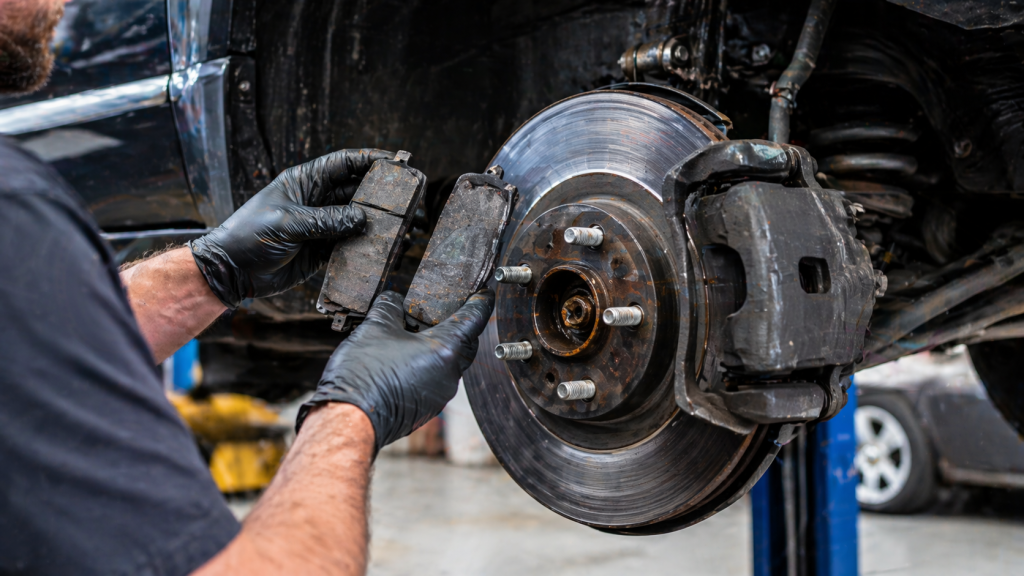
MINI brake service near me is one of the most urgent searches a driver makes. The answer starts with reading the right signals before the brake warning light appears. Some of those signals are obvious. Others are easy to miss until the situation becomes more urgent and more costly. Jacksonville MINI Cooper drivers who know what to watch for are in a better position at every inspection. This breakdown covers how the brake wear system works, what the warning signs look like, and what a complete service at Tom Bush MINI involves. How Does the MINI Cooper Brake Wear Sensor System Work? The MINI Cooper uses an electronic brake pad wear sensor embedded in the brake pad itself. As the pad material wears down, the sensor wire eventually contacts the rotor surface. That contact completes a circuit and triggers the brake warning light on the dashboard. The warning appears while usable pad material still remains. That gives the driver a service window rather than an immediate stop-drive situation. However, that service window is not unlimited. The warning indicates the pad has reached a thickness where replacement should happen within the next few hundred miles. Continuing to drive past that point risks wearing the pad completely through to the metal backing plate. Metal-to-metal contact between the backing plate and the rotor causes rapid rotor damage. That turns a pad replacement into a rotor replacement as well. more The sensor is a single-use component. Once it contacts the rotor and triggers the warning, it requires replacement along with the pads. At Tom Bush MINI in Jacksonville, the service team replaces the sensor as part of every pad replacement. That ensures the warning system is fully functional for the next service cycle. Signs Your MINI Cooper Brake Pads Need Attention Before the Light Appears The brake wear sensor is not the only signal available. Several indicators appear before the warning light activates, and recognizing them early gives Jacksonville drivers more options. A MINI Cooper approaching the end of its pad life communicates that through sound, feel, and appearance. The most common pre-warning signals worth monitoring are: A high-pitched squeal during normal braking is the most recognizable early indicator. Most brake pads include a soft metal wear tab that contacts the rotor as the pad thins. That contact produces a squealing sound intended to prompt a service appointment before the electronic sensor triggers. A grinding noise during braking is a more urgent signal. Grinding indicates that the pad has already worn through to the backing plate, or that debris has lodged between the pad and rotor. Either situation warrants an immediate inspection at Tom Bush MINI rather than a scheduled appointment. Increased brake dust on the front wheels of the MINI Cooper can signal an accelerating wear rate. Front brakes carry most of the braking load and produce more dust as they approach the end of their service life. A sudden increase in dust accumulation on the alloy wheels is worth noting. Beyond sound and appearance, pedal feel also changes as brake components wear. A pedal requiring more travel before the brakes engage, or one that feels soft compared to normal, points toward pad wear or brake fluid degradation. Both warrant an inspection before the next scheduled service. When Do Rotors Need Replacement Alongside the Pads? Rotor evaluation happens at every brake service and is not a separate decision from pad replacement. MINI sets a minimum thickness specification for each rotor. That number defines the thinnest the rotor can safely be machined or worn to. Once a rotor reaches that specification, it no longer has enough material to absorb and dissipate braking heat without warping. At that point, replacement is required regardless of surface appearance. However, a rotor that is still above minimum thickness can still warrant replacement. Heat cycling is the reason. Every time a MINI Cooper brake is applied, the rotor absorbs heat and then cools as the vehicle slows. Repeated heat cycles cause microscopic stress in the rotor metal. Across many miles, that stress produces variations in rotor thickness called lateral runout. A measurement tool reveals this even when the surface looks acceptable. A rotor with significant lateral runout causes brake pulsation, which feels like a rhythmic vibration through the pedal during braking. New pads on a distorted rotor will not resolve pulsation. New pads on a distorted rotor transfer heat unevenly and wear faster than they would on a flat surface. So the rotor evaluation is not an upsell. It is a necessary step toward a brake service that resolves the problem rather than postponing it. How Jacksonville Driving Accelerates Brake Wear on a MINI Cooper Highway miles are easier on brake pads than city miles. On the highway, a driver applies the brakes far less often and relies more on engine deceleration and gradual speed reduction. Each brake application generates heat, and heat is what degrades pad and rotor material across the ownership period. Jacksonville's traffic pattern is the opposite of that. Stop-and-go driving on I-95, Philips Highway, and the beach corridor puts the brakes to work repeatedly across short distances. A MINI Cooper Hardtop in Jacksonville may accumulate brake cycles at two to three times the rate of one driven primarily on highway routes. As a result, a Jacksonville driver who expects 50,000 miles from a set of pads may find them reaching service condition closer to 30,000 miles. The MINI Cooper S adds weight to this equation through its higher power output and the driving style it encourages. Harder acceleration leads to harder braking. The MINI Countryman, with its additional vehicle weight, puts more load on the braking system at every stop. Both models warrant brake inspections at shorter intervals than the base Hardtop in Jacksonville traffic. What to Expect From a MINI Brake Service Near Me at Tom Bush MINI A complete MINI brake service is not the same as a pad replacement. Pad replacement addresses the friction material. A complete service also addresses the components that govern how well those new pads function. At Tom Bush MINI, the brake service process includes evaluation of each component before any parts are replaced. That gives the driver a clear picture of what needs attention and what does not. Several items are part of a thorough brake service. Brake pad replacement with OEM-specified pads and new wear sensors on each serviced axle. Aftermarket pads can fit a MINI Cooper, but OEM-specified pads are matched to the rotor metallurgy and CBS brake wear calculation that MINI programs into the vehicle. Rotor measurement and inspection against MINI minimum thickness specifications, with replacement when measurements fall at or near the limit or when lateral runout is present. Brake caliper inspection to confirm the caliper slides and pistons are moving freely. A seized caliper causes uneven pad wear and accelerates the return to service. Brake fluid condition check, with a moisture content test to confirm whether a fluid flush is appropriate. MINI recommends brake fluid service on the CBS schedule, and Jacksonville humidity accelerates moisture absorption in brake fluid. The cost of a complete brake service at Tom Bush MINI varies by axle and by which components require replacement. A front axle pad and rotor replacement is the most common service combination. The team walks through the inspection findings and explains each item before any work begins. The driver knows exactly what the service covers and why.

MINI Oil Change: Synthetic Oil and BMW Longlife Explained

A MINI oil change is straightforward when the correct oil specification is used and more complicated when it isn't. The specification question comes up at every service interval, and the answer has real consequences for engine longevity. Jacksonville MINI Cooper drivers who know what their engine requires are in a better position at every service appointment. This breakdown covers the BMW Longlife standard, how it maps to specific MINI engines, and what to verify at every service. Why MINI Cooper Oil Specification Is Not Optional Not all synthetic oils are equal. A full synthetic label on a bottle confirms the oil's base stock origin. It says nothing about whether the oil meets the thermal stability, shear resistance, and oxidation thresholds MINI engines require. BMW developed the Longlife specification to define those thresholds precisely. An oil that carries BMW Longlife certification has passed testing for those properties. One that hasn't may still be labeled full synthetic and still fail to protect a MINI engine at operating temperature. In practice, the mechanical consequence of using non-certified oil shows up in two ways. First, oil that lacks the correct shear stability breaks down faster under the pressure and heat of normal engine output. Second, in a turbocharged engine, oil that degrades prematurely leaves the turbocharger bearings without adequate lubrication at high shaft speeds. Neither consequence is immediate or obvious. However, the cumulative effect across multiple non-compliant services accelerates wear in ways that a certified oil would not. more Beyond engine wear, using non-certified oil can also affect warranty coverage. MINI's powertrain warranty requires manufacturer-specified fluids. A dealer inspection that finds evidence of non-compliant oil use has grounds to decline a warranty claim on related components. That risk makes specification compliance a real matter at every service, not just a preference. What Is the BMW Longlife Specification and Which MINI Engines Require It? However, BMW Longlife is a proprietary certification standard, not a marketing term. It defines the minimum thresholds an oil must meet to protect BMW and MINI engines across extended service intervals. The certification covers viscosity stability under shear, high-temperature oxidation resistance, and low-temperature pumpability. It also tests compatibility with catalytic converter and emissions systems. An oil that passes all of those tests earns Longlife approval. One that skips any test does not carry the certification, regardless of how it is marketed. Two primary specifications apply across the MINI lineup. The distinction matters when selecting the correct product: BMW Longlife-01 applies to most naturally aspirated MINI Cooper engines in older model years and select current configurations. It specifies a 5W-30 viscosity and is formulated for engines without a diesel particulate filter. Most base MINI Cooper Hardtop owners in model years prior to the current turbocharged generation will fall under this specification. BMW Longlife-04 applies to turbocharged MINI Cooper S engines and current generation models with direct injection. It also specifies a 5W-30 viscosity but includes additional low-SAPS requirements that protect the catalytic converter and diesel particulate filter components on compatible vehicles. MINI Countryman owners with turbocharged engines should confirm which specification their model year requires. So the model year and engine code on the vehicle determine which specification applies. At Tom Bush MINI in Jacksonville, the service team identifies the correct specification before the service begins. That removes the guesswork entirely. What the CBS Oil Monitor Is Measuring In contrast to a simple mileage counter, the Condition Based Service system in a MINI Cooper does not count miles. Instead, it reads a set of vehicle inputs and calculates an estimated oil quality level in real time. Those inputs include engine temperature cycles, RPM patterns, trip duration, load demand, and elapsed time since the last service reset. The system uses those factors to model how much the oil has degraded from its baseline state. That approach is more precise than a fixed mileage interval because it responds to real driving patterns. However, it also means the CBS monitor's output varies by driver. A Jacksonville driver on frequent short trips at high ambient temperatures will see the oil indicator appear sooner than a driver on longer highway trips. Short trips prevent the engine from reaching full operating temperature. Fuel dilution and moisture then accumulate in the oil without burning off. Still, the CBS system does not distinguish between compliant and non-compliant oil. If non-certified oil was used at the last service, the monitor continues calculating as if the correct oil is in place. The system has no way to detect oil quality at the chemical level. So a MINI that received the wrong oil will show a normal CBS countdown even as the oil degrades faster than the model predicts. That is one reason why oil specification verification matters at every service, not only at the dealer. When to Service Before the CBS Reminder Jacksonville's heat and stop-and-go traffic patterns put more demand on oil than the CBS baseline assumptions account for. Drivers logging significant city miles in summer months may want to check in with Tom Bush MINI before the CBS reminder appears. That is worth doing if the previous service used an oil of unknown specification. A proactive service at a slightly earlier interval costs less than addressing accelerated wear later. What Turbocharged MINI Engines Demand From Oil A turbocharger spins at speeds between 100,000 and 200,000 RPM during normal operation. At those speeds, the bearing that supports the turbo shaft relies entirely on an oil film to prevent metal-to-metal contact. That film must maintain its viscosity and lubrication properties at temperatures that exceed what the rest of the engine sees. When oil degrades or lacks the correct thermal stability, that film thins. At high shaft speeds, a thinned film allows micro-contact between the shaft and bearing surface. That wear compounds with each subsequent heat cycle. By contrast, a naturally aspirated MINI Cooper engine does not impose the same thermal load on its oil. The oil circulates through a lower-pressure, lower-temperature setting and degrades more slowly under normal driving. As a result, non-certified oil causes less immediate wear in a base Hardtop than in a MINI Cooper S. However, neither engine is tolerant of extended intervals or degraded oil. The Cooper S simply shows the consequence faster and more visibly. Furthermore, direct injection adds another variable. In a direct-injection engine, fuel is injected directly into the combustion chamber rather than the intake port. That design raises combustion efficiency but allows more unburned fuel to pass the piston rings and enter the crankcase. That process is called blow-by. Blow-by dilutes the oil across multiple services. An oil with the correct shear stability resists degradation from fuel dilution better than a non-certified product at the same viscosity grade. What Jacksonville MINI Drivers Should Know Before Every Oil Service So knowing the correct specification is the first step. Verifying that the shop used it is the second. At Tom Bush MINI, the specification is confirmed and logged with every service record. That creates a documented compliance trail the vehicle carries forward. At an independent shop, the driver needs to ask directly. Several things are worth confirming before authorizing any MINI oil service. Ask for the oil brand and product name, then verify that it carries BMW Longlife-01 or Longlife-04 certification. Certification is printed on the bottle and is verifiable on the BMW approved lubricants list. A shop that cannot name the specific product or certification is not a reliable choice for a MINI service. Confirm the viscosity grade matches the specification for the model year and engine. For most current MINI Cooper and MINI Cooper S models, the correct viscosity is 5W-30. Using a 5W-40 or 0W-40 that is not BMW-certified does not substitute for the correct specification, even if the viscosity appears similar. Ask whether the CBS system will be reset after the service. A service that does not include a CBS reset leaves the monitor running on incorrect data, which shifts the next service interval calculation. The cost difference between a certified oil service at Tom Bush MINI and a non-certified service at a quick lube shop is smaller than most drivers expect. The cost of accelerated turbocharger wear or a declined warranty claim is not.

How Long Does a MINI Cooper Last? Mileage and Ownership Costs

How many miles a MINI Cooper lasts comes down to one thing more than any other: how well it was serviced. That answer surprises some drivers who assume longevity is mostly about the car itself. However, the maintenance record tells more about a MINI's future than its age or odometer reading. Jacksonville drivers asking the question before a purchase or mid-ownership are asking the right one. This breakdown covers what the mileage ceiling looks like, what drives it, and what ownership costs across the ownership period. How Far Can a Well-Maintained MINI Cooper Go? A MINI Cooper that follows the manufacturer maintenance schedule can reach 150,000 to 200,000 miles. That ceiling is not unusual for drivers who treat service intervals as non-negotiable rather than optional. However, a MINI that missed oil changes, skipped coolant flushes, or went years between inspections hits a lower ceiling. High mileage for a MINI Cooper starts around 100,000 miles in how most sellers and shoppers evaluate used examples. That number reflects the point where deferred maintenance becomes visible in the vehicle's history. Still, 100,000 miles on a well-documented MINI Cooper with a clean service record is a stronger position than 60,000 miles on one with gaps. The odometer reading alone does not tell the full story. more The MINI Cooper S adds a turbocharged engine to the equation. Turbo engines run hotter and put more demand on oil quality. As a result, a MINI Cooper S with oil service at the correct interval will hold up well past 100,000 miles. One run on degraded oil will show wear in the turbocharger bearings and piston rings earlier than a base Hardtop. The model matters, but the service history matters more. What the MINI Maintenance Schedule Is Doing MINI uses a Condition Based Service system, called CBS, to monitor vehicle data and alert the driver when service is due. The system tracks oil quality, brake wear, coolant condition, and other inputs. It then displays a service reminder when each item reaches a threshold. That approach is more precise than a fixed mileage interval because it responds to real driving patterns. The CBS system does not eliminate the need for owner awareness. In stop-and-go Jacksonville traffic, short trips, and hot weather driving, oil degrades faster than the system's baseline assumptions account for. Moreover, some drivers see the CBS reminder and delay the appointment by weeks or months. Each delay is cumulative. A turbocharged engine running on oil past its service point loses lubrication film at high temperatures. That accelerates wear in the bearings and turbo shaft. Oil type also matters directly. MINI specifies a full synthetic oil meeting BMW Longlife standards. Using a conventional oil or a synthetic that does not meet the Longlife specification shortens the effective protection window. At Tom Bush MINI in Jacksonville, the service team uses manufacturer-specified oil on every visit. That removes the variable entirely. Coolant and Brake Fluid Intervals Two other CBS items deserve attention beyond oil. Coolant in a MINI Cooper degrades across the ownership period and loses its ability to prevent corrosion inside the cooling system. MINI recommends coolant replacement on a specific cycle, and Jacksonville's heat accelerates that degradation. A cooling system running on old coolant is more prone to water pump and thermostat issues. Brake fluid absorbs moisture and raises the boiling point threshold, which matters most during heavy or repeated braking. Following the CBS schedule for both keeps each system working as intended. The Components Jacksonville MINI Owners Should Watch at Higher Mileage As a MINI Cooper accumulates miles, certain components receive more attention from owners and technicians. Knowing which ones and at what mileage stage helps drivers plan rather than react. Jacksonville's heat and humidity add additional demand on rubber components, seals, and the cooling circuit compared to cooler climates. That context matters when setting a service priority list. At 30,000 to 60,000 miles, the focus is on brake pads, cabin air filter, and spark plugs on non-S models. The cooling system hoses and serpentine belt also warrant a visual inspection at this stage to catch early cracking from heat exposure. At 60,000 to 100,000 miles, the timing chain tensioner and water pump become relevant inspection points on higher-mileage MINI Cooper S examples. The MINI Countryman in this range warrants a transfer case fluid check if equipped with all-wheel drive. Beyond 100,000 miles, valve cover gaskets and thermostat housing seals are the most common service items on turbocharged variants. These are standard wear items at this mileage stage and are not indicators of a failing car. They are part of a normal ownership cost structure. Regular inspection at Tom Bush MINI allows the service team to identify which of these items are approaching their service point before they cause a larger issue. That approach reduces both surprise costs and downtime. What MINI Cooper Ownership Costs Look Like Year to Year Ownership cost is where MINI Coopers differ most clearly from economy cars in the same size segment. MINI parts and labor are priced at the European import level, not the domestic compact car level. A driver who buys a MINI expecting Civic-level service costs will find the comparison unfavorable. However, a driver who plans for MINI-specific service costs and follows the schedule will find the total manageable over a multi-year period. The cost structure by service stage looks like this: Annual maintenance in the first three years on a new MINI runs between $300 and $600 per year when factoring oil service, brake fluid, and cabin filter. Many new MINI purchases include a complimentary scheduled maintenance package that covers this stage. From three to six years or roughly 40,000 to 75,000 miles, annual service costs move toward $600 to $1,200 depending on what the CBS system flags and whether any wear items need replacement. Beyond 75,000 miles, the annual range widens. A MINI Cooper that has been reliably serviced will sit toward the lower end. One with deferred maintenance or a repaired turbo will sit toward the higher end. Budgeting $1,000 to $1,800 annually at this stage gives most owners a realistic planning number. Repair costs on specific items vary by model and trim. A turbocharger replacement on a MINI Cooper S is a significant service event. However, that cost is rare on engines that received oil service at the correct interval with the correct oil specification. How to Keep a MINI Cooper Running Well Past 100,000 Miles The path to a high-mileage MINI Cooper is straightforward. Follow the CBS service reminders without delay. Use only manufacturer-specified synthetic oil. Address warning lights promptly rather than waiting for the next scheduled service. Keep the cooling system on its prescribed maintenance cycle. These steps do not require unusual effort. They require reliability. Jacksonville drivers who maintain their MINI Cooper at Tom Bush MINI build a documented service history that supports reliability and resale value. A complete Tom Bush MINI service record makes a stronger used vehicle than a mix of receipts from various shops. That record tells the next owner, or the current one evaluating a trade, exactly how the car was treated. The MINI Cooper was built to go the distance. Giving it the service it needs is the part that remains in the driver's hands.

MINI Warning Lights Guide: Check Engine and Dashboard Symbols Explained

This MINI warning lights guide explains how dashboard symbols, check engine alerts, and drivetrain warnings communicate problems inside the vehicle before larger failures develop. Modern MINI models continuously monitor engine operation, braking systems, tire pressure, electrical charging activity, emissions output, steering input, and module communication through dozens of sensors and electronic control units working together simultaneously. When one system detects readings outside acceptable operating thresholds, the dashboard alerts the driver through warning lights prioritized by urgency level. Understanding how those warnings work helps drivers respond appropriately instead of ignoring faults, resetting alerts blindly, or assuming every dashboard light signals catastrophic repair costs. MINI Dashboard Warning Colors Indicate Fault Priority Dashboard warning lights are grouped by urgency so the driver can quickly understand how serious the issue may be. MINI uses different colors because not every fault requires the same response timing. Green and blue indicators usually confirm normal feature operation such as headlights, cruise control activation, or driving assistance functions. Yellow and amber alerts indicate faults or maintenance concerns requiring attention soon. Red warning lights signal issues that may require immediate shutdown or inspection before continued driving. This prioritization structure exists because modern vehicles monitor hundreds of operating parameters simultaneously. MINI electronic modules constantly compare live sensor data against programmed thresholds for temperature, voltage, fuel mixture, wheel speed, engine timing, and braking activity. Yellow and red warnings commonly monitor: more • engine management faults • charging system voltage • brake wear sensors • oil pressure levels • tire pressure readings • traction and stability activity A yellow warning light does not always mean immediate danger, though it still indicates the vehicle detected abnormal operation requiring inspection. Red warnings carry higher urgency because they usually involve safety systems, overheating risks, lubrication loss, or charging failures that could damage major components if ignored. That distinction matters because drivers sometimes continue operating vehicles with severe warnings after assuming all dashboard lights function identically. Why Is My MINI Check Engine Light Flashing? The check engine light monitors engine operation, fuel delivery, ignition timing, emissions output, turbocharger operation, airflow calculations, and combustion quality. MINI stores diagnostic trouble codes whenever operating values exceed acceptable thresholds programmed into the engine management system. A solid check engine light usually indicates the vehicle detected a fault r equiring service soon, though continued driving may still remain possible temporarily depending on drivability symptoms. A flashing check engine light carries far greater urgency. A flashing alert usually indicates active engine misfires severe enough to risk catalytic converter damage. Engine misfires occur when combustion fails inside one or more cylinders. Unburned fuel then enters the exhaust system where catalytic converter temperatures rise dramatically during combustion cleanup attempts. Common causes behind MINI check engine alerts include: • ignition coil failures • spark plug wear • boost pressure leaks • oxygen sensor faults • fuel delivery irregularities • intake air leaks Turbocharged MINI engines rely heavily on precise fuel and ignition calculations. Small airflow irregularities or ignition timing issues can quickly trigger fault monitoring thresholds inside the engine control module. This is why warning lights sometimes appear before drivers notice major drivability symptoms themselves. The vehicle monitoring architecture may detect abnormal combustion patterns long before engine operation feels obviously different behind the wheel. Brake, Tire Pressure, and Drivetrain Alerts Depend on Sensor Communication MINI warning indicators extend far beyond engine operation. Brake systems, wheel speed sensors, steering modules, drivetrain controls, and tire pressure monitoring systems continuously exchange information across the vehicle network architecture. Brake wear alerts activate through embedded wear sensors mounted near the brake pads. As pad material wears down, the sensor circuit eventually contacts the brake rotor surface and changes electrical resistance values. The vehicle then stores the brake wear warning and alerts the driver before metal to metal contact develops. Tire pressure monitoring systems work differently. Some MINI models monitor direct air pressure through wheel mounted sensors, while others calculate pressure loss indirectly through wheel speed differences. Underinflated tires rotate differently compared with properly inflated tires, allowing the system to detect abnormal rolling behavior. Drivetrain malfunction warnings carry broader diagnostic complexity because multiple systems may contribute simultaneously. Potential drivetrain related faults may involve: • turbocharger boost regulation • electronic throttle operation • transmission communication • ignition timing irregularities • traction control interaction • sensor communication interruptions Some drivetrain alerts appear intermittently because electronic faults do not always remain active continuously. Heat, vibration, moisture intrusion, voltage fluctuations, or unstable sensor readings may trigger warnings temporarily before conditions normalize again. That does not mean the problem disappeared. The vehicle still stores fault history even after the warning light turns off. MINI Diagnostics Read Stored Fault Data and Live Sensor Activity Why do warning lights return after reset attempts? Dashboard alerts return because clearing the light does not remove the underlying fault condition. MINI stores diagnostic trouble codes inside onboard control modules that continuously monitor operating data. Diagnostic scan tools communicate with those modules directly through the onboard diagnostic interface. Technicians then analyze stored fault history, live sensor readings, freeze frame operating data, and communication activity between modules. MINI diagnostics commonly evaluate: • stored engine fault codes • live sensor voltage readings • fuel trim calculations • wheel speed activity • charging system voltage • turbocharger boost readings Stored freeze frame data becomes extremely important during intermittent faults. When the warning first appeared, the vehicle recorded engine speed, throttle position, coolant temperature, fuel mixture values, and operating conditions present during the fault event. This allows technicians to recreate operating situations tied to the original malfunction instead of replacing components through guesswork alone. MINI electronic architecture also uses CAN bus communication, allowing multiple modules to exchange information continuously. A warning light may therefore originate from communication loss between systems instead of a single failed component directly. That complexity explains why professional diagnostics involve much more than reading one stored code description from a generic scan tool. What Drivers Should Evaluate Before Ignoring Dashboard Warnings Not every warning light means catastrophic repair costs, though ignoring alerts creates larger risks when early faults escalate into mechanical damage later. The safest response depends on warning color, drivability symptoms, temperature readings, charging behavior, and whether the light flashes or remains steady. Drivers should evaluate: • warning light color • flashing versus solid alerts • unusual noises or vibration • power reduction symptoms • overheating indications • charging system irregularities • braking feel changes Resetting warning lights without correcting the fault may temporarily hide symptoms while the underlying issue continues developing. Intermittent warnings still matter because the vehicle already detected operating values outside acceptable limits. This MINI warning lights guide exists to clarify what dashboard alerts are monitoring, how MINI electronic architecture communicates faults, and why diagnostic testing matters before assuming every warning requires either panic or dismissal. Understanding how these systems work gives drivers a much stronger foundation for responding appropriately when dashboard alerts appear unexpectedly.

OEM vs Aftermarket MINI Parts: What Jacksonville Owners Should Know About Long Term Value

Small car. Big decisions. When it comes to replacing parts on your MINI, the choice between OEM and aftermarket is not just about price. It is about how your MINI is designed to work and how each component fits into that experience. Every MINI is built with intention, where compact engineering meets precise performance. The parts you choose directly affect how that system behaves over time. Understanding the difference is what turns a simple repair into a smarter ownership decision. Is it better to use OEM or aftermarket MINI parts OEM MINI parts are components built to match the exact specifications of your MINI’s original design. These parts are engineered to fit, function, and perform exactly as intended within the vehicle’s system. MINI designs each component with tight tolerances. That means every part is shaped, measured, and tested to align with how the vehicle operates as a complete system. From engine components to sensors and braking systems, OEM parts are created to work in sync with MINI’s engineering. This system level approach means: more Parts fit exactly without modification Components interact correctly with onboard systems Performance remains consistent with original design When you install an OEM MINI part, you are not just replacing a component. You are maintaining how the vehicle was designed to drive. For Jacksonville drivers navigating city traffic, stop and go conditions, and coastal humidity, this consistency matters. It keeps your MINI feeling responsive, efficient, and reliable in everyday driving. Are aftermarket MINI parts worth it Aftermarket MINI parts are produced by third party manufacturers and are not built specifically to MINI’s exact engineering standards. This means quality, fitment, and performance can vary depending on the manufacturer. Some aftermarket parts aim to replicate OEM specifications, while others prioritize cost savings. This variation creates a range of outcomes. From a system perspective: Materials may differ from OEM standards Fitment may not be exact Performance may vary under real driving conditions Because MINI vehicles rely on precise engineering, even small differences can influence how the system behaves. A component that does not align perfectly can affect performance, wear patterns, or system communication. This does not mean all aftermarket parts are low quality. It means the consistency is not guaranteed in the same way OEM parts are. For MINI owners, the key question is not whether aftermarket parts are cheaper. It is whether they maintain the experience your MINI was designed to deliver. How part choice impacts long term performance Part selection directly affects how your MINI performs over time because every component contributes to the overall system. MINI vehicles are engineered to feel agile, connected, and responsive. That experience depends on each part working within its intended parameters. OEM parts support long term performance by: Maintaining precise fitment and alignment Using materials designed for MINI driving conditions Supporting consistent interaction with vehicle systems When aftermarket parts are introduced, performance can vary depending on how closely they match these standards. Potential long term impacts include: Increased wear if materials differ from original specifications Changes in driving feel due to altered system response Reduced efficiency if components do not perform consistently These differences often appear gradually. A part may function initially but behave differently as it experiences heat, stress, and repeated use. For Jacksonville drivers, where humidity and temperature can influence component wear, maintaining consistent performance becomes even more important. The right part choice helps preserve how your MINI handles daily driving conditions. Are OEM MINI parts worth the higher cost OEM MINI parts typically cost more upfront because they are designed, tested, and manufactured to match the vehicle’s original engineering. This cost reflects the level of precision and consistency built into each component. The value of OEM parts becomes clearer when viewed over time. When evaluating cost, consider: How long the part is expected to last How it affects surrounding components Whether it maintains overall vehicle performance OEM parts often reduce variability. This can mean fewer unexpected issues, more predictable maintenance, and a driving experience that remains consistent. Aftermarket parts may offer lower upfront pricing, but variability can introduce additional costs if performance is inconsistent or components wear differently. For MINI owners, the decision is not just about saving money today. It is about preserving how the vehicle performs over time. Choosing OEM parts supports the way your MINI was built to move. It keeps that go kart like feeling intact, ensuring every drive still feels like it was designed to be.

MINI Maintenance

Your MINI Maintenance Schedule Explained

MINIs are fun to drive and very reliable, making them great for around town or the highway. Your vehicle has a specific MINI maintenance schedule based on its year and engine to help it stay running great. However, there are some general rules and guidelines you should follow for optimal performance over time. The service center staff at Tom Bush MINI in Jacksonville, FL, will ensure that your car receives the needed service on schedule. All new MINIs come with a computerized maintenance monitor. The MINI Integrated Maintenance System tracks the quality and levels of important engine fluids and systems and alerts you when they need attention. This is great for people who tend to forget about scheduling a service appointment. It also provides a more accurate system of providing optimal recommendations based on driving habits and conditions. As a general rule, you will probably need to schedule a service every 7,500 miles or so. If you don't drive that much in a year, an annual appointment can help ensure that fluids are fresh and air filters are clean. MINI recommends changing air filters and spark plugs based on the number of engine oil changes you have. Service on All-Electric MINIs Electric vehicles have minimal regular maintenance needs. They do not have oil, spark plugs, or standard transmissions. That's why the all-electric Countryman SE ALL4 has very different maintenance requirements than its gas-powered counterparts. Your main focus for scheduled maintenance on a MINI EV is rotating, inspecting, and keeping its tires at the recommended pressure. This will help them last longer and wear better, which translates into better control in slick conditions. MINI's Complimentary Maintenance Program more MINI stands behind its cars. The company offers free regular scheduled maintenance on all new MINI vehicles for three years or 36,000 miles. The package includes regular inspections and servicing of: Engine oil Brake fluids Engine air filter Cabin air filter Tips for Top Performance Regular maintenance is one of the most important things you can do to keep your new car running great for many years. There are also lots of steps you can take at home between service appointments. Keeping a close eye on fluids and other things can help you catch problems early, before they cause permanent damage. Try to top off your washer fluid regularly, especially if you live somewhere with frequent rain or lots of insects. Additionally, every driver should check the following items weekly for top results: Coolant levels Engine oil Tire pressure Tire wear patterns MINIs are versatile vehicles that come equipped with an Integrated MINI Maintenance System to alert you of needed service items. For best results and to participate in the complimentary maintenance program, you should schedule service appointments at a qualified dealership. Schedule a service appointment at Tom Bush MINI in Jacksonville, FL, today.

MINI car side mirror accessory in black in Jacksonville, FL

Exploring the Customization Options with MINI Accessories

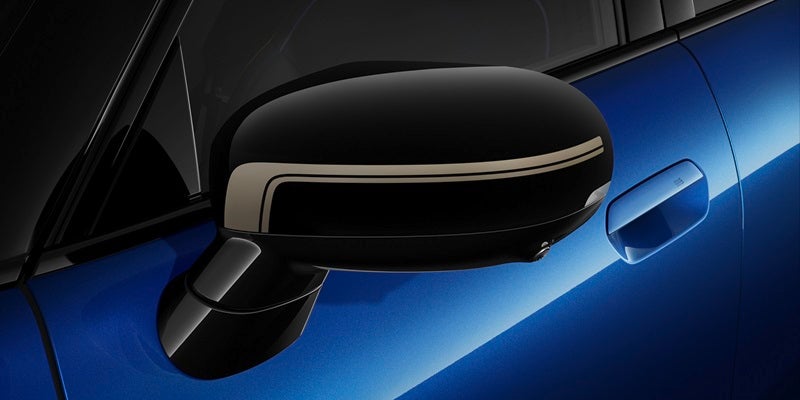
Owning an iconic British MINI is already a fine statement of character and style. You can further personalize your MINI with a whole range of practical, high-quality, attractive MINI accessories. Here are a few great examples. Personalize Your Drive: The Best MINI Accessories to Customize Your Ride Black LED Driving Lights Brighten the road ahead at night with subtle yet powerful black-framed LED lights that fit neatly and work alongside your existing high beams. These additional lights not only keep you safer after dark but also grant a sportier image to your MINI. They're independently controlled with a discrete, separate on/off switch. Vibrant Silver Bonnet Decals A long-standing tradition of MINI drivers is to personalize their cars with fun, elegant, charming decals: a kind of decorative graphic on the bodywork. These decals are easily reversible so you can experiment with different looks. Stylized Mirror Caps These super-cool mirror caps put a playful yet subtle black and gray Union Jack pattern on the backs of your side view mirrors. Another design choice has a sleek pale silver line running across the mirror's back in alignment with the contours of your MINI's bodywork. more License Plate Frame You can tidy up the rims of your license plates with these classy black metal frames. There are several frame options, some with an extra detail that sits beneath the plate like a Union Jack or the name of your model. Stylized Valve Stem Caps MINI knows that true style requires attention to the smallest detail. With MINI's range of trendy valve stem caps, your wheels have that perfect last touch, like choosing the right buttons on a good tailored dress shirt. Carpeted Floor Mats The popular loop-style original MINI carpeted floor mats look amazing and have sewn piping plus a prominent MINI logo. For the driver's footwell, a clever non-slip heel pad is there for extra firmness in your pedal work. For any passengers who want to remove their shoes on longer trips, the soft carpeting feels really comfy. Elegant Sunshade Keep your MINI's interior cooler on sunny days with an attractive, easy-to-use sunshade designed to fit your MINI's windshield perfectly. With a silver color and elegant MINI logo, this sunshade saves your AC from excessive strain, thereby improving your gas mileage, while preventing the sun's UV rays from fading your dash and seating upholstery. All-Weather Cargo Area Mat MINI's fitted luggage compartment mats protect the floor and sides from dirt, mud, and spills. They're lightweight and easy to remove for cleaning before sliding back into place, and they add a certain neat refinement to the cargo area. With a few well-selected accessories like these, we can give your MINI a tailored flair that suits your personality and driving needs. Come to Tom Bush MINI in Jacksonville, FL, to browse many more options.

MINI Cooper Electric driving on the highway

MINI Cooper Electric Maintenance: Keeping Your EV Running Smoothly

Fully electric vehicles are appealing for several reasons, such as reducing your personal carbon footprint and saving money on gas. Driving a MINI Cooper EV is also beneficial to your wallet since your EV requires fewer maintenance and repair costs. Learn about the recommended MINI electric maintenance schedule to ensure your MINI is ready for the road. more MINI Electric Maintenance: Keeping Your MINI Cooper EV Running Smoothly Your EV is built without certain mechanical components, such as a gas engine, exhaust system, catalytic converter, or timing belt. In a traditional gas vehicle, all of these parts will require routine maintenance at least once or twice a year to replace motor oil, check spark plugs, or tune up the engine. However, while your EV does not have these specific components, it does require routine maintenance for wear and tear, battery health, and more. Wear-and-Tear Parts Your MINI EV will need to have air filters, exterior light bulbs, windshield wipers, and various fluids replaced every once in a while to ensure all vehicle components are operating correctly. The frequency of your wear-and-tear replacements will depend on how often you drive your vehicle, your driving environment, weather factors, and more. Your tires are one wear-and-tear part that will require regular maintenance. While you can expect your tires to last for about 30,000 miles on average, you will still need to schedule routine tire rotations at least once every six months of 7,500 miles, depending on how much you drive. Tire rotations ensure that the treat on all four tires is wearing down evenly, which supports safe handling and energy-efficient travel. Brake System Your EV has a complex brake system that consists of regular brake pads, rotors, brake fluid, and a regenerative braking system. Your traditional brake system should be checked routinely to make sure your brake pads aren't wearing too thin and that your vehicle has enough brake fluid to support emergency braking maneuvers. The regenerative braking system should also be checked to ensure kinetic energy is recharging the battery efficiently. Drive Battery The heart of your MINI EV is the drive battery, which is responsible for storing the energy required to travel the total electric range for your vehicle and perform other vehicle functions. It's a good idea to schedule a battery health check at least once a year to assess how well your battery is holding a charge. Much of the time, your EV battery will last for at least eight years before it needs to be replaced. It's important to schedule routine service for your EV's critical components to make sure your MINI Cooper EV is ready for daily travel and long trips. Contact Tom Bush MINI in Jacksonville, FL to schedule EV service today.

Ignition Coil

8 Signs of a Faulty Ignition Coil

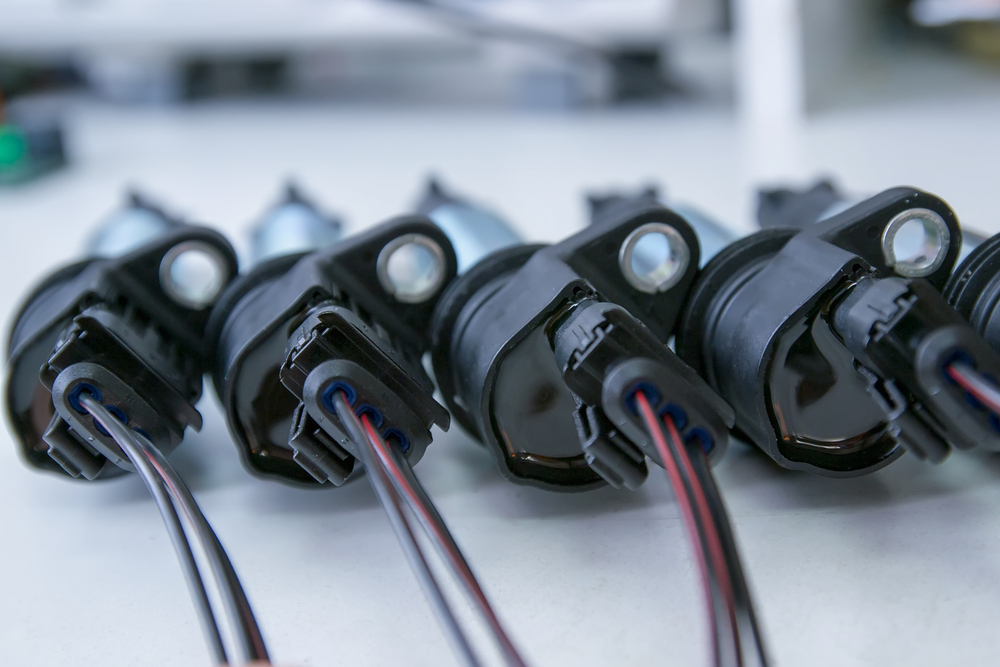
The ignition coil plays a vital yet unseen role in your MINI's startup and performance by firing the spark plugs. As one of the key components inside the distributor or coil packs, a faulty coil can lead to frustrating issues. It's important to understand the signs that this important part may need servicing by the experienced technicians at your MINI dealer. 8 Signs of a Faulty Ignition Coil 1. Hesitation or Misfires One of the first signs is hesitation, stalling, or misfires upon acceleration. This occurs as a failing coil struggles to generate a strong enough spark for proper combustion in each cylinder. You may also notice rough idling. more 2. Low Fuel Economy Misfires and hesitation from a faulty coil result in unburned fuel passing through the exhaust. This wasted fuel means lower fuel economy at the pump over time. Pay attention to rapidly decreasing mpg. 3. Diagnostic Trouble Codes Your MINI's onboard diagnostic system is uniquely capable of detecting problems with individual coils and generating diagnostic trouble codes corresponding to the specific coil circuit. Have any ignition-related codes checked by the expert technicians at your local MINI dealer. 4. Deteriorating Spark Plug Performance Over time, the weak spark from a failing coil can cause spark plugs to wear out prematurely. Plugs may look wet, oily, or burned at an accelerated rate. Replacing worn plugs may not resolve issues if the underlying coil is faulty. 5. Engine Knock or Pinging Sounds Weak sparking can sometimes allow fuel to auto-ignite outside of the engine's timed ignition window, producing audible pinging or knock. This damaged engine components over the long haul if left unresolved. 6. Hard Starting When trying to start a vehicle with a bad coil, the starter may crank the engine for longer than usual before it catches. This is because weak sparking can't fully ignite the air-fuel mixture on the initial cranking attempts. It takes extra time for combustion and the engine to stabilize. Hard starting is more prevalent in colder weather. 7. Check Engine Light The check engine light will eventually illuminate most modern vehicles with coil failure. Advanced engine diagnostics detect misfires and store diagnostic trouble codes pointing to problems in the primary or secondary ignition circuits. Trust Dash lights as another clear sign for further inspection. 8. Occasional Mild Energy Surge In rare cases, a faulty coil may produce an unusually strong spark, potentially causing a momentary energy surge felt through the vehicle. However, surging is not a very common symptom of a coil pack issue. Replacing faulty coils identified by auto diagnostic tools can restore proper sparking and help prevent escalating repairs down the road. Visit us today at Tom Bush MINI in Jacksonville, FL, for a coil check. Our factory-trained technicians can diagnose ignition problems and ensure your MINI's coil packs are in good working order to avoid future misfires.

Does Your MINI Need a New Oil Filter

Does Your MINI Need a New Oil Filter?

Is your MINI's engine not as responsive as usual? The source of your engine troubles might be a clogged, worn-out, or dirty oil filter. Look out for signs of filter issues and visit your local MINI dealer to get a new one. Does Your MINI Need a New Oil Filter? Visit Your MINI Dealer Today Dark or Dirty Oil on the Dipstick After miles of driving, debris accumulates in your MINI's filter, preventing it from catching all contaminants in the oil. Many unwanted contaminants then circulate in the engine oil, causing it to look dark and dirty on the dipstick. You may also notice a sludgy buildup in the oil. These are signs that you should replace the filter and change your oil to allow proper lubrication in the engine. more Dropping Oil Pressure Gauge Your filter does a good job of trapping debris and preventing it from circulating in the oil. But over time, contaminants build up in the filter, preventing oil from flowing freely through it. This reduces the pressure of the oil circulating in the system. Low oil levels leave the engine vulnerable to excess friction, overheating, and premature wear. Declining Engine Performance If you notice poor acceleration or spluttering when the vehicle is running, it is time to get a new filter. These problems occur when carbon deposits and other debris contaminate the oil, preventing it from lubricating the engine components. This causes overheating, which forces the engine to work harder to provide power. Replace the clogged filter with one that can trap all the contaminants in the oil to allow proper performance. Reduced Fuel Economy If your filter is blocked or worn out, your engine will struggle to run optimally. This may cause it to burn more fuel to provide adequate power. Swapping in a new, clean filter can quickly restore proper lubrication, so your MINI's engine doesn't have to work as hard. Change the oil as well to prevent the degraded oil from clogging your new filter. Grinding Noises Grinding noises under the hood could be caused by various issues, including a bad filter. If your filter isn't trapping all the contaminants effectively, it allows dirty oil to flow through the engine. Degraded oil cannot properly lubricate the engine, so there will be increased friction between the components. This will cause grinding sounds when the engine is running. Black Exhaust Fumes Excessive black smoke coming from your tailpipe is a sign that oil is being burned in the combustion chamber. This can happen if you have a clogged filter that prevents oil from flowing and coating the engine components. Piston rings wear out due to friction and excess heat, causing oil to seep into the chamber. The oil gets burned and releases hydrocarbons, leading to black exhaust fumes. Your filter plays a key role in optimizing your engine's overall health, so replace it if you notice these signs. Swing by Tom Bush MINI to replace your filter and change your engine oil.

oil-change-hero

How Long Has It Been Since Your MINI's Last Oil Change?

All car engines need high-quality motor oil to lubricate the moving parts and help reduce wear and tear. If your motor oil starts to thicken, degrade, leak, or reduce in volume, your engine will rapidly run into trouble. Routinely having your oil refreshed helps to make sure you avoid expensive engine repair jobs. Let's take a look at how often you should visit your local MINI dealer for an oil change. How Long Has It Been Since Your MINI's Last Oil Change? Every Six Months Is a Good Rule of Thumb Most drivers should change their motor oil every 7,500 to 10,000 miles. Once every six months usually ensures that most drivers don't accidentally leave it for longer than 7,500 miles. If you have your oil refreshed twice a year, you can also conveniently coincide it with other important maintenance, such as rotating your tires and having the brakes serviced. more Consider Your Regular Driving Conditions Some driving conditions cause motor oil to wear down faster. If you think you might be putting your engine and oil through more severe driving conditions, it's best to have your oil refreshed more frequently, perhaps three or four times a year. Severe driving conditions include regular short trips of under five miles, which doesn't really give the oil time to warm up and lubricate properly. Commutes in heavy stop-and-go traffic can also cause motor oil to degrade more rapidly, as can driving for long distances at relatively low speeds. Towing trailers and carrying heavy loads can also put additional strain on an engine. And using particularly dirty, dusty, sandy roads can cause motor oil to fill with contaminants and thicken prematurely. Set Up a Routine Schedule at Your Local MINI Dealer It's a good idea to consult with a trusted technician at your local dealership. That way, you can set up an optimal schedule for changing your oil that takes your personal driving conditions into account. You'll then have a regular routine to stick to, with automatic reminders from your dealership should you forget about an upcoming visit. Take Your Powertrain Warranty Into Account It's also worth taking any valid warranties into account. Powertrain warranties usually demand regular oil servicing to stay valid. So if you wish to keep your warranty from voiding, look up the stipulated oil servicing schedule and stick to it. The fact that warranties require frequent changes of the motor oil further emphasizes how important fresh oil is to keep a car's engine in tip-top condition. Have your motor oil refreshed today by courteous, experienced technicians at Tom Bush MINI. We're an award-winning community-focused local dealership that's been serving the region's MINI drivers with excellent vehicles, maintenance, repairs, and customer service for over two decades.

Contact Us

Fill out this form below and we'll contact you shortly
*Required Fields