Blog / Jacksonville MINI Service

Blog

All Jacksonville MINI Service Jacksonville MINI Dealer Tom Bush MINI Things To Do In Jacksonville Tom Bush MINI Service Jacksonville Entertainment Jacksonville Amenities Jacksonville Used Cars Jacksonville Eateries Fun in Jacksonville Jacksonville Restaurants Tom Bush Family of Dealerships Jacksonville Kid Friendly Activities Jacksonville Parks Car Necessities MINI Financing Tom Bush MINI Finance Jacksonville Foodies Jacksonville Auto Finance Jacksonville Collision Center MINI Warranty Tom Bush MINI Collision Jacksonville Weddings Things To Do Near Jacksonville Booklovers Jacksonville Brunch Jacksonville Traveling MINI Lease Deals Jacksonville Small Town Fun Stress Free
model-1380589_1280

Engine Misfiring? Visit Your MINI Dealer

Have you ever been driving your MINI and noticed it starting to shudder or jerk unexpectedly? If your car seems to be hiccuping on the road, you might be dealing with engine misfiring. There are a few different reasons that your engine might be misbehaving this way, but a trip to your MINI dealer can help take care of it. Understanding Engine Misfiring An engine misfire occurs when one or more of the engine's cylinders fail to fire correctly, leading to a lack of power, decreased fuel efficiency, and shaky driving. Ignoring these signs can lead to even more severe issues, so it's important to get it fixed right away. Unfortunately, it can be tricky to diagnose the cause of your engine problems at home, but the experts at the dealership can track down the cause in no time. more Ignition System Issues One of the most common causes of misfires is a problem with your spark plugs or ignition system. Spark plugs are crucial pieces of your car, igniting the fuel and air mixture in the cylinders. Faulty spark plugs, a malfunctioning coil pack, or issues with the ignition wires can all lead to misfires. Your local dealer can quickly diagnose and fix these issues, ensuring your ignition system functions correctly. Fuel System Malfunctions The engine must receive the correct amount of fuel to function properly. A clogged fuel injector, a faulty fuel pump, or issues with the fuel pressure regulator can disrupt this balance, leading to those pesky misfires. Air Intake System Problems A well-functioning air intake system ensures that the engine receives the right amount of air. A dirty air filter or a malfunctioning mass air flow sensor can lead to an imbalanced air-fuel mixture and cause misfires. Compression Issues Issues with the engine's compression, such as problems with the pistons, cylinder walls, or head gasket, can also lead to misfires. Any of these are significant issues that require professional attention. Vacuum Leak If your car has been acting a bit jittery, a vacuum leak might be the culprit. Your car relies on a balance of air and fuel to run smoothly. When there's a vacuum leak, it means extra air is sneaking into the engine that isn't supposed to be there. With too much air and not enough fuel, it's no wonder your car is misbehaving! Get Help at Your MINI Dealer Diagnosing and fixing a misfiring engine is not a good choice for the DIY mechanic. The experts at the dealership have the training, tools, and experience to find the source of the problem and get your engine running smoothly again in no time. If your MINI's engine has been misfiring, you shouldn't wait to seek professional help. Maintain your car's performance and get your peace of mind back. Schedule service at Tom Bush MINI today to keep your vehicle running at its best.


gas-99076_1280

What Should You Do If You Smell Gasoline in Your MINI Car?

All proud MINI owners know that these compact cars offer not only style and performance but also a fun driving experience. However, like any vehicle, MINIs can encounter issues from time to time. If you notice your car smells like gas, it could be an emergency. If not, it might still be an issue you need to take to your MINI dealer. Never Ignore It If Your Car Smells Like Gas Gasoline has a distinctive, pungent odor, and it's hard to mistake. If you smell it inside your car, there's a reason for it. While you might be tempted to just keep going, there's a chance that the smell is a sign of something serious. That means you need to take it seriously. Pull Over in a Safe Place If you detect a strong smell of gasoline in your MINI, the first thing to do is to pull over in a safe location away from traffic. Once you do, turn off the engine immediately. Gasoline is highly flammable, and driving with a fuel leak could be extremely dangerous. more Identify the Source Once you've pulled over and turned off the engine, take a moment to identify the source of the smell. Here are a few common areas to check: 1. Fuel Cap Sometimes, a loose or improperly sealed fuel cap can allow gasoline vapors to escape. Check the fuel cap to make sure it's securely tightened. 2. Fuel Lines Inspect the fuel lines and connections under the hood. Look for any visible leaks or signs of damage. 3. Fuel Tank While this is less common, a damaged fuel tank can also be the source of the small. Check for any visible signs of damage or leaks from the fuel tank. Go to Your MINI Dealer for Help If you can't identify where the smell is coming from, or you suspect a problem you can't fix, it's time to call for help. Do not try to drive your car. Instead, contact your insurance company for help getting your car to the nearest service center. Be sure to explain the situation and mention that you smell gasoline. Avoid Smoking or Open Flames While you wait for assistance, be careful not to smoke near your car. Avoid any open flames. Gasoline fumes are highly flammable and can pose a serious fire hazard. Keep a safe distance away, and make sure any passengers do the same. A gasoline smell inside your MINI should never be taken lightly. It's a sign that something might be wrong with your fuel system. While it's possible that the smell is due to a minor issue, there's a chance that it's something serious instead. Always pull over and turn off the engine before you investigate. When in doubt, seek assistance from our technicians at Tom Bush MINI to make sure your car is running safely.

What does it mean

What Does It Mean When Your Car's Check Engine Light Turns On?

When the check engine light comes alive on your dashboard, it's best not to ignore it. This warning light means the sensors inside your car have picked up on a problem related to your engine. Most of the time, the detected problem will be minor, but sometimes, it can be urgent enough to stop diving immediately. Let's look at what the car engine light means and what you should do when you see it. What Does It Mean When Your Car's Check Engine Light Turns On? Your check engine light may have been triggered by a problem in the engine or a problem elsewhere that's causing problems for the engine. The light may indicate that one of your cylinders is misfiring as a result of a faulty spark plug, fuel injector, or ignition coil. Alternatively, the engine's airflow may be restricted by a clogged air filter or an exhaust system fault, such as a malfunctioning muffler or catalytic converter. One of the various sensors throughout your engine may be damaged, or your transmission might be having trouble, which can rapidly lead to engine trouble too. The check engine light would also warn you of overheating due to a fault in the engine's cooling system, which would cause the temperature gauge to shoot up as well. The light might also be warning you of something as minor as a loose fuel cap or valve, or low motor oil or coolant. more Is the Car Engine Light Amber or Red? You'll usually have an idea of how urgent the problem is from the color of the check engine light. If you're seeing a solid amber or yellow light, the problem probably isn't extremely urgent. On the other hand, if the light is flashing or red, then you may have a serious issue that requires the immediate attention of a technician. Head Calmly to Your Local Mini Dealer When you see the check engine light, it's important to keep a level head and don't panic. If the light is a solid amber or yellow, drive slowly and carefully to your nearest dealership. As you drive, pay attention to how your car feels, sounds, and smells: does anything seem out of the ordinary? If the check engine light is blinking or red, the problem may be too urgent to keep driving. It's best to find somewhere safe to pull over and turn off your engine. Check the temperature gauge to see if the engine is overheating. Even if you can't detect any discernible signs of trouble, it's best to call your local dealership for guidance on what to do next. Have your car inspected and your engine problems diagnosed today at Tom Bush MINI. We've been helping out the region's MINI drivers with top-notch vehicles, repairs, and car servicing for over twenty years.

spark-plug-269733__480

6 Signs It's Time to Replace the Spark Plugs on Your Car

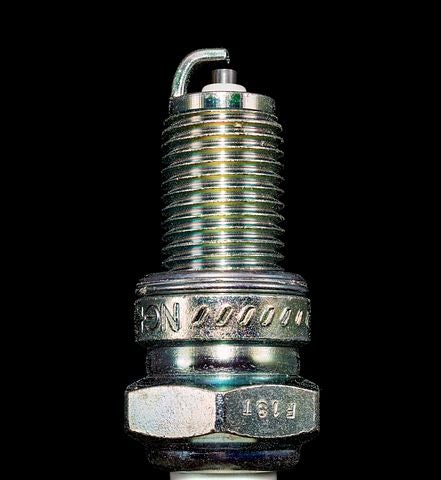
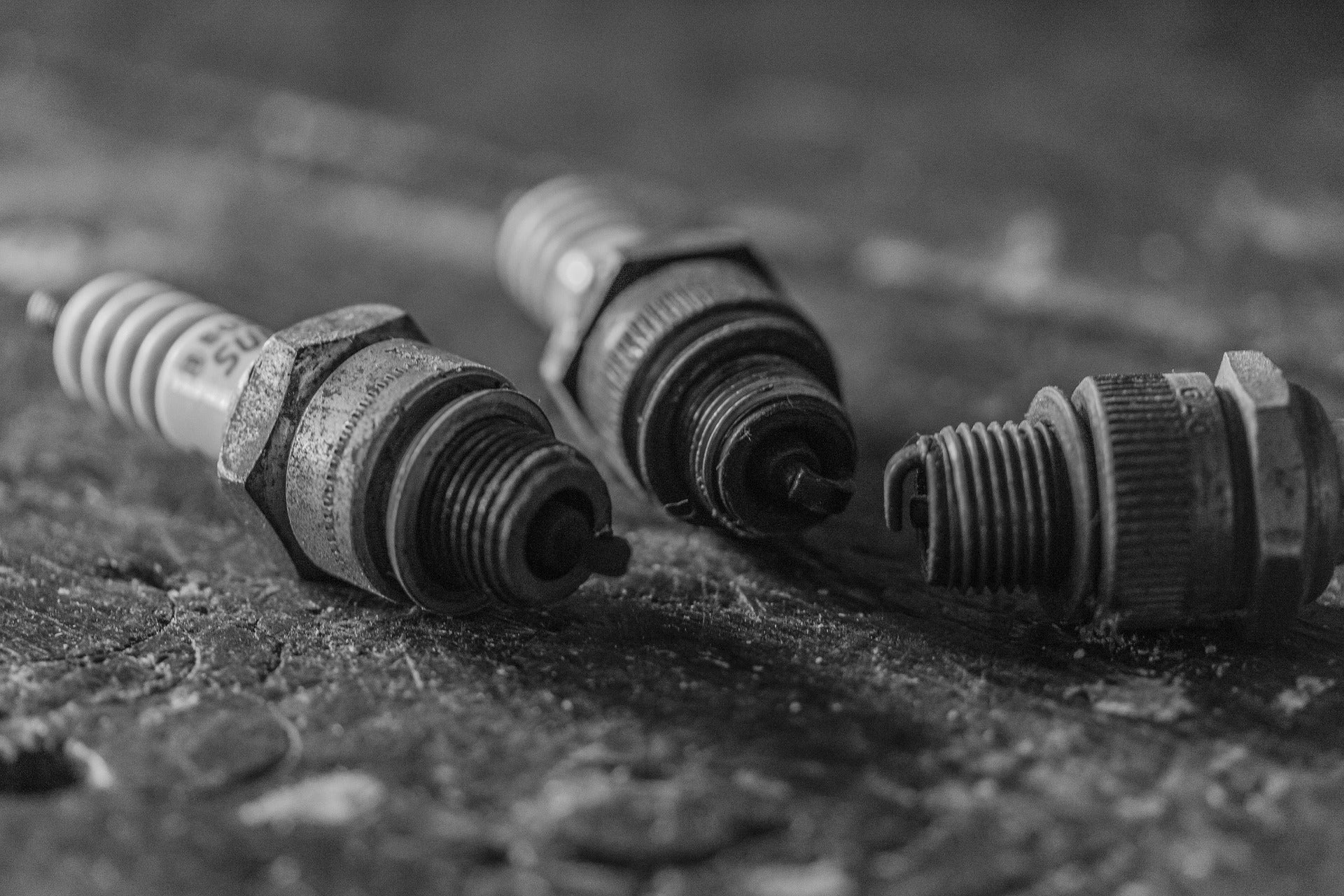
The highly responsive, nimble handling of your Mini depends upon a fully functioning engine. And one of the most important components of your engine is the spark plugs. Firing off hundreds of times every minute, your plugs keep the combustion process going, and without them, your wheels will rapidly grind to a halt. With this in mind, the following six indications of plug trouble should prompt you to visit your local Mini dealer for replacements right away. 6 Signs It's Time to Replace the Spark Plugs on Your Car Your Car's Idling Roughly When even one plug starts to falter, the cylinder that contains it won't be firing as consistently. This misfiring will cause your engine to cough, sputter, and judder when you pause in idle rather than purr away smoothly as it should. Your Engine's Stalling It's unlikely that a single defunct plug will cause your engine to stall. But problems that lead to sparking problems often affect more than one cylinder.  If more than one of your plugs is struggling to do its job, then you might stall. This is most likely when idling, such as when paused at traffic lights. more You Can't Accelerate Properly Failing plugs drain the power from the engine. This means you'll lose accelerative power, which is usually most notable when you need to overtake another vehicle or quickly cross a busy intersection. You're Losing Fuel Economy While your plugs are failing, the fuel injector and other engine components are still working as usual. This means fuel will still be consistently entering the combustion chambers but won't be burning off properly. This inefficiency causes a loss of gas mileage. The more the problem worsens, the more often you'll be stopping at gas stations. Your Engine's Revving Unexpectedly In an attempt to make up for the faltering combustion process, the engine might draw in more air or inject more fuel. This can lead to sudden unexpected surges in engine revving as the excess of oxygen or fuel all burns off at once. Black Smoke's Pouring From Your Tailpipe Without enough sparks to ignite all the fuel, excess fuel will eventually begin to leak back into the exhaust system. Here, the fuel can damage your catalytic converter and even ignite from the heat, causing black smoke to escape from your tailpipe. Have Your Plugs Inspected at a Mini Dealership Plugs need to be removed and closely examined to determine the problem. Sometimes a build-up of sooty residue or other deposits can temporarily incapacitate a plug, in which case a good clean may return its proper function. But after about 30,000 to 40,000 miles of driving, most plugs become damaged to the point of no return. Any cracks or damage to the electrodes inside mean you'll need a new plug to be installed. Visit Tom Bush Mini to have your plugs inspected, repaired, or replaced with new ones. We've been providing new vehicles and top-notch service to the local drivers of Jacksonville for over 20 years.

6 Signs It's Time to Replace the Spark Plugs on Your Car

6 Signs It's Time to Replace the Spark Plugs on Your Car

The highly responsive, nimble handling of your Mini depends upon a fully functioning engine. And one of the most important components of your engine is the spark plugs. Firing off hundreds of times every minute, your plugs keep the combustion process going, and without them, your wheels will rapidly grind to a halt. With this in mind, the following six indications of plug trouble should prompt you to visit your local Mini dealer for replacements right away. 6 Signs It's Time to Replace the Spark Plugs on Your Car Your Car's Idling Roughly When even one plug starts to falter, the cylinder that contains it won't be firing as consistently. This misfiring will cause your engine to cough, sputter, and judder when you pause in idle rather than purr away smoothly as it should. more Your Engine's Stalling It's unlikely that a single defunct plug will cause your engine to stall. But problems that lead to sparking problems often affect more than one cylinder.  If more than one of your plugs is struggling to do its job, then you might stall. This is most likely when idling, such as when paused at traffic lights. You Can't Accelerate Properly Failing plugs drain the power from the engine. This means you'll lose accelerative power, which is usually most notable when you need to overtake another vehicle or quickly cross a busy intersection. You're Losing Fuel Economy While your plugs are failing, the fuel injector and other engine components are still working as usual. This means fuel will still be consistently entering the combustion chambers but won't be burning off properly. This inefficiency causes a loss of gas mileage. The more the problem worsens, the more often you'll be stopping at gas stations. Your Engine's Revving Unexpectedly In an attempt to make up for the faltering combustion process, the engine might draw in more air or inject more fuel. This can lead to sudden unexpected surges in engine revving as the excess of oxygen or fuel all burns off at once. Black Smoke's Pouring From Your Tailpipe Without enough sparks to ignite all the fuel, excess fuel will eventually begin to leak back into the exhaust system. Here, the fuel can damage your catalytic converter and even ignite from the heat, causing black smoke to escape from your tailpipe. Have Your Plugs Inspected at a Mini Dealership Plugs need to be removed and closely examined to determine the problem. Sometimes a build-up of sooty residue or other deposits can temporarily incapacitate a plug, in which case a good clean may return its proper function. But after about 30,000 to 40,000 miles of driving, most plugs become damaged to the point of no return. Any cracks or damage to the electrodes inside mean you'll need a new plug to be installed. Visit Tom Bush Mini to have your plugs inspected, repaired, or replaced with new ones. We've been providing new vehicles and top-notch service to the local drivers of Jacksonville for over 20 years.

How to Jump Start a Car in 5 Easy Steps

An important skill every driver should know is how to jump-start a car. As your MINI dealer, we'd like to tell you the easy steps to perform this operation. You will need a set of jumper cables, and we advise you to keep cables in your car. When you choose a set of cables, check to ensure that they can transmit sufficient power. Advice From Your MINI Dealer: 5 Easy Steps To Jump-Start a Car Park Facing the Other Car It's always advisable to park as close to the other car as possible, preferably with your hoods facing each other. Once you've parked, turn off the engines and open both hoods. Depending on the position of the car and the road situation, you may have to park behind it. We advise purchasing a long set of jumper cables so you're prepared for any emergency. If you're behind the other car, long cables will stretch over the car. It's not an ideal situation, but there might not be a choice. more Connect the Red Cables The red cables are positive. Connect the first red cable to the positive battery terminal in the dead car and ensure it's securely connected. Once this is done, connect the second red cable to the positive terminal on your battery. Some car batteries have plastic covers you must remove to access the terminals. In all batteries, the positive and negative terminals are marked. Connect the Black Cables The black cables are negative. Connect the first black cable to the negative terminal on your battery. As a final step, connect the second black cable to any unpainted bolt on the inside frame of the other car's engine. You mustn't connect the black cable to the negative terminal on the dead car's battery. This could damage your battery or even start a fire. Check All Connections Ensure that all the cables are securely connected. If there's a loose connection, recharging will fail. Start Your Engine Start your engine and allow it to idle for several minutes. Electricity will flow through the cables from your battery to the dead car's battery and provide it with power. After a few minutes, try and start the other car. If its engine starts, carefully remove the battery cables. If the dead car doesn't start, repeat the process for another fifteen minutes and try and start the car again. Now you know how to start a dead battery. To ensure your MINI's battery is in good condition, visit us for a battery test today at Tom Bush MINI.

ignition-coils-7235795_1920

4 Common Signs of a Faulty Ignition Coil

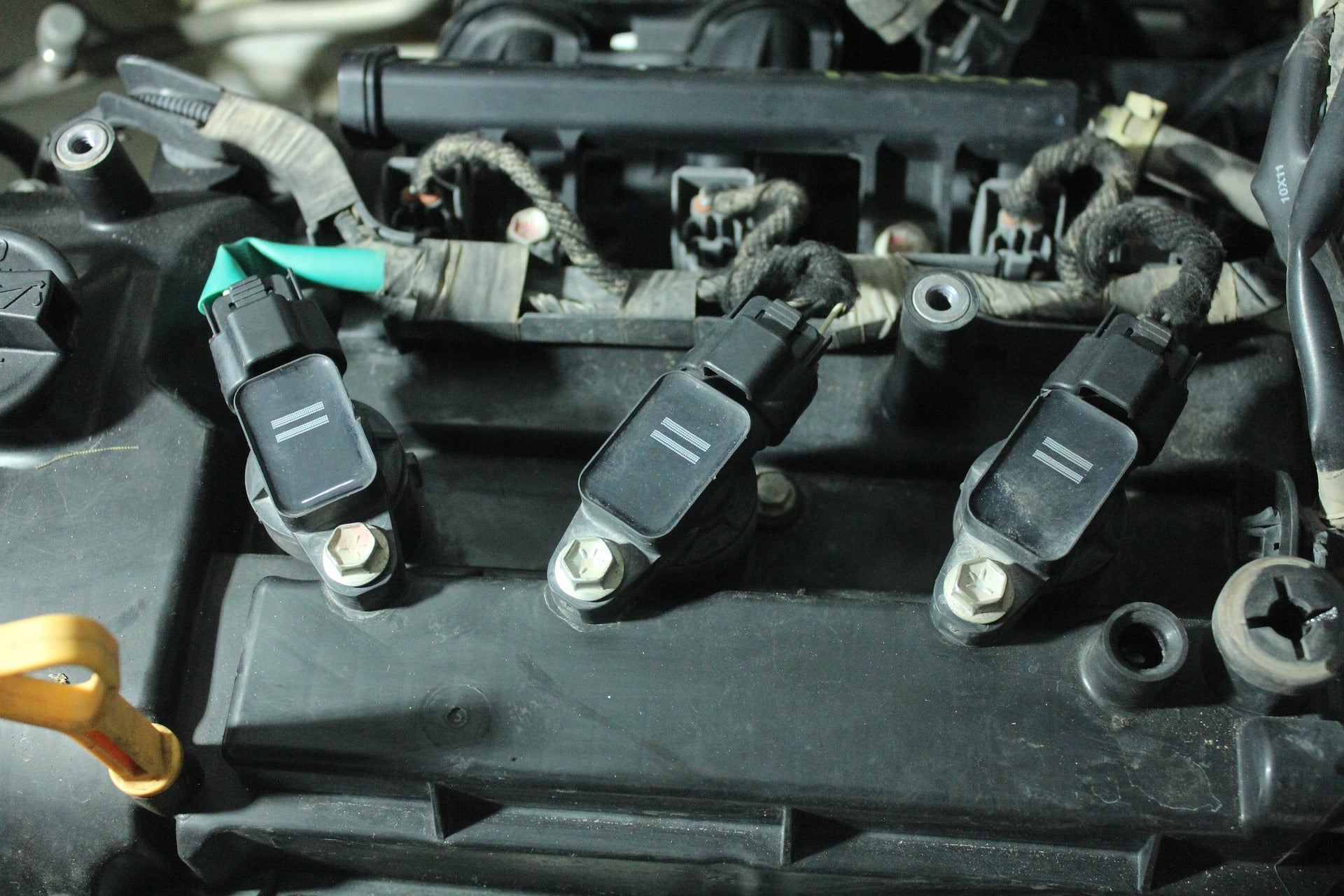
Your Mini Cooper is a finely tuned machine and needs the best parts to run at its best. That's why it's essential to know the signs of a faulty ignition coil and get it fixed as soon as possible. Here are four of the most common symptoms. Keep an eye out for them and visit your Mini dealer if you are experiencing any of these issues. 4 Common Signs of a Faulty Ignition Coil. Visit Your Mini Dealer Today Engine Misfires When an ignition system functions correctly, it supplies voltage to the spark plugs at precisely set intervals to create combustion. However, if the coil fails or begins to wear out, these intervals can become erratic or delayed, resulting in an incomplete combustion cycle that causes the engine to misfire. Engine misfires can be identified by rough idling or a shaking sensation while the vehicle is running. In addition, your car may also produce loud noises accompanied by some smoke from the exhaust pipe. If your engine is misfiring, take it to your nearest local dealer promptly. more Difficulty Starting the Engine A working ignition system will provide an electric spark to ignite the mixture within your vehicle's combustion cylinder. As part of a car's digital ignition system, this spark is essential for initiating your vehicle's two- or four-stroke combustion cycle. Starting and running your car's engine can be challenging when this process is disrupted. This stalling effect can manifest as soon as you turn your key, leave you stranded on the side of the road, or cause you to restart your engine numerous times. If you're having trouble starting your car on occasion, you should have a professional inspect your ignition system. Loss of Power The loss of power in your engine is one symptom of a problem with the ignition system. When the ignition system begins to wear down, it produces fewer of the sparks required to fire up the cylinders inside your machine. It might result in poor or sluggish driving performance and trouble climbing hills or accelerating quickly. In addition, a faulty ignition system can cause harsh engine vibrations when starting up or at idle speeds. Poor Fuel Economy Poor fuel economy occurs when the spark plugs don't fire properly, resulting in an inefficient combustion process that wastes fuel and reduces engine power. This can be caused by faulty coils breaking the electrical circuit, preventing the spark plugs from receiving enough energy to ignite the air-fuel mixture. That's why it's essential to have regular maintenance on your ignition system, especially if you notice a decrease in fuel efficiency or power output in your vehicle. If you're experiencing any of the four signs of a faulty ignition coil, contact us at Tom Bush MINI to schedule a maintenance appointment. We have a team of experts ready to help you diagnose and fix the problem.

tire-1714669_960_720

How to Check Your MINI's Tire Pressure

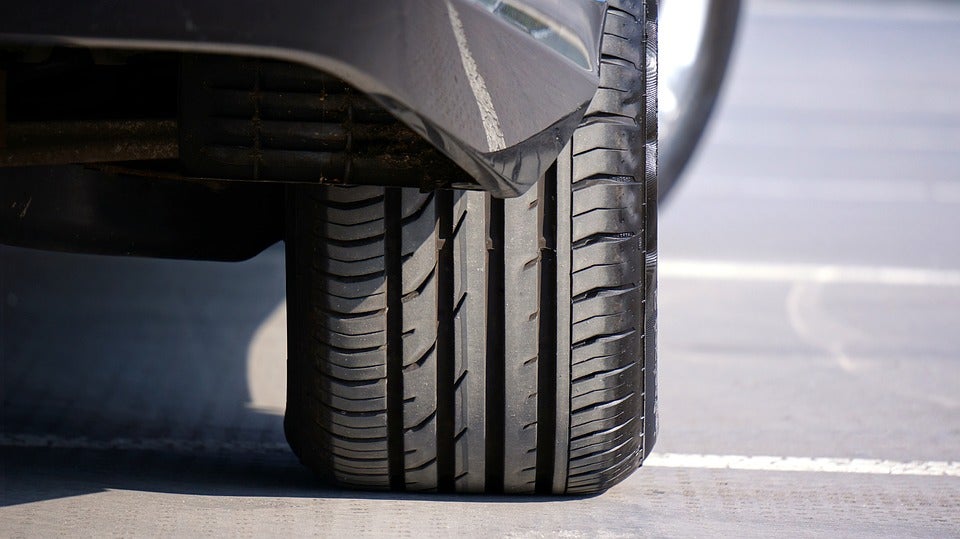
One of the keys to a long tire life is managing its air pressure. Tires can be expensive, and maintaining them and reducing wear will keep your tires in good condition for longer. Poorly inflated tires can also blow or develop other issues. To prevent these problems, as your MINI dealer, we'd like to give you some advice on how to check tire pressure. Advice From Your MINI Dealer: How To Check Tire Pressure The air pressure in your tires isn't static, it changes due to temperature and external air pressure. Pressure is measured in pounds per square inch (psi). In a month, your tires could all lose 1 - 3psi as the tires equalize their pressure with the environment. You can lose 1psi per 10 degrees of external temperature. You can also temporarily gain pressure if your tires are hot. What Should My Tire Pressure Be? Your tire pressure is listed in your car's manual, and it's also displayed on a plaque on the doorjamb of your passenger door. Your tires will also have a recommended tire pressure on them. The correct pressure for your car is the one displayed on your car. You may also find that you have different tire pressures for your front tires, rear tires, and spare. The reason for this some of your tires carried greater weight than others. A front-wheel-drive car has more weight in the front, so its tires will have a higher pressure on the front than on the rear tires. more How to Test the Tire Pressure You can check your tire pressure with an analog or digital gauge. These gauges attach to the tire nozzle and register the pressure inside the tire. Analog gauges are available as either the stick type or the dial. A dial gauge has a face that displays the pressure. The stick gauge displays the pressure on the stick marked in psi. Analog and digital gauges will both display the correct temperature. All you need to do is to remove the nozzle cap on the tire, connect the tire pressure reader to the nozzle, and the reader will do its work. Top Up the Air Once you know your current tire pressure, compare it to your car's required pressure. Fill your tires to the correct pressure at the gas station or with your compressor. If you drive on tires with low pressure, the underinflated tires will become a drag and reduce engine performance or even blow. Overinflated tires can easily heat up and create a blowout. Now you know how to test your pressure. If your tires are showing signs of wear, we can fit replacements for you. Come in and see us at Tom Bush MINI.

toolbox-2645700_960_720

5 Car Maintenance Tips Every Mini Cooper Owner Can Use

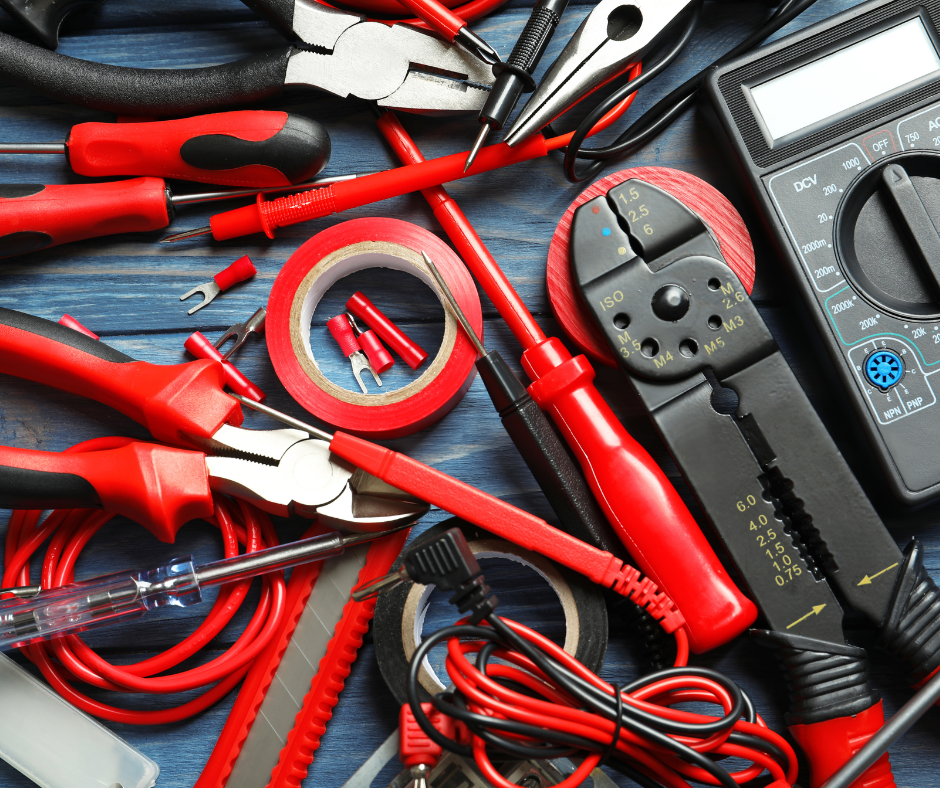
After spending your hard-earned money on the car of your dreams, you want to make sure it's going to last for a long time. While modern Minis are built to last, there are some things you need to do to take care of them. After driving your car away from the Mini dealer, there are some car maintenance tips you should follow. These will keep your car looking good and ensure that it lasts for as long as possible. 5 Car Maintenance Tips From a Mini Dealer 1. Use the Right Engine Oil Oil is essential when it comes to lubricating your engine and protecting it from heat. To keep your vehicle running at a high level, make sure you're using the right engine oil. The Mini's engine is unique and high performing, so only using full synthetic oil is in your best interest. 2. Fill Up With the Right Fuel Not only should you be using the right engine oil, but you also want to make sure you're putting the right fuel in your gas tank. High-octane fuel gives your vehicle the power it needs to run smoothly and optimally down the road. The right fuel will not only make the drive more enjoyable, but it will ensure your vehicle lasts longer as well. more 3. Watch Your Fluid Levels Keeping your vehicle in good running condition means keeping an eye on fluid levels. You already know how important it is to use the right oil, but it's also imperative that you replace the transmission fluid at a specific time, as well as make sure there's enough coolant and other fluids to keep your engine running properly. 4. Keep an Eye on Your Brakes Your Mini is advanced enough to let you know when you need to replace your brake pads, and you need to get this done as soon as possible. Attempting to get a little more life out of your brakes could create a dangerous situation for you and others. 5. Trust Repairs to Professionals A lot of people like to do their own repairs on their vehicles. For small issues, this probably isn't a big deal. However, since Mini's are complex, high-performance machines, trying to do major work yourself could be disastrous. Taking your vehicle to a professional who is equipped with the right diagnostic tools and expertise is the best way to maintain your Mini. After making the decision to buy a Mini, you want to make sure your vehicle lasts for as long as possible. These vehicles are durable and versatile, but there are some things you need to do to take care of your car. Whether you're looking to get your Mini serviced or you're ready to buy a new one, visit Tom Bush MINI today.

plug-in-2783574_960_720

Electrical Problems? Visit Your MINI Dealer Today!

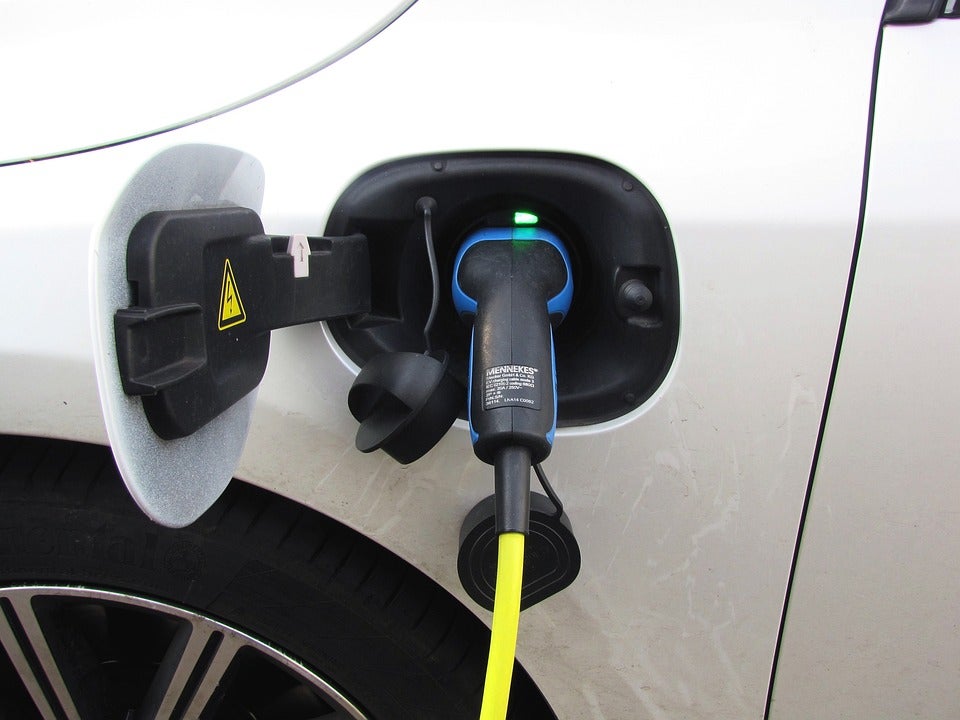
The electrical systems in your car are responsible for getting it going in the first place, as well as powering multiple functions for a safe and comfortable drive. Make sure that you know how to recognize electrical problems and when to contact your MINI dealer for help. Electrical Problems? Visit Your MINI Dealer Today! The electrical systems in your car include the battery, alternator, starting motor, ignition, lights, and other equipment, so if there's a problem then a number of functions and accessories might fail. The Engine Won't Crank "Cranking" is shown by the chirping noise that your car makes before the engine ignites when you turn the key to start. If there's no response when you turn the ignition, check to see if the lights are working. If they aren't, you probably have a dead battery, if they are, then you may have a problem with your alternator. more A clicking or grinding noise when you crank means that the issues lies in your starting motor, but any of these indicate that it's time to get an electrical diagnostic from your dealer. Electrical Components Start Failing Your car's electric system is responsible for the performance of multiple systems, so if it's failing you'll see the results across a range of items. These include: Dim and flickering lights Reluctant movement of electric windows Failing entertainment system Individual Fuses Keep Blowing A blown fuse can be recognized when a single electrical component, such as the brake lights, stops working even though the others are fine. It's a relatively simple fix, but if it keeps happening then it could mean that you have more extensive problems with your car's electrics. If the same fuse blows twice in a short space of time, you need to seek help to diagnose the electrical fault. Smell of Burning Plastic An electrical fault or short-circuit can burn or melt the plastic insulation around the wires. If you're picking up on this odor, your car could have an electrical fault that will cause damage to other components, so take your car off the road and seek advice as soon as you can. Damaged or Leaking Battery If your battery is leaking, you may see signs of deterioration when you look under the hood, either in the form of stains, or buildup around the terminal. It's an indication that your battery is old and damaged, and is more likely if it's approaching four or five years of age. You need to ask your mechanic about a replacement, but remember to exercise caution when checking, as battery contents are corrosive and can cause injury. Whether it's a gradual brownout or a sudden failure of your car's components, electrical faults need attention for the sake of your car's long-term health. Contact us at Tom Bush MINI and our specialized technicians will get to work to diagnose the problem, and get your MINI fighting fit again.

Car tools

5 Items Every Driver Should Include in a Car Tool Kit

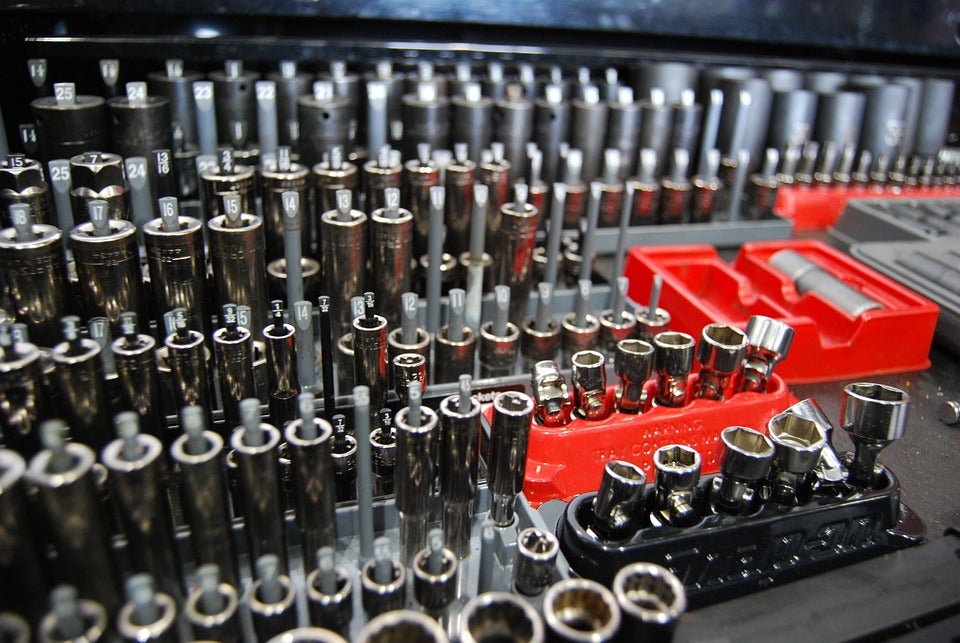
When you driving on the open road, or anywhere far from immediate help, it's good to take precautions. A good car tool kit is invaluable in helping you to get back on the road again if a breakdown happens. Many problems can be temporarily repaired to let you get to your Mini dealer. These are some of the tools to keep in your kit for emergencies. Advice From Your MINI Dealer: 5 Items You Need in Your Car Tool Kit Tire Inflator You've got a spare tire, but what if more than one tire goes flat? If you need to get mobile ASAP, a can of tire inflator will get you on your way. Tire inflators don't require a level of strength or special tools to use. All you need to do is to attach the nozzle to the tire pressure valve and pump the contents of the can into the flat tire. To be safe, we recommend that you keep at least two cans in your car. Flashlight A good, strong flashlight is really useful, especially if it's night or you're working in a dark part of your car. An LED flashlight will provide excellent visibility. We recommend keeping extra batteries for the flashlight in your car. It's also advisable to choose a flashlight with a magnet or a hook as you may need both hands when you're working more Jumper Cables You may be faced with a dead battery at the worst time. If you're far from immediate help, you may need to wait for help from a passing driver. If you have a set of jumper cables, they may help you to get your car started. We recommend extra long cables, as this allows your battery to be jumped from any angle. Screwdriver and Socket Set Over time, parts can loosen due to moment or age. Sometimes you may just need to screw something back on so you can get it permanently fixed in our service department. A good screwdriver and socket set will have tools to fix almost any item in your car. You don't have to be a mechanic, as a loose part or connection may be easily visible. Duct Tape Duct tape is an essential part of any tool kit. It has a wide variety of uses, and it can temporarily repair or reattach almost anything. A leak in a radiator hose, for example, can be easily and quickly bound with duct tape. It's not a permanent solution, but it will allow you to get your car to us so we can repair it. There are many other items you can add to your tool kit. If you'd like to know more, come in and see us at Tom Bush MINI.

mini-cooper-783696_1920

Electrical Problems? Visit Your MINI Dealer Today!

The electrical systems in your car are responsible for getting it going in the first place, as well as powering multiple functions for a safe and comfortable drive. Make sure that you know how to recognize electrical problems and when to contact your MINI dealer for help. Electrical Problems? Visit Your MINI Dealer Today! The electrical systems in your car include the battery, alternator, starting motor, ignition, lights, and other equipment, so if there's a problem then a number of functions and accessories might fail. The Engine Won't Crank "Cranking" is shown by the chirping noise that your car makes before the engine ignites when you turn the key to start. If there's no response when you turn the ignition, check to see if the lights are working. If they aren't, you probably have a dead battery, if they are, then you may have a problem with your alternator. A clicking or grinding noise when you crank means that the issues lies in your starting motor, but any of these indicate that it's time to get an electrical diagnostic from your dealer. more Electrical Components Start Failing Your car's electric system is responsible for the performance of multiple systems, so if it's failing you'll see the results across a range of items. These include: Dim and flickering lights Reluctant movement of electric windows Failing entertainment system Individual Fuses Keep Blowing A blown fuse can be recognized when a single electrical component, such as the brake lights, stops working even though the others are fine. It's a relatively simple fix, but if it keeps happening then it could mean that you have more extensive problems with your car's electrics. If the same fuse blows twice in a short space of time, you need to seek help to diagnose the electrical fault. Smell of Burning Plastic An electrical fault or short-circuit can burn or melt the plastic insulation around the wires. If you're picking up on this odor, your car could have an electrical fault that will cause damage to other components, so take your car off the road and seek advice as soon as you can. Damaged or Leaking Battery If your battery is leaking, you may see signs of deterioration when you look under the hood, either in the form of stains, or buildup around the terminal. It's an indication that your battery is old and damaged, and is more likely if it's approaching four or five years of age. You need to ask your mechanic about a replacement, but remember to exercise caution when checking, as battery contents are corrosive and can cause injury. Whether it's a gradual brownout or a sudden failure of your car's components, electrical faults need attention for the sake of your car's long-term health. Contact us at Tom Bush MINI and our specialized technicians will get to work to diagnose the problem, and get your MINI fighting fit again.

Contact Us

Fill out this form below and we'll contact you shortly
*Required Fields