Your MINI is built to be driven with enthusiasm - tight corners, quick acceleration, and the kind of handling the brand is famous for. But all that fun depends on a braking system that's just as sharp as the rest of the car. If you're behind the wheel of a turbocharged Cooper 2 Door or a John Cooper Works Countryman ALL4, your brakes are working hard every single day.
Knowing when to bring your vehicle in for MINI brake service in Jacksonville, FL is one of the most important things you can do to protect yourself, your passengers, and your car.
Signs Your Brake Pads Need Attention
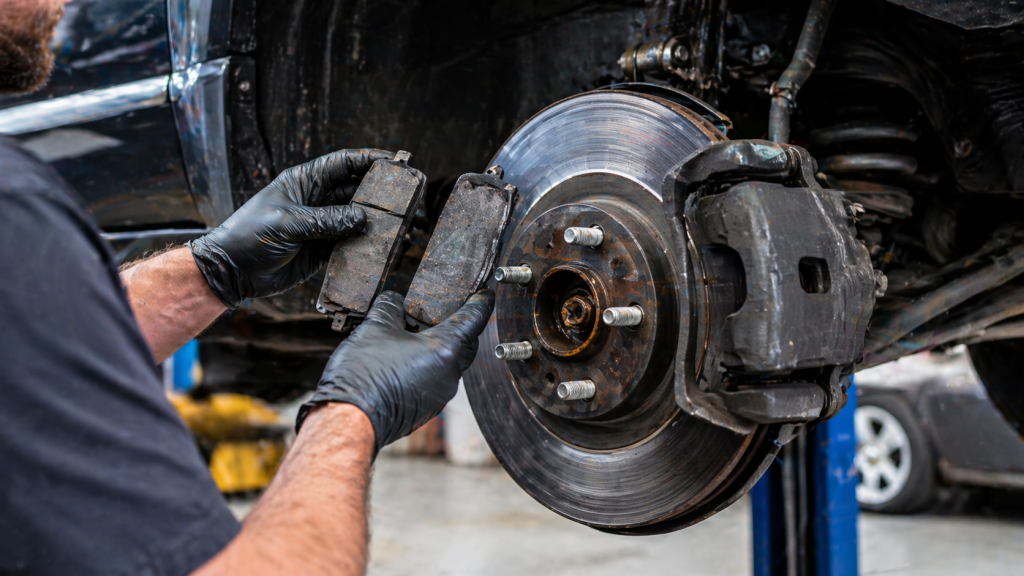
Brake pads are your first line of defense, and they wear down over time with normal use. The most common warning sign is a high-pitched squealing sound when you apply the brakes. That noise typically comes from a built-in wear indicator designed to alert you before the pad material is gone entirely.
If you hear grinding instead, the pads have likely worn through completely, and metal is contacting the rotor. At that point, you're looking at potential rotor damage on top of pad replacement. Other signs include a longer stopping distance, a pulsing brake pedal, or the brake warning light on your dashboard.
When Rotors Should Be Replaced or Resurfaced
Rotors don't last forever, and on a performance-oriented vehicle - they take on significant stress. Over time, heat cycles cause rotors to warp or develop surface grooves, which leads to that pulsing or vibrating sensation you might feel through the brake pedal or steering wheel.
When you bring in your MINI for service, a technician will measure rotor thickness and inspect for wear patterns. Rotors that fall below minimum thickness specifications need to be replaced rather than resurfaced. Catching this early prevents the kind of uneven braking that can compromise handling, especially at highway speeds.
Don't Overlook Brake Fluid
Brake fluid is easy to forget because it doesn't make noise when it's degraded - but it plays a critical role in the hydraulic system that makes your brakes work. Over time, brake fluid absorbs moisture from the air, which lowers its boiling point. When fluid gets too hot, it can vaporize in the brake lines and cause a spongy or unresponsive pedal.
Most manufacturers recommend replacing brake fluid every two years, regardless of mileage. If your MINI has been sitting in the garage or if you've been driving hard and putting the brakes through their paces, having the fluid tested and flushed is an easy service that makes a real difference.
How Often Should You Schedule MINI Brake Service?
There's no single answer that fits every driver, because brake wear depends on your driving habits, the roads you use, and how often you're in stop-and-go traffic. Drivers in Jacksonville who spend time driving through busy intersections and highway on-ramps will naturally go through pads faster than someone logging mostly open-road miles.
A good rule of thumb is to have your brakes inspected at least once a year or whenever you notice any of the warning signs mentioned above. Many drivers tie their brake inspection to tire rotations or oil changes to make it easy to remember.
Visit Tom Bush MINI for Expert Brake Care
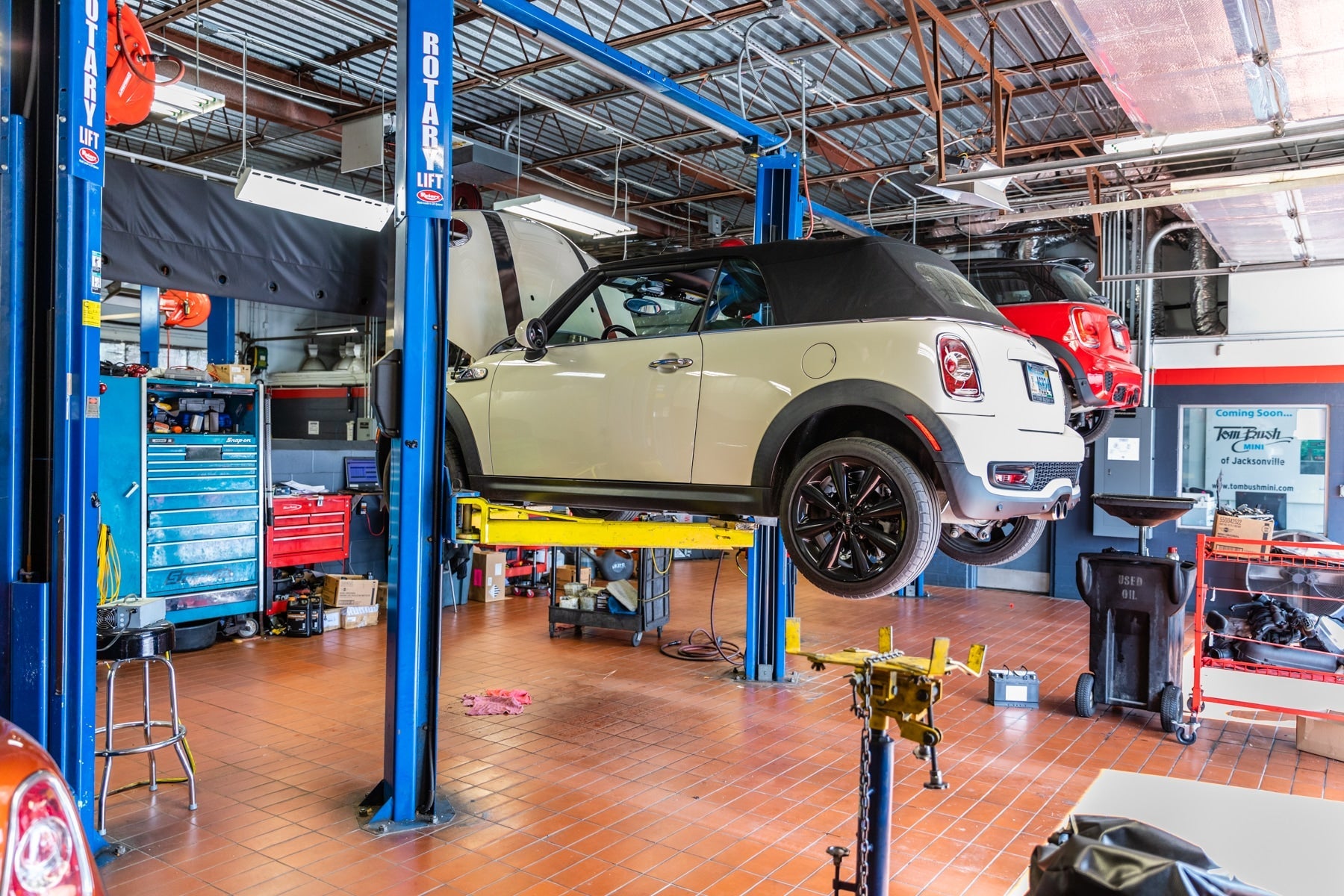
When it's time for MINI Cooper Brake Service in Jacksonville, FL, the team at Tom Bush MINI has the tools, training, and genuine MINI parts to do the job right. From a daily-driven Cooper 4 Door to a fully loaded JCW, your MINI deserves service from people who understand exactly how it was built to perform.
Don't wait until your brakes are telling you there's a problem - schedule your MINI brake service at Tom Bush MINI and keep your drive as confident as the car beneath you. Visit tombushmini.com to book your appointment today.