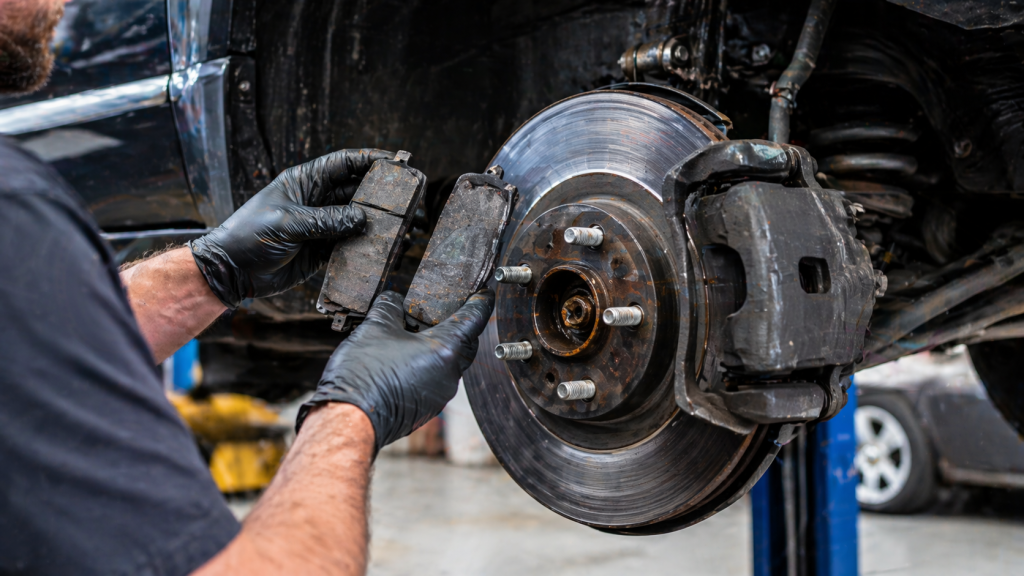

MINI service prices are easier to review when each estimate line explains diagnosis, labor, parts, maintenance, and repair separately. Therefore, a written estimate should show what the technician found and what work is proposed. Therefore, you can review each item before giving approval. That process also makes it easier to ask clear questions about timing, coverage, and service offers.
How to Read a MINI Service Estimate
What are you paying for on a MINI service estimate? The estimate should separate testing, technician time, parts, planned maintenance, and repair work. In addition, each category represents a different part of the service visit. Therefore, reviewing the estimate line by line gives you a clearer view of the proposed work.
Diagnostic testing covers the time used to isolate a fault. Labor covers the time needed to complete the repair or service. Furthermore, parts cover the components, fluids, filters, or hardware listed for the job. In addition, scheduled maintenance may appear beside repair work during the same visit.
Before approving the estimate, review these categories:
- Ask what testing supports each repair recommendation. A clear answer should connect the proposed work with a finding from the inspection or diagnostic process.
- Check whether labor and parts are listed separately. This makes it easier to see where the total comes from.
- Ask whether each item is scheduled maintenance, current repair work, or a recommendation for a later visit. Timing should be clear before approval.
A well organized estimate should make the work easier to follow. Therefore, you should not need to guess why a line item appears.
Diagnostic Charges Cover Fault Isolation
Why can diagnosis carry its own charge before repair pricing is final? Diagnostic work pays for the testing needed to identify the source of a fault. However, a warning light or stored code may narrow the search, but it may not identify the failed component.
MINI technicians can review fault memory, live data, electrical readings, and communication between control modules. In addition, a road test may be needed when a concern appears only while the car is moving. Therefore, each step adds evidence before parts are replaced.
For this reason, diagnosis and repair are separate stages. The first stage identifies what is wrong. The second stage uses that finding to price the needed work. Therefore, a diagnostic charge does not mean the same work is being billed twice.
Ask what the testing confirmed before approving the repair. The service team should be able to explain which finding led to the recommendation.
Labor and Parts Explain Different Parts of the Job
Why can labor cost more than the replacement part? Labor reflects the time and steps needed to reach, remove, install, test, and verify the component. However, a small part can sit in an area that takes more time to access.
MINI models also use electronic controls that may need programming, calibration, or final checks after installation. Therefore, the labor line can include more than physical removal and replacement. Some repairs also require trim, covers, or nearby components to be moved first.
In addition, parts pricing reflects the components used in the job. That may include the main replacement part plus seals, fasteners, fluids, or related hardware. In addition, the exact MINI model and drivetrain can change the part number.
When reviewing the estimate, ask what the labor time covers and which parts are included. That gives you a cleaner view of the total before approval.
Routine Maintenance and Repair Work Need Separate Review
Is every line item on the estimate a repair? No. A service visit can include scheduled maintenance and repair work at the same time.
Therefore, scheduled maintenance follows a planned service schedule. Oil service, brake fluid, filters, and inspection items can fall into that category. By contrast, repair work responds to a confirmed fault, measured wear, damage, or a failed component.
For this reason, this distinction matters when you review coverage. New MINI vehicles include scheduled maintenance for a stated time and mileage window. Warranty coverage follows separate rules. Maintenance plans and service contracts can also use different terms.
Therefore, ask which category applies to each line item. A maintenance item may follow a normal service interval. A repair item should connect to a finding from the inspection or diagnostic process.
Keeping those categories separate also makes future planning easier. You can see which work belongs to the current visit and which service will return on a later schedule.
Decide What Needs Attention Now and What Can Wait
Which recommendations need attention first? The answer should come from safety, active faults, measured wear, and the technician's findings.
Some items may need prompt attention because they involve braking, steering, cooling, electrical faults, or another active concern. However, other items may have remaining service life and can be planned for a later visit. Therefore, ask the service advisor to explain the timing for each recommendation.
In addition, ask what was measured and observed. Then ask what could happen if the work is delayed. It should also explain whether the item has a clear service limit or inspection result behind it.
Therefore, this approach does not require you to diagnose the MINI yourself. Instead, it gives you a structured way to review the recommendation before approval.
If several items appear on one estimate, ask the advisor to separate them by timing. That can make a larger service visit easier to plan without losing sight of the most pressing work.
Check Coverage Specials and Approval Details
What should you verify before approving the estimate? Review coverage, current service offers, the total amount, and the work that will be completed.
First, ask whether any line item may fall under active MINI coverage. This may include warranty, scheduled maintenance, Maintenance+, or a service contract. Each program has its own terms. Therefore, coverage should be checked against the exact MINI and current plan.
Next, review current Tom Bush MINI service and parts specials. However, offers can change and may apply only to certain services or dates. For this reason, ask whether a current offer applies before the work begins.
Also confirm what happens if the technician finds another issue after disassembly. Therefore, you should know whether new work requires separate approval before the total changes. In addition, ask which recommendations can be planned for a later visit.
Tom Bush MINI service in Jacksonville can review the estimate with you before work begins. Bring questions about the findings, timing, coverage, and current offers to that conversation. A clear estimate should leave you knowing what is being done, why it is being done, and what you approved.