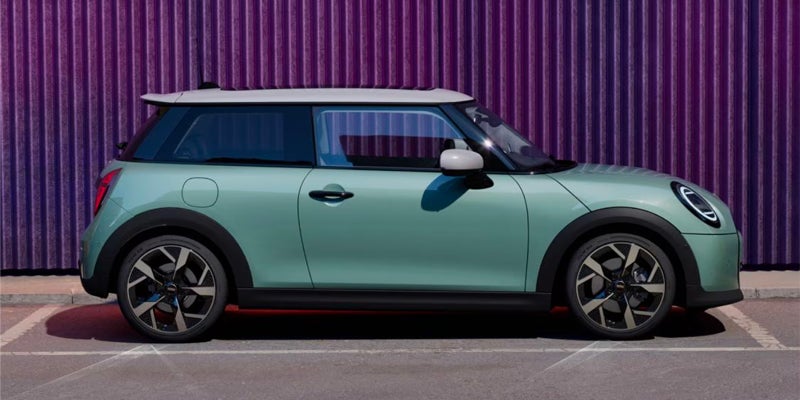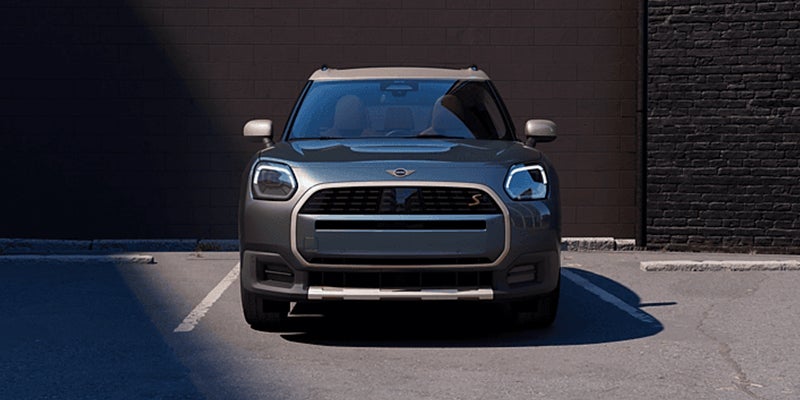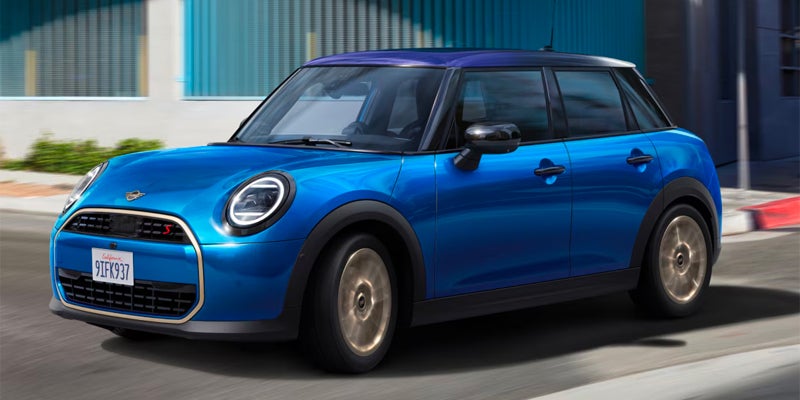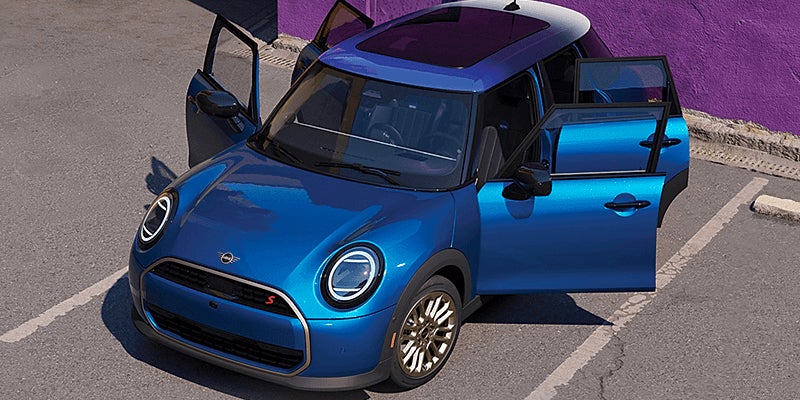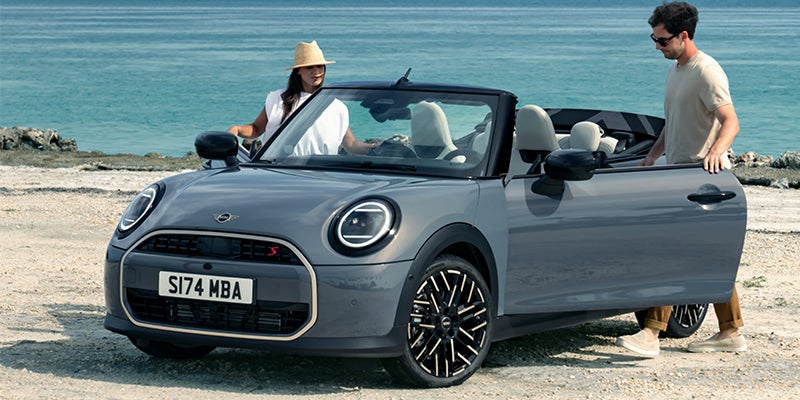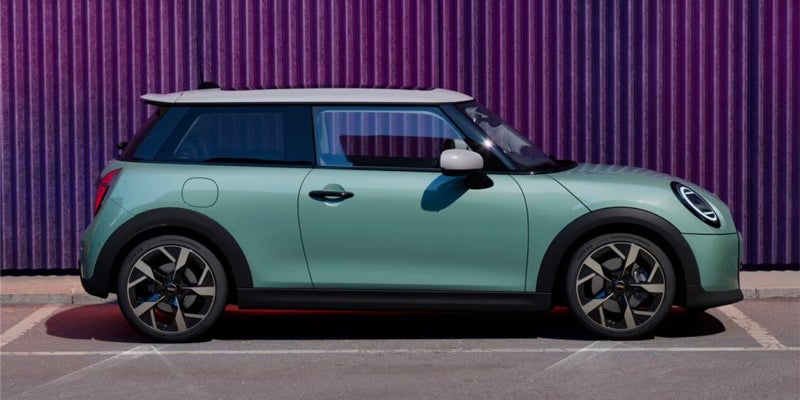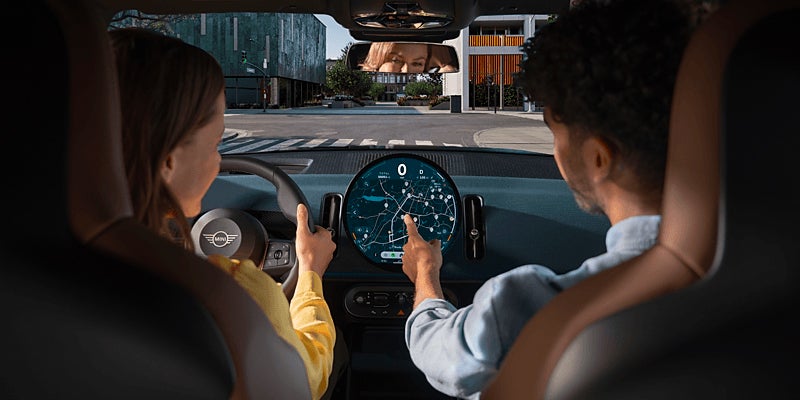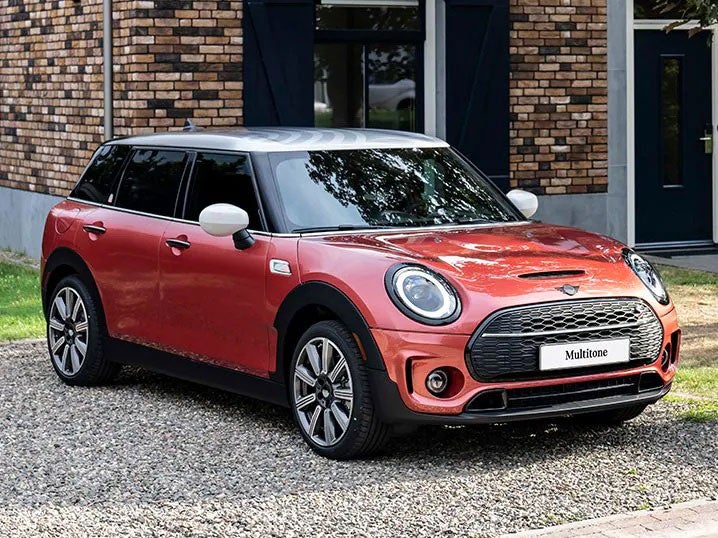
Hot hatches have always been about more than speed. They are compact cars with big personalities, designed to make everyday driving feel alive. When drivers compare the 2026 MINI Hardtop 2 Door and the Toyota GR Corolla, the conversation often begins with horsepower and acceleration numbers. But the real difference between these two cars shows up the moment you turn the steering wheel. Both vehicles represent different philosophies of performance. The Toyota GR Corolla leans toward rally inspired power and traction. The 2026 MINI Hardtop 2 Door focuses on responsiveness, personality, and the kind of agile driving feel that has defined MINI for generations. Understanding how these approaches differ helps explain why the MINI Hardtop remains one of the most distinctive hot hatches on the road. Hot Hatch Philosophy: Performance vs Personality Many drivers comparing the 2026 MINI Hardtop 2 Door and the Toyota GR Corolla ask which hot hatch is faster and which one is more fun to drive. The answer depends on what kind of driving experience you value. The Toyota GR Corolla is engineered with track inspired performance in mind. Its all wheel drive system and turbocharged engine deliver strong acceleration and traction when pushing the car hard. The 2026 MINI Hardtop 2 Door takes a different path. MINI engineers focus on driver connection and agility, creating a car that feels playful and responsive at everyday speeds. Rather than chasing pure horsepower numbers, the MINI Hardtop emphasizes balance, steering feedback, and compact proportions that make every corner feel engaging. For many drivers, that personality becomes the defining feature. The MINI Hardtop turns routine drives into something more memorable, whether you are navigating tight city streets or winding back roads. Turbocharged Engine Design and Power Delivery Both vehicles rely on turbocharged engines, but the way those engines deliver power creates different driving experiences. The 2026 MINI Hardtop 2 Door turbocharged engine uses a turbine driven by exhaust gases to force additional air into the combustion chamber. By increasing the amount of air entering the engine, the turbocharger allows the engine to burn more fuel and produce more power without increasing engine size. This design produces strong low end torque, which means the MINI Hardtop responds quickly when you press the accelerator. The result is a lively driving feel that makes merging onto highways and accelerating out of corners feel quick and effortless. The Toyota GR Corolla engine also uses turbocharging, but it is tuned for higher peak performance. Its three cylinder turbocharged engine produces impressive horsepower for a compact hatchback. For drivers comparing the two cars, the difference often comes down to how the power feels on the road. The 2026 MINI Hardtop 2 Door emphasizes smooth, immediate response that keeps the driving experience playful and energetic. How Chassis Design Influences Handling and Driving Feel Handling is where the 2026 MINI Hardtop 2 Door truly stands apart. MINI vehicles are famous for what enthusiasts call go kart handling, and that reputation comes from a combination of engineering choices. The MINI Hardtop uses a short wheelbase and a wide stance to create quick directional changes. Wheelbase refers to the distance between the front and rear wheels. A shorter wheelbase allows the car to rotate more quickly when turning, which makes the vehicle feel agile in tight corners. Steering tuning also plays a major role. The 2026 MINI Hardtop steering system is calibrated to provide immediate response when the driver turns the wheel. This responsiveness creates a direct connection between the driver and the road. Lightweight construction contributes to this agility as well. When a vehicle carries less weight, it can change direction more easily and maintain balance during cornering. For drivers who value a lively driving experience, these characteristics give the MINI Hardtop its signature personality. Drivetrain Differences: AWD vs Front Wheel Drive Dynamics One of the biggest technical differences between the Toyota GR Corolla and the 2026 MINI Hardtop 2 Door involves drivetrain layout. The GR Corolla uses an all wheel drive system that distributes power to both the front and rear wheels. This improves traction during hard acceleration and helps the car maintain stability when driving aggressively. The 2026 MINI Hardtop 2 Door uses a front wheel drive layout, which prioritizes steering precision and lightweight efficiency. Because the front wheels handle both steering and power delivery, the vehicle maintains a direct and responsive feel when cornering. Each drivetrain design offers advantages. All wheel drive systems help maximize traction during high power acceleration or slippery road conditions. Front wheel drive systems often provide sharper steering feedback and lower overall vehicle weight. For drivers who value engagement behind the wheel, the 2026 MINI Hardtop 2 Door front wheel drive setup enhances the sense of connection between driver input and vehicle response. Which Hot Hatch Fits Your Driving Style Choosing between the 2026 MINI Hardtop 2 Door and the Toyota GR Corolla ultimately comes down to what kind of driving experience you want from a hot hatch. Drivers comparing these vehicles often evaluate several factors: • Steering responsiveness and cornering agility • Engine power delivery and acceleration feel • Drivetrain layout and traction characteristics • Everyday driving comfort and practicality The Toyota GR Corolla leans toward track inspired performance and rally style traction. The 2026 MINI Hardtop 2 Door focuses on playful agility, expressive design, and the unmistakable feeling of driving something that refuses to blend in. That spirit has always defined MINI. Small car. Big character. And when the road curves ahead, the MINI Hardtop reminds you why hot hatches became beloved in the first place.