Blog

All Jacksonville MINI Dealer Tom Bush MINI Jacksonville MINI Service Things To Do In Jacksonville Tom Bush MINI Service Jacksonville Entertainment Jacksonville Amenities Jacksonville Used Cars Jacksonville Eateries Fun in Jacksonville Jacksonville Restaurants Tom Bush Family of Dealerships Jacksonville Kid Friendly Activities Jacksonville Parks Car Necessities MINI Financing Tom Bush MINI Finance Jacksonville Foodies Jacksonville Auto Finance Jacksonville Collision Center MINI Warranty Tom Bush MINI Collision Jacksonville Weddings Things To Do Near Jacksonville Booklovers Jacksonville Brunch Jacksonville Traveling MINI Lease Deals Jacksonville Small Town Fun Stress Free

MINI Warning Lights Guide: Check Engine and Dashboard Symbols Explained

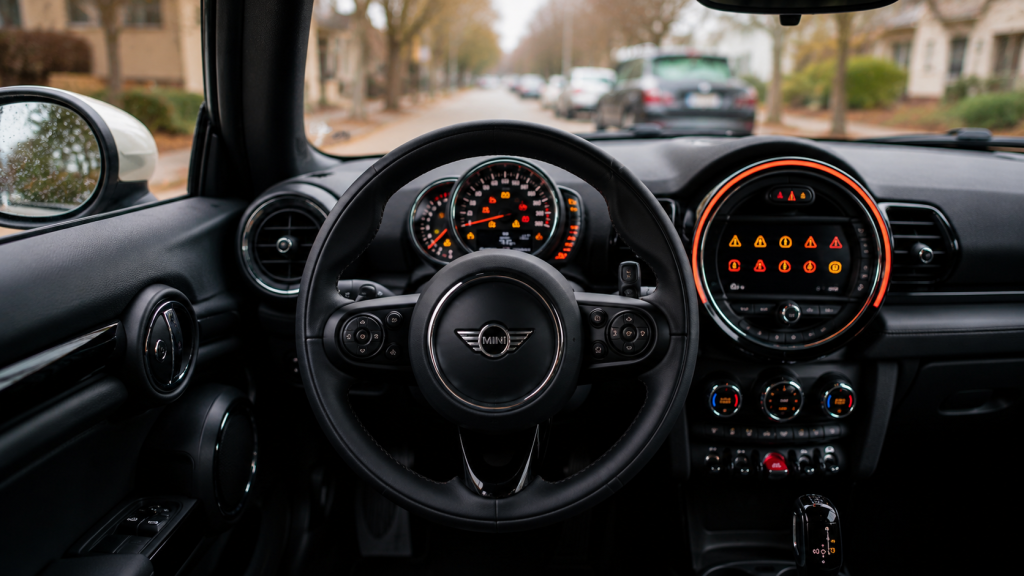
This MINI warning lights guide explains how dashboard symbols, check engine alerts, and drivetrain warnings communicate problems inside the vehicle before larger failures develop. Modern MINI models continuously monitor engine operation, braking systems, tire pressure, electrical charging activity, emissions output, steering input, and module communication through dozens of sensors and electronic control units working together simultaneously. When one system detects readings outside acceptable operating thresholds, the dashboard alerts the driver through warning lights prioritized by urgency level. Understanding how those warnings work helps drivers respond appropriately instead of ignoring faults, resetting alerts blindly, or assuming every dashboard light signals catastrophic repair costs. MINI Dashboard Warning Colors Indicate Fault Priority Dashboard warning lights are grouped by urgency so the driver can quickly understand how serious the issue may be. MINI uses different colors because not every fault requires the same response timing. Green and blue indicators usually confirm normal feature operation such as headlights, cruise control activation, or driving assistance functions. Yellow and amber alerts indicate faults or maintenance concerns requiring attention soon. Red warning lights signal issues that may require immediate shutdown or inspection before continued driving. This prioritization structure exists because modern vehicles monitor hundreds of operating parameters simultaneously. MINI electronic modules constantly compare live sensor data against programmed thresholds for temperature, voltage, fuel mixture, wheel speed, engine timing, and braking activity. Yellow and red warnings commonly monitor: more • engine management faults • charging system voltage • brake wear sensors • oil pressure levels • tire pressure readings • traction and stability activity A yellow warning light does not always mean immediate danger, though it still indicates the vehicle detected abnormal operation requiring inspection. Red warnings carry higher urgency because they usually involve safety systems, overheating risks, lubrication loss, or charging failures that could damage major components if ignored. That distinction matters because drivers sometimes continue operating vehicles with severe warnings after assuming all dashboard lights function identically. Why Is My MINI Check Engine Light Flashing? The check engine light monitors engine operation, fuel delivery, ignition timing, emissions output, turbocharger operation, airflow calculations, and combustion quality. MINI stores diagnostic trouble codes whenever operating values exceed acceptable thresholds programmed into the engine management system. A solid check engine light usually indicates the vehicle detected a fault r equiring service soon, though continued driving may still remain possible temporarily depending on drivability symptoms. A flashing check engine light carries far greater urgency. A flashing alert usually indicates active engine misfires severe enough to risk catalytic converter damage. Engine misfires occur when combustion fails inside one or more cylinders. Unburned fuel then enters the exhaust system where catalytic converter temperatures rise dramatically during combustion cleanup attempts. Common causes behind MINI check engine alerts include: • ignition coil failures • spark plug wear • boost pressure leaks • oxygen sensor faults • fuel delivery irregularities • intake air leaks Turbocharged MINI engines rely heavily on precise fuel and ignition calculations. Small airflow irregularities or ignition timing issues can quickly trigger fault monitoring thresholds inside the engine control module. This is why warning lights sometimes appear before drivers notice major drivability symptoms themselves. The vehicle monitoring architecture may detect abnormal combustion patterns long before engine operation feels obviously different behind the wheel. Brake, Tire Pressure, and Drivetrain Alerts Depend on Sensor Communication MINI warning indicators extend far beyond engine operation. Brake systems, wheel speed sensors, steering modules, drivetrain controls, and tire pressure monitoring systems continuously exchange information across the vehicle network architecture. Brake wear alerts activate through embedded wear sensors mounted near the brake pads. As pad material wears down, the sensor circuit eventually contacts the brake rotor surface and changes electrical resistance values. The vehicle then stores the brake wear warning and alerts the driver before metal to metal contact develops. Tire pressure monitoring systems work differently. Some MINI models monitor direct air pressure through wheel mounted sensors, while others calculate pressure loss indirectly through wheel speed differences. Underinflated tires rotate differently compared with properly inflated tires, allowing the system to detect abnormal rolling behavior. Drivetrain malfunction warnings carry broader diagnostic complexity because multiple systems may contribute simultaneously. Potential drivetrain related faults may involve: • turbocharger boost regulation • electronic throttle operation • transmission communication • ignition timing irregularities • traction control interaction • sensor communication interruptions Some drivetrain alerts appear intermittently because electronic faults do not always remain active continuously. Heat, vibration, moisture intrusion, voltage fluctuations, or unstable sensor readings may trigger warnings temporarily before conditions normalize again. That does not mean the problem disappeared. The vehicle still stores fault history even after the warning light turns off. MINI Diagnostics Read Stored Fault Data and Live Sensor Activity Why do warning lights return after reset attempts? Dashboard alerts return because clearing the light does not remove the underlying fault condition. MINI stores diagnostic trouble codes inside onboard control modules that continuously monitor operating data. Diagnostic scan tools communicate with those modules directly through the onboard diagnostic interface. Technicians then analyze stored fault history, live sensor readings, freeze frame operating data, and communication activity between modules. MINI diagnostics commonly evaluate: • stored engine fault codes • live sensor voltage readings • fuel trim calculations • wheel speed activity • charging system voltage • turbocharger boost readings Stored freeze frame data becomes extremely important during intermittent faults. When the warning first appeared, the vehicle recorded engine speed, throttle position, coolant temperature, fuel mixture values, and operating conditions present during the fault event. This allows technicians to recreate operating situations tied to the original malfunction instead of replacing components through guesswork alone. MINI electronic architecture also uses CAN bus communication, allowing multiple modules to exchange information continuously. A warning light may therefore originate from communication loss between systems instead of a single failed component directly. That complexity explains why professional diagnostics involve much more than reading one stored code description from a generic scan tool. What Drivers Should Evaluate Before Ignoring Dashboard Warnings Not every warning light means catastrophic repair costs, though ignoring alerts creates larger risks when early faults escalate into mechanical damage later. The safest response depends on warning color, drivability symptoms, temperature readings, charging behavior, and whether the light flashes or remains steady. Drivers should evaluate: • warning light color • flashing versus solid alerts • unusual noises or vibration • power reduction symptoms • overheating indications • charging system irregularities • braking feel changes Resetting warning lights without correcting the fault may temporarily hide symptoms while the underlying issue continues developing. Intermittent warnings still matter because the vehicle already detected operating values outside acceptable limits. This MINI warning lights guide exists to clarify what dashboard alerts are monitoring, how MINI electronic architecture communicates faults, and why diagnostic testing matters before assuming every warning requires either panic or dismissal. Understanding how these systems work gives drivers a much stronger foundation for responding appropriately when dashboard alerts appear unexpectedly.

MINI Accessories That Add Value: OEM Upgrades for Style and Performance

MINI Cooper accessories can completely reshape how a compact car handles storage, personalization, commuting, and weekend travel when the upgrades are selected with factory integration in mind. That matters because MINI ownership has always centered around individuality and clever packaging. Small car. Big spirit. OEM upgrades give owners the ability to personalize cabin space, cargo management, appearance, and driving feel without disrupting the design balance that makes a MINI feel connected and intentional in the first place. OEM MINI Accessories Are Engineered Around Factory Fitment Why do OEM MINI accessories cost more than aftermarket parts? The answer starts with how factory accessories are developed. Genuine MINI upgrades are engineered around exact mounting locations, panel clearances, electronic architecture, and body tolerances already built into the vehicle. Universal aftermarket accessories usually rely on adjustable mounting hardware intended to fit multiple brands at once. That creates situations where trim pieces shift slightly over time, roof accessories generate excess wind noise, or interior upgrades vibrate against surrounding panels during driving. OEM MINI accessories are shaped around the original vehicle architecture itself. Roof rail systems on a MINI Countryman distribute weight through reinforced mounting locations integrated into the body structure. Interior accessories are measured around existing seat travel, cupholder dimensions, cargo floor layouts, and dashboard spacing. That engineering process matters for: more • vibration reduction • weather sealing • wiring compatibility • aerodynamic stability • long term trim fitment • paint protection around mounting areas Electronic compatibility matters too. Some lighting accessories, charging solutions, and JCW upgrades communicate directly with factory electrical architecture. Poorly integrated aftermarket wiring can create warning lights, communication faults, or battery drain problems over time. MINI also validates accessory materials against heat cycling, UV exposure, vibration movement, and moisture exposure before installation approval. A cargo liner sitting in direct sunlight during Florida summers experiences far different material stress than an accessory installed briefly in controlled testing environments. The result feels cohesive because the accessories were developed as part of the car’s structure rather than added afterward as separate pieces. Cargo and Roof Accessories Change How MINI Owners Use Space Compact vehicles force owners to think differently about storage and travel organization. That is why roof systems, cargo organizers, and transport accessories generate such strong search demand surrounding MINI Cooper accessories. A properly designed roof system does more than carry extra cargo. It redistributes storage demands away from the cabin while preserving passenger comfort and visibility. Roof mounted bike carriers, ski carriers, and cargo boxes allow smaller vehicles like the MINI Hardtop or MINI Countryman to handle longer trips without forcing luggage into rear seating space. Roof accessories also require careful aerodynamic engineering. Poorly shaped aftermarket crossbars can create: • excessive wind turbulence • cabin vibration noise • fuel economy reduction • unstable cargo movement at highway speeds OEM roof systems are shaped around airflow patterns already tested against the body profile of the vehicle. Attachment points are reinforced and measured precisely to distribute load weight evenly across the roof structure. Cargo accessories inside the cabin matter just as much. MINI interiors prioritize efficient packaging, though loose storage quickly becomes frustrating in compact vehicles where every inch matters. Factory storage upgrades commonly address: • grocery movement in cargo areas • charging cable organization • pet transportation protection • rear seat storage separation • cargo floor protection • travel gear containment These upgrades reshape how the cabin functions daily. Instead of clutter building inside a small interior, storage accessories create designated spaces that preserve visibility and passenger comfort. The difference becomes noticeable during commuting, airport trips, road travel, or transporting sports equipment where cabin organization changes how usable the vehicle feels throughout the week. Interior Accessories Should Complement Cabin Ergonomics MINI interiors are intentionally playful, expressive, and visually distinctive. Designed different. Drives better. That design philosophy means interior accessories need to complement the cabin layout instead of competing against it. Which interior upgrades are worth buying? The strongest upgrades usually improve visibility, comfort, organization, or tactile interaction without overcrowding the cabin visually. Ambient lighting kits, all weather floor liners, upgraded pedal covers, charging trays, and interior storage systems all integrate into areas drivers already interact with naturally. Accessories feel cleaner when they support existing ergonomics instead of forcing new habits into the cabin. Interior accessory quality becomes noticeable through touch points: • switch resistance • trim texture consistency • panel fitment • lighting brightness balance • stitching quality • mounting stability Aftermarket interior pieces sometimes appear visually appealing online but introduce squeaks, rattles, adhesive failure, or uneven panel spacing after installation. MINI cabins use compact tolerances and layered trim layouts, so inaccurate fitment becomes noticeable quickly. Cabin personalization also impacts visual harmony. MINI interiors rely heavily on circular design cues, contrasting materials, accent lighting, and layered textures. OEM accessories follow those design patterns intentionally so the interior still feels cohesive after customization occurs. The goal is not to overwhelm the cabin with accessories. The strongest personalization choices feel integrated enough that the car still appears factory finished after the upgrades are installed. JCW Accessories Separate Themselves Through Engineering Integration Are JCW accessories cosmetic or mechanically functional? Some upgrades are visual only, though several John Cooper Works components interact directly with airflow management, braking feel, wheel fitment, or chassis response. That distinction matters because JCW accessories are heavily searched by buyers trying to personalize MINI Cooper S and Countryman models without crossing into poorly balanced aftermarket modifications. Functional JCW upgrades may include: • aerodynamic trim pieces that redirect airflow • wheel designs shaped around brake cooling • suspension tuned accessory components • exhaust enhancements • sport brake upgrades • steering wheel and pedal interaction upgrades Aerodynamic accessories are one of the most misunderstood categories. Genuine JCW exterior pieces are shaped around airflow management already developed around the vehicle body. Random aftermarket splitters and diffusers may visually imitate race inspired styling while disrupting airflow stability or reducing ground clearance too aggressively for street driving. Wheel upgrades also influence far more than appearance alone. Wheel diameter, offset measurements, tire sidewall height, and rotational mass all interact with steering feel, suspension movement, braking response, and ride harshness. MINI vehicles respond noticeably to these changes because of their compact dimensions and quick steering characteristics. Small changes in wheel weight or suspension geometry can reshape how connected the car feels during cornering and highway driving. That connection between engineering and personalization is part of what keeps OEM MINI accessories attractive to enthusiasts trying to preserve the character of the vehicle itself. What Owners Should Evaluate Before Installing MINI Accessories The strongest MINI Cooper accessories solve a clear ownership need while preserving factory integration, clean installation quality, and long term durability. Buyers comparing OEM and aftermarket upgrades should evaluate much more than appearance or pricing alone. Important considerations include: • mounting precision • electronic compatibility • weather resistance • UV durability • vibration stability • installation quality • resale presentation • warranty compatibility Accessories installed poorly tend to reveal themselves slowly through rattles, uneven wear, trim movement, water intrusion, or electrical irregularities. Compact vehicles amplify those issues because cabin space is tighter and tolerances are easier to notice. OEM MINI accessories stand out because they support personalization without compromising the structure, visual flow, or engineering rhythm of the vehicle itself. Born to stand out. Still built to fit together cleanly. Drivers searching for roof systems, cargo upgrades, JCW personalization, or interior enhancements should evaluate how the upgrade integrates into the car as a complete package rather than judging the accessory independently. The strongest upgrades feel like they belonged there from the beginning.

MINI Lease vs Finance: How Rates, Residuals, and Incentives Affect Your Payment

Two ways to get into a MINI. Two completely different ways to experience ownership. Leasing and financing may both lead to the same driveway, but how you get there and what it feels like along the way is very different. MINI builds cars for personality, not routine. So your payment structure should match how you actually live and drive. Understanding how each option works is what turns a monthly number into something you can control, not just accept. Is it better to lease or finance a MINI Cooper Leasing and financing answer two different questions. Leasing answers how much of the car you want to use. Financing answers how you want to own it. A MINI lease is built around depreciation. You are paying for the portion of the vehicle’s value used during the lease term. A MINI finance loan is built around total cost. You are paying for the entire vehicle over time. At a system level: more Leasing calculates payment based on depreciation plus financing cost Financing calculates payment based on total vehicle price plus interest This difference matters because it changes what your payment represents. Leasing is temporary access with lower monthly cost. Financing is long-term ownership with higher monthly cost but lasting value. For MINI drivers, this becomes a lifestyle decision. Do you want flexibility and change, or consistency and ownership? How MINI lease payments are calculated MINI lease payments are calculated using depreciation, residual value, and a financing component called the money factor. Each of these elements works together to determine your monthly cost. Residual value is the estimated value of the MINI at the end of the lease. This number determines how much of the vehicle’s value you are not paying for. The structure works like this: Capitalized cost is the negotiated vehicle price Residual value is subtracted to determine depreciation Depreciation is spread across the lease term Money factor adds financing cost to the payment From a system perspective: Higher residual value lowers your monthly payment Lower negotiated price reduces depreciation Shorter terms increase monthly cost For MINI vehicles, strong residual values can make leasing more attractive because less depreciation is passed into your payment. That is why lease offers can appear lower even on similarly priced vehicles. How financing works and builds ownership Financing a MINI uses a loan structure where the full cost of the vehicle is paid over time with interest. Each monthly payment contributes to ownership by reducing the loan balance. Loan payments are built using amortization, which means: Early payments include more interest Later payments include more principal Ownership increases as the balance decreases Unlike leasing, there is no residual value calculation. You are paying for the entire vehicle. From a system standpoint: Interest rate determines total financing cost Loan term affects monthly payment and total interest Down payment reduces the amount financed For MINI owners, financing creates long-term value. Once the loan is paid off, the vehicle becomes an asset rather than an ongoing payment. This is where financing shifts from cost to investment. You are not just paying for the experience. You are building ownership over time. How incentives, rates, and residuals affect payments MINI Financial Services uses incentives, promotional rates, and residual adjustments to influence both lease and finance payments. These variables can significantly change what you pay each month. In leasing: Residual value has the largest impact on payment Money factor determines financing cost Lease incentives can reduce capitalized cost In financing: Interest rate directly affects total cost Incentives may reduce purchase price Loan term influences monthly payment These elements are not static. They can change based on market conditions, promotions, and vehicle demand. For MINI shoppers, this means: A strong lease offer may be driven by high residual value and low money factor A strong finance offer may be driven by low APR incentives Understanding this relationship allows you to evaluate offers beyond the monthly number. It shows what is driving that number and whether it aligns with your goals. What is cheaper leasing or financing a MINI The cheaper option depends on how long you plan to keep the vehicle and how you use it. Leasing often results in lower monthly payments in the short term, while financing can be less expensive over the long term once ownership is achieved. Here is how the difference plays out: Leasing lowers monthly cost but does not build ownership Financing costs more monthly but creates long-term value For short-term drivers who like switching vehicles, leasing often aligns better. For long-term drivers who want to keep their MINI, financing provides more value over time. The real question is not which option is cheaper. It is which option fits how you drive, how long you plan to keep your vehicle, and how you want your payment to work for you. MINI is built to make driving feel personal. Choosing between leasing and financing is part of that experience. When you understand how each system works, you can match your payment to your lifestyle and keep every drive exactly how you want it.

OEM vs Aftermarket MINI Parts: What Jacksonville Owners Should Know About Long Term Value

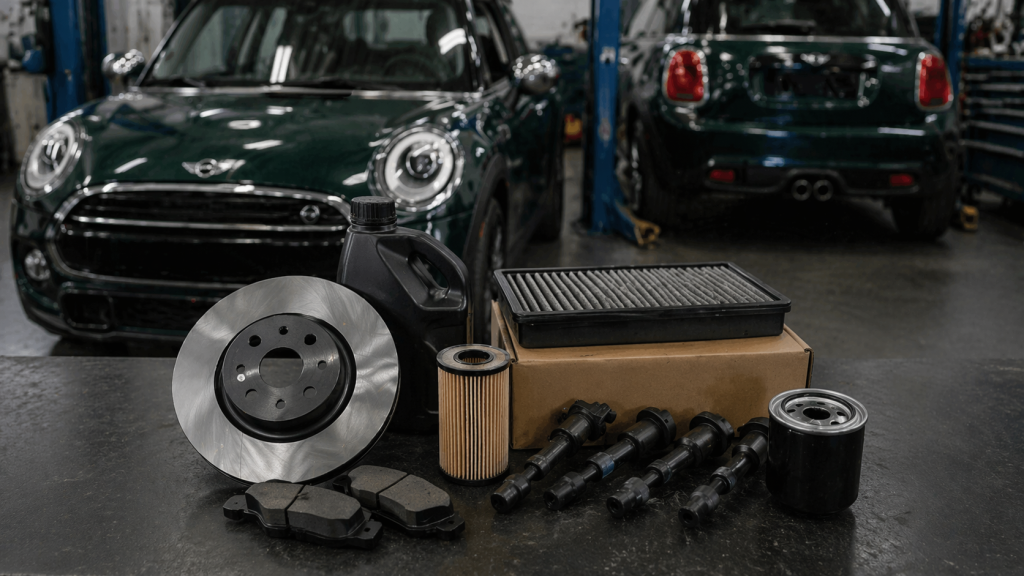
Small car. Big decisions. When it comes to replacing parts on your MINI, the choice between OEM and aftermarket is not just about price. It is about how your MINI is designed to work and how each component fits into that experience. Every MINI is built with intention, where compact engineering meets precise performance. The parts you choose directly affect how that system behaves over time. Understanding the difference is what turns a simple repair into a smarter ownership decision. Is it better to use OEM or aftermarket MINI parts OEM MINI parts are components built to match the exact specifications of your MINI’s original design. These parts are engineered to fit, function, and perform exactly as intended within the vehicle’s system. MINI designs each component with tight tolerances. That means every part is shaped, measured, and tested to align with how the vehicle operates as a complete system. From engine components to sensors and braking systems, OEM parts are created to work in sync with MINI’s engineering. This system level approach means: more Parts fit exactly without modification Components interact correctly with onboard systems Performance remains consistent with original design When you install an OEM MINI part, you are not just replacing a component. You are maintaining how the vehicle was designed to drive. For Jacksonville drivers navigating city traffic, stop and go conditions, and coastal humidity, this consistency matters. It keeps your MINI feeling responsive, efficient, and reliable in everyday driving. Are aftermarket MINI parts worth it Aftermarket MINI parts are produced by third party manufacturers and are not built specifically to MINI’s exact engineering standards. This means quality, fitment, and performance can vary depending on the manufacturer. Some aftermarket parts aim to replicate OEM specifications, while others prioritize cost savings. This variation creates a range of outcomes. From a system perspective: Materials may differ from OEM standards Fitment may not be exact Performance may vary under real driving conditions Because MINI vehicles rely on precise engineering, even small differences can influence how the system behaves. A component that does not align perfectly can affect performance, wear patterns, or system communication. This does not mean all aftermarket parts are low quality. It means the consistency is not guaranteed in the same way OEM parts are. For MINI owners, the key question is not whether aftermarket parts are cheaper. It is whether they maintain the experience your MINI was designed to deliver. How part choice impacts long term performance Part selection directly affects how your MINI performs over time because every component contributes to the overall system. MINI vehicles are engineered to feel agile, connected, and responsive. That experience depends on each part working within its intended parameters. OEM parts support long term performance by: Maintaining precise fitment and alignment Using materials designed for MINI driving conditions Supporting consistent interaction with vehicle systems When aftermarket parts are introduced, performance can vary depending on how closely they match these standards. Potential long term impacts include: Increased wear if materials differ from original specifications Changes in driving feel due to altered system response Reduced efficiency if components do not perform consistently These differences often appear gradually. A part may function initially but behave differently as it experiences heat, stress, and repeated use. For Jacksonville drivers, where humidity and temperature can influence component wear, maintaining consistent performance becomes even more important. The right part choice helps preserve how your MINI handles daily driving conditions. Are OEM MINI parts worth the higher cost OEM MINI parts typically cost more upfront because they are designed, tested, and manufactured to match the vehicle’s original engineering. This cost reflects the level of precision and consistency built into each component. The value of OEM parts becomes clearer when viewed over time. When evaluating cost, consider: How long the part is expected to last How it affects surrounding components Whether it maintains overall vehicle performance OEM parts often reduce variability. This can mean fewer unexpected issues, more predictable maintenance, and a driving experience that remains consistent. Aftermarket parts may offer lower upfront pricing, but variability can introduce additional costs if performance is inconsistent or components wear differently. For MINI owners, the decision is not just about saving money today. It is about preserving how the vehicle performs over time. Choosing OEM parts supports the way your MINI was built to move. It keeps that go kart like feeling intact, ensuring every drive still feels like it was designed to be.

MINI Cooper Maintenance Schedule Explained: Oil, Brake, and Inspection Intervals

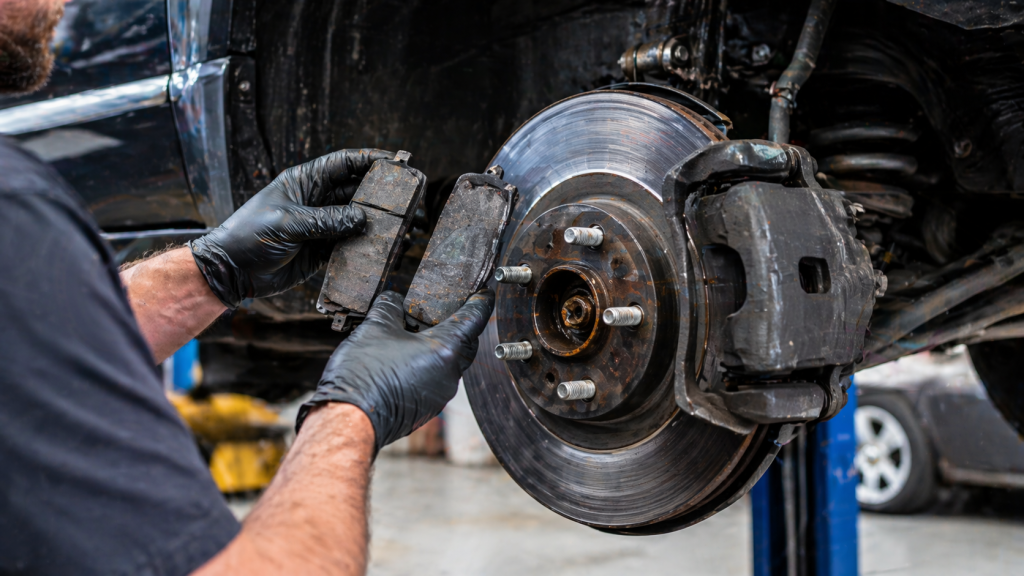
A MINI Cooper maintenance schedule is not built around fixed mileage alone. It is driven by a system that monitors how the vehicle is used, how components are performing, and how quickly wear is occurring under real conditions. For MINI owners, this creates a different type of maintenance experience. Instead of following a rigid schedule, service timing is calculated based on how the vehicle operates day to day. Understanding how this system works is what turns service reminders into something you can trust. Oil changes, brake service, and inspections are all tied to how the vehicle is driven, not just how far it has traveled. What is the MINI Cooper maintenance schedule The MINI Cooper maintenance schedule is a Condition Based Service system that uses vehicle data to determine when maintenance is required. This system replaces traditional fixed intervals with predictive calculations based on real-time inputs. At a system level, MINI integrates sensors and control modules to monitor component performance. These systems track how the engine operates, how braking components wear, and how driving conditions affect overall vehicle health. The Condition Based Service system evaluates: Engine operating conditions such as temperature and load Driving patterns including trip length and frequency Component wear levels across key systems This data is processed through onboard algorithms that estimate remaining service life for specific components. The vehicle then communicates this information through its onboard interface, displaying when service is due for items like oil changes, brake pads, and inspections. For MINI owners, this means the maintenance schedule is not a static timeline. It is a dynamic system that adapts to how the vehicle is actually used. How often does a MINI need an oil change A MINI oil change interval is determined by monitoring how the engine operates rather than relying on a fixed mileage threshold. The system evaluates how quickly the oil is degrading based on real driving conditions. Oil degradation is influenced by several factors: Engine temperature cycles during operation Frequency of short trips and cold starts Engine load during acceleration and driving conditions Duration of engine operation over time The MINI system uses these inputs to calculate when the oil is no longer performing at the required level. Instead of measuring oil condition directly, it estimates degradation through patterns in engine behavior. In practical terms: Frequent short trips can accelerate oil degradation Consistent highway driving can extend oil life Higher engine load increases oil stress For MINI owners, this means oil change intervals can vary. Two vehicles driven differently will not follow the same schedule. The system is designed to ensure oil is replaced when needed, not simply when a mileage target is reached. How brake and inspection intervals are calculated Brake service and inspection intervals in a MINI Cooper are determined through a combination of sensor data and system monitoring. Unlike traditional schedules that estimate wear based on mileage, MINI uses physical sensors to measure brake pad condition directly. Brake wear sensors are embedded within the brake pads. As the pads wear down, the sensor provides feedback to the vehicle’s system, allowing it to estimate remaining brake life. This creates a more accurate prediction of when replacement is required. The system also considers: Driving style and braking intensity Frequency of stop and go driving Load conditions that affect braking force Inspection intervals are tied to overall vehicle monitoring. The system tracks when key components should be evaluated based on usage patterns and time. For MINI owners, this means: Brake service is based on actual wear, not estimates Inspection timing reflects real vehicle conditions Maintenance is aligned with how the vehicle is driven This approach improves both safety and efficiency by ensuring components are serviced at the right time. How often does a MINI need service MINI service intervals represent calculated maintenance timing based on real-world driving conditions. This changes how owners should think about routine service. Instead of asking how many miles between services, the focus shifts to understanding system feedback. The vehicle continuously evaluates its own condition and provides recommendations based on data. Key implications include: Service timing adapts to individual driving habits Maintenance is performed when needed rather than on a fixed schedule Long-term vehicle performance is supported through accurate timing For MINI owners, the system is designed to balance performance, efficiency, and reliability. It ensures that maintenance is neither performed too early nor delayed beyond what the vehicle requires. Understanding this system provides clarity. It explains why service intervals may differ and how the vehicle determines what it needs. When viewed this way, the MINI maintenance schedule becomes a tool for maintaining vehicle health rather than a source of uncertainty.

2026 MINI Countryman ALL4 vs Volkswagen Taos – MINI’s Expressive SUV vs VW’s Practical Contender

Compact SUVs have become one of the most competitive segments in the automotive world. Drivers want versatility, technology, and confidence in changing road conditions, but they also want something that feels engaging behind the wheel. That is exactly where the 2026 MINI Countryman ALL4 and the Volkswagen Taos enter the conversation. Many shoppers researching these two vehicles are trying to answer a simple question: which compact SUV offers the better balance of performance, capability, and everyday usability? The answer depends on what kind of driving experience you want. The Volkswagen Taos focuses on practicality and efficiency, while the 2026 MINI Countryman ALL4 emphasizes expressive design, responsive driving dynamics, and all weather confidence. Understanding how these SUVs differ helps explain why the Countryman often stands out for drivers who want more personality in their daily drive. Compact SUV Philosophy: Expressive vs Practical Design Many drivers comparing the 2026 MINI Countryman ALL4 and the Volkswagen Taos ask which compact SUV delivers the better overall driving experience. The Volkswagen Taos is designed around practicality. Its interior space, fuel efficiency, and straightforward layout appeal to drivers who want a simple and functional compact SUV. The 2026 MINI Countryman ALL4 approaches the segment differently. MINI designs vehicles to be expressive and engaging, which means the Countryman focuses on how the SUV feels from the driver’s seat. The steering response, suspension tuning, and overall driving character are all designed to deliver a lively and responsive experience. more This difference in philosophy is visible in the vehicle design as well. The MINI Countryman blends SUV capability with distinctive styling and a driver focused interior that feels both modern and energetic. For drivers who want their vehicle to feel as exciting as it is practical, the Countryman offers a unique personality in the compact SUV category. Turbocharged Engine Performance in the Countryman and Taos Both vehicles rely on turbocharged engines, but the way those engines deliver power creates noticeable differences on the road. A turbocharged engine uses exhaust gases to spin a turbine that compresses incoming air before it enters the combustion chamber. By forcing more air into the engine, the turbocharger allows the engine to burn more fuel and generate greater power without increasing engine size. The 2026 MINI Countryman turbocharged engine is designed to deliver quick acceleration and strong low end torque. Torque refers to the rotational force that moves the vehicle forward, and higher torque at lower engine speeds creates more immediate responsiveness when accelerating. For drivers merging onto highways or navigating busy city traffic, this responsive power delivery makes the MINI Countryman feel energetic and confident. The Volkswagen Taos also uses a turbocharged engine designed to balance efficiency with performance. However, the Countryman’s tuning emphasizes a more engaging driving experience with stronger acceleration characteristics. How the 2026 MINI Countryman ALL4 System Enhances Traction One of the defining features of the 2026 MINI Countryman is the ALL4 all wheel drive system. Many drivers researching compact SUVs ask how all wheel drive systems actually improve traction and stability. The MINI Countryman ALL4 system is an intelligent drivetrain that distributes engine power between the front and rear wheels depending on road conditions. Under normal driving conditions, the system sends most power to the front wheels to maintain efficiency. When sensors detect wheel slip or reduced traction, the system automatically redirects torque to the rear wheels to improve grip. This torque distribution helps the 2026 MINI Countryman maintain stability in a variety of situations: • Rain soaked roads • Loose gravel surfaces • Uneven pavement • Slippery winter conditions Because the system operates automatically, drivers do not need to manually activate it. The MINI Countryman continuously analyzes traction conditions and adjusts power delivery in real time. For drivers who want confidence in changing weather conditions, the ALL4 system provides a major advantage. Interior Layout and Cargo Flexibility Interior design plays a major role in how practical a compact SUV feels in everyday use. While cargo volume numbers often appear similar on paper, the layout of the interior can influence how usable that space actually is. The 2026 MINI Countryman interior emphasizes flexibility. The rear seats can fold down to expand cargo space, allowing drivers to adapt the cabin for groceries, luggage, or larger items. Interior layout also influences passenger comfort. The Countryman provides a spacious seating arrangement that makes it easier for passengers to stretch out during longer drives. Drivers comparing compact SUVs often evaluate several interior factors: • rear passenger legroom • cargo access and liftgate design • rear seat folding configurations • storage areas for everyday items The MINI Countryman interior blends practical space with distinctive design elements that make the cabin feel modern and engaging rather than purely utilitarian. Which Compact SUV Matches Your Driving Personality Choosing between the Volkswagen Taos and the 2026 MINI Countryman ALL4 ultimately depends on what you want your SUV to feel like on the road. The Taos delivers solid practicality and efficiency for everyday driving. The 2026 MINI Countryman ALL4 adds something extra to the experience. With responsive steering, lively turbocharged performance, and intelligent all wheel drive capability, the Countryman transforms daily driving into something more engaging. Drivers comparing compact SUVs often evaluate several key characteristics: • engine responsiveness and acceleration • traction capability in changing weather • driving dynamics and steering feel • interior comfort and cargo flexibility For drivers who want their compact SUV to feel expressive, capable, and genuinely fun to drive, the 2026 MINI Countryman ALL4 stands out as the more exciting choice. It combines SUV versatility with the unmistakable spirit that has always defined MINI. Because sometimes practicality is important. But personality makes the drive unforgettable.

MINI Convertible Lease vs APR in 2026: Seasonal Pricing, Incentives, and Everyday Ownership Value

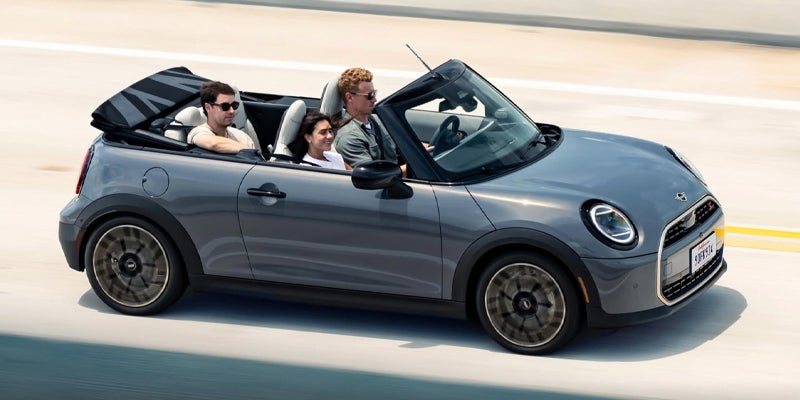
The 2026 MINI Convertible is designed for drivers who want every trip to feel like an event. Drop the top, let the sun in, and suddenly a quick run across town feels like a small adventure. But before that first open air drive, many shoppers find themselves deciding how they want to pay for the experience. One of the most common questions drivers ask when researching the 2026 MINI Convertible is whether it makes more sense to lease the car or finance it with a traditional auto loan. Both options can make sense depending on how long you plan to keep the vehicle, how often you like to upgrade cars, and how important long term ownership is to you. Understanding how leasing and financing actually work helps make the decision much easier. How Leasing a 2026 MINI Convertible Works Leasing a vehicle is essentially paying for the portion of the car you use during a fixed period of time rather than paying for the entire vehicle. A vehicle lease is a financing agreement where the driver pays for the depreciation of the vehicle over the lease term instead of the full purchase price. For example, if a vehicle is expected to lose a certain amount of value over three years, the lease payment covers that predicted depreciation along with financing charges and fees. The 2026 MINI Convertible lease payment is calculated using several factors: more • The starting price of the vehicle • The expected depreciation during the lease term • The residual value at the end of the lease • The financing rate used for the lease • The lease length, typically 36 months Residual value refers to the predicted value of the vehicle when the lease ends. Because MINI vehicles often retain strong resale value, the residual value can remain relatively high. That means the depreciation portion of the lease can be lower than many drivers expect. This is why leasing a 2026 MINI Convertible often results in lower monthly payments compared with financing the entire vehicle. For drivers who enjoy upgrading vehicles every few years, leasing can also provide a flexible path to driving newer models as technology and design evolve. Understanding APR Financing for the MINI Convertible Financing the 2026 MINI Convertible works differently. Instead of paying for depreciation over a short period of time, financing spreads the full purchase price across a loan term. APR stands for Annual Percentage Rate. APR represents the yearly cost of borrowing money to purchase the vehicle. When financing a vehicle, the monthly payment includes two primary components: • Principal, which is the amount applied toward the vehicle price • Interest, which is the cost of borrowing the money The interest portion of the payment depends on the APR rate and the loan term length. A longer loan term usually results in lower monthly payments, but the total interest paid over time can increase. For drivers planning to keep their vehicle long term, financing can make sense because once the loan is paid off, the vehicle becomes an owned asset. Drivers can continue enjoying the 2026 MINI Convertible without monthly payments. Financing also allows for unlimited mileage and greater customization since the driver owns the vehicle rather than returning it at the end of a lease. How Seasonal Incentives Affect Convertible Pricing Convertible ownership tends to follow the rhythm of the seasons. As warmer weather approaches, interest in open air driving naturally increases. This seasonal demand can influence MINI Convertible lease promotions and financing incentives throughout the year. Spring and early summer are often when shoppers begin researching convertibles again after winter months. During these periods, manufacturers sometimes introduce promotional lease offers or special financing programs designed to encourage drivers to step into a new vehicle just as convertible weather arrives. These incentives may include: • Promotional lease rates • Reduced down payment offers • Special APR financing programs • seasonal lease campaigns for convertibles Because incentives can vary from year to year, many drivers researching the 2026 MINI Convertible watch for seasonal promotions before making a decision. Long Term Ownership Value: Lease vs Loan Drivers comparing lease and financing options often want to understand how each approach affects long term ownership value. Leasing typically offers lower monthly payments because the driver is paying only for the vehicle’s depreciation during the lease term. However, once the lease ends, the vehicle is returned unless the driver chooses to purchase it at the residual value. Financing generally results in higher monthly payments because the entire vehicle price is included in the loan. But when the loan is completed, the driver owns the vehicle outright. Drivers comparing payment structures often evaluate several factors: • monthly payment expectations • total ownership timeline • long term cost of interest • flexibility to upgrade vehicles • mileage and driving habits For drivers who enjoy driving the latest designs and technology, leasing the 2026 MINI Convertible may align well with that lifestyle. Drivers who prefer long term ownership often choose financing because it eventually eliminates monthly payments altogether. Choosing the Right MINI Convertible Payment Strategy The 2026 MINI Convertible delivers something unique in the automotive world. It blends expressive design with open air driving in a way few vehicles can match. Choosing how to pay for it simply depends on how you plan to enjoy the experience. Leasing the 2026 MINI Convertible can offer flexibility and lower monthly payments, especially for drivers who enjoy stepping into a new vehicle every few years. Financing the MINI Convertible can make sense for drivers who plan to keep the car long term and build ownership value over time. Either way, the result is the same. A car designed to turn everyday drives into something memorable. With the roof down and the road ahead, the MINI Convertible reminds you that sometimes the best part of driving is simply enjoying the ride.

2026 MINI Hardtop 2 Door vs Toyota GR Corolla – Personality vs Power in the Hot Hatch Scene

Hot hatches have always been about more than speed. They are compact cars with big personalities, designed to make everyday driving feel alive. When drivers compare the 2026 MINI Hardtop 2 Door and the Toyota GR Corolla, the conversation often begins with horsepower and acceleration numbers. But the real difference between these two cars shows up the moment you turn the steering wheel. Both vehicles represent different philosophies of performance. The Toyota GR Corolla leans toward rally inspired power and traction. The 2026 MINI Hardtop 2 Door focuses on responsiveness, personality, and the kind of agile driving feel that has defined MINI for generations. Understanding how these approaches differ helps explain why the MINI Hardtop remains one of the most distinctive hot hatches on the road. Hot Hatch Philosophy: Performance vs Personality Many drivers comparing the 2026 MINI Hardtop 2 Door and the Toyota GR Corolla ask which hot hatch is faster and which one is more fun to drive. The answer depends on what kind of driving experience you value. The Toyota GR Corolla is engineered with track inspired performance in mind. Its all wheel drive system and turbocharged engine deliver strong acceleration and traction when pushing the car hard. more The 2026 MINI Hardtop 2 Door takes a different path. MINI engineers focus on driver connection and agility, creating a car that feels playful and responsive at everyday speeds. Rather than chasing pure horsepower numbers, the MINI Hardtop emphasizes balance, steering feedback, and compact proportions that make every corner feel engaging. For many drivers, that personality becomes the defining feature. The MINI Hardtop turns routine drives into something more memorable, whether you are navigating tight city streets or winding back roads. Turbocharged Engine Design and Power Delivery Both vehicles rely on turbocharged engines, but the way those engines deliver power creates different driving experiences. The 2026 MINI Hardtop 2 Door turbocharged engine uses a turbine driven by exhaust gases to force additional air into the combustion chamber. By increasing the amount of air entering the engine, the turbocharger allows the engine to burn more fuel and produce more power without increasing engine size. This design produces strong low end torque, which means the MINI Hardtop responds quickly when you press the accelerator. The result is a lively driving feel that makes merging onto highways and accelerating out of corners feel quick and effortless. The Toyota GR Corolla engine also uses turbocharging, but it is tuned for higher peak performance. Its three cylinder turbocharged engine produces impressive horsepower for a compact hatchback. For drivers comparing the two cars, the difference often comes down to how the power feels on the road. The 2026 MINI Hardtop 2 Door emphasizes smooth, immediate response that keeps the driving experience playful and energetic. How Chassis Design Influences Handling and Driving Feel Handling is where the 2026 MINI Hardtop 2 Door truly stands apart. MINI vehicles are famous for what enthusiasts call go kart handling, and that reputation comes from a combination of engineering choices. The MINI Hardtop uses a short wheelbase and a wide stance to create quick directional changes. Wheelbase refers to the distance between the front and rear wheels. A shorter wheelbase allows the car to rotate more quickly when turning, which makes the vehicle feel agile in tight corners. Steering tuning also plays a major role. The 2026 MINI Hardtop steering system is calibrated to provide immediate response when the driver turns the wheel. This responsiveness creates a direct connection between the driver and the road. Lightweight construction contributes to this agility as well. When a vehicle carries less weight, it can change direction more easily and maintain balance during cornering. For drivers who value a lively driving experience, these characteristics give the MINI Hardtop its signature personality. Drivetrain Differences: AWD vs Front Wheel Drive Dynamics One of the biggest technical differences between the Toyota GR Corolla and the 2026 MINI Hardtop 2 Door involves drivetrain layout. The GR Corolla uses an all wheel drive system that distributes power to both the front and rear wheels. This improves traction during hard acceleration and helps the car maintain stability when driving aggressively. The 2026 MINI Hardtop 2 Door uses a front wheel drive layout, which prioritizes steering precision and lightweight efficiency. Because the front wheels handle both steering and power delivery, the vehicle maintains a direct and responsive feel when cornering. Each drivetrain design offers advantages. All wheel drive systems help maximize traction during high power acceleration or slippery road conditions. Front wheel drive systems often provide sharper steering feedback and lower overall vehicle weight. For drivers who value engagement behind the wheel, the 2026 MINI Hardtop 2 Door front wheel drive setup enhances the sense of connection between driver input and vehicle response. Which Hot Hatch Fits Your Driving Style Choosing between the 2026 MINI Hardtop 2 Door and the Toyota GR Corolla ultimately comes down to what kind of driving experience you want from a hot hatch. Drivers comparing these vehicles often evaluate several factors: • Steering responsiveness and cornering agility • Engine power delivery and acceleration feel • Drivetrain layout and traction characteristics • Everyday driving comfort and practicality The Toyota GR Corolla leans toward track inspired performance and rally style traction. The 2026 MINI Hardtop 2 Door focuses on playful agility, expressive design, and the unmistakable feeling of driving something that refuses to blend in. That spirit has always defined MINI. Small car. Big character. And when the road curves ahead, the MINI Hardtop reminds you why hot hatches became beloved in the first place.

2026 MINI Countryman ALL4 Safety & Driver Assistance Guide – Jacksonville, FL: Confidence for Every Adventure

The 2026 MINI Countryman proves that safety does not need to feel serious or complicated. MINI has always believed a car should make driving fun, expressive, and personal. The Countryman simply adds another layer to that philosophy by surrounding every drive with technology that watches the road, monitors your surroundings, and quietly helps you stay in control. Many shoppers researching the 2026 MINI Countryman ask what safety features the vehicle includes and how driver assistance technology actually works. The answer goes far beyond a checklist of alerts and sensors. The 2026 MINI Countryman combines predictive safety systems, intelligent camera monitoring, and the ALL4 all wheel drive system to help drivers navigate city streets, highways, and changing road conditions with confidence. Understanding how these systems work can make it easier to evaluate whether the Countryman fits your lifestyle and driving habits. Active Safety Technology in the 2026 MINI Countryman The 2026 MINI Countryman safety suite focuses on what engineers call active safety. Active safety systems are designed to prevent accidents before they happen by monitoring traffic, road conditions, and driver behavior. Unlike passive safety features such as airbags or reinforced body structures, active systems continuously analyze the environment around the vehicle. The 2026 MINI Countryman Driving Assistant package uses radar sensors and forward facing cameras to track surrounding traffic. These sensors measure distance, speed differences, and vehicle movement patterns to detect potential hazards. The system can identify situations such as: more • Rapidly slowing traffic ahead • Vehicles approaching from the driver’s blind spot • Unintentional lane drifting • Obstacles appearing in the vehicle’s path When the system detects a risk, it alerts the driver with visual warnings on the instrument display and audible alerts. In certain situations, the system can also prepare the braking system or automatically apply braking pressure to reduce the severity of a collision. For drivers navigating busy highways or stop and go traffic, this technology helps create an extra layer of awareness that supports quick decision making. How MINI Driving Assistant Monitors the Road Many drivers researching the 2026 MINI Countryman wonder how driver assistance systems actually detect surrounding vehicles. The answer lies in a network of radar sensors and camera systems placed strategically around the vehicle. The 2026 MINI Countryman Driving Assistant uses forward radar to track vehicles ahead and wide angle cameras to analyze lane markings and traffic movement. These sensors work together to create a digital map of the environment around the vehicle. The system monitors several key driving conditions at once: • Distance to vehicles ahead • Vehicle speed differences in traffic • Lane boundaries and road markings • Pedestrian movement near the vehicle When the system detects a vehicle in the Countryman blind spot, the side mirror warning indicator illuminates to alert the driver before changing lanes. If the driver begins drifting from a lane without signaling, the system can provide steering guidance to help bring the vehicle back into position. By continuously scanning the road environment, the 2026 MINI Countryman driver assistance technology acts like an extra set of eyes that supports safer decision making during everyday driving. How the 2026 MINI Countryman ALL4 System Improves Stability Safety in an SUV is not only about sensors and alerts. Stability and traction play a major role in helping drivers stay in control, especially when weather conditions change. Many drivers researching the 2026 MINI Countryman ask what the ALL4 system means and how it improves safety. The MINI Countryman ALL4 system is an intelligent all wheel drive system that distributes engine power between the front and rear wheels depending on road conditions. Under normal driving conditions, the system prioritizes efficiency by directing most power to the front wheels. When the system detects wheel slip or reduced traction, it automatically shifts power to the rear wheels to improve grip. This torque distribution helps the 2026 MINI Countryman maintain stability in conditions such as: • Rain soaked roads • Loose gravel or sand • Uneven pavement • Sudden acceleration on slippery surfaces Because the system reacts automatically, drivers do not need to manually activate the system. The Countryman simply adjusts power distribution in real time to maintain traction and stability. For drivers exploring coastal roads near Jacksonville or navigating sudden Florida rainstorms, this system helps ensure that the vehicle maintains consistent control. Parking and Surround View Technology in the Countryman Urban driving often presents its own safety challenges. Tight parking spaces, crowded streets, and limited visibility can make maneuvering stressful even for experienced drivers. The 2026 MINI Countryman parking assistant system uses ultrasonic sensors and cameras to detect nearby objects and measure parking spaces. Ultrasonic sensors emit sound waves that bounce off nearby surfaces. By measuring the return time of these sound waves, the system calculates the distance between the vehicle and surrounding objects. When searching for a parking space, the 2026 MINI Countryman parking assistant can detect spaces large enough for the vehicle and guide the driver through the maneuver. In certain situations, the system can automatically control the steering while the driver manages braking and acceleration. The Countryman surround view camera system also provides a digital overhead perspective of the vehicle’s surroundings. This makes it easier to see curbs, obstacles, and nearby vehicles when parking in tight spaces. For drivers navigating busy urban environments, these systems reduce guesswork and help make low speed maneuvering much easier. How Driver Assistance Technology Supports Everyday Driving Safety technology works best when it supports the driver without overwhelming the driving experience. MINI engineers design these systems to feel natural and unobtrusive so drivers stay connected to the road while still benefiting from advanced assistance. The 2026 MINI Countryman combines multiple safety technologies that quietly support everyday driving decisions. Key systems working together include: • Forward collision warning with automatic braking • Blind spot detection with visual alerts • Lane departure warning and steering assistance • Adaptive cruise control for highway driving • Parking assistant with sensor based distance monitoring Each system addresses a different aspect of real world driving, whether it involves monitoring traffic, maintaining lane position, or navigating tight parking areas. For drivers comparing compact SUVs, the 2026 MINI Countryman demonstrates how modern safety technology can enhance both confidence and enjoyment behind the wheel. By combining intelligent driver assistance with the stability of the MINI Countryman ALL4 system, the vehicle creates a driving experience that feels both secure and unmistakably MINI. Small in size. Big on confidence.

2026 MINI Countryman ALL4 vs Volkswagen Taos – Wesley Chapel, FL: MINI’s Expressive SUV vs VW’s Practical Contender

Compact SUV shoppers often find themselves choosing between two very different philosophies. The 2026 MINI Countryman ALL4 and the Volkswagen Taos occupy similar size and price territory, yet they approach daily driving, design, and capability from opposite directions. One prioritizes expression and engagement. The other focuses on efficiency and straightforward usability. Understanding how those priorities translate to real world driving helps clarify which SUV fits your lifestyle. Two Compact SUVs Built for Different Mindsets The MINI Countryman ALL4 is engineered to feel engaging and composed, even when conditions change. Steering response, chassis balance, and traction management are tuned to make the driver feel connected and confident. The Volkswagen Taos is designed around simplicity and practicality. Its strengths lie in efficient packaging, easy controls, and predictable behavior that fades into the background during daily use. Both approaches are valid. They simply serve different expectations. more Powertrain and Drivetrain Philosophy Drivetrain choice is one of the most meaningful differences between these two SUVs. The Countryman ALL4 uses an all wheel drive system designed to actively manage traction. Power distribution adjusts in real time, supporting confident acceleration and stability when roads are wet or uneven. The Taos is most commonly configured with front wheel drive, emphasizing efficiency and reduced complexity. Traction is sufficient for normal conditions, but the experience is tuned for predictability rather than engagement. Real world implications include: ALL4 improves traction during acceleration and cornering in low grip conditions Front wheel drive prioritizes fuel efficiency and simplicity AWD supports confident highway merging in heavy rain FWD feels lighter and neutral during steady cruising For Florida drivers who regularly encounter sudden downpours, ALL4 adds reassurance where traction matters most. Driving Experience and Chassis Behavior Driving feel separates these SUVs more than specifications do. The Countryman feels planted and responsive. Steering inputs are met with immediate reaction, and the chassis communicates grip levels clearly. The result is a compact SUV that feels composed and controlled rather than isolated. The Taos delivers a calmer, more relaxed demeanor. Steering is light, suspension tuning favors comfort, and the vehicle prioritizes smoothness over feedback. Drivers who value steering feel, confident cornering, and a sense of connection to the road often gravitate toward the Countryman. Drivers who prefer minimal effort and subdued behavior often feel comfortable in the Taos. Interior Design and Driver Environment Interior philosophy reflects brand identity. The Countryman’s cabin is expressive and driver focused. Controls are arranged to feel intentional, visibility is strong, and materials emphasize character alongside quality. The interior reinforces engagement rather than neutrality. The Taos interior is clean and functional. Layout prioritizes ease of use, storage, and clarity. Materials are chosen for durability and simplicity rather than personality. Key differences include: Driver focused layout versus neutral design Expressive materials versus restrained finishes Engaging environment versus unobtrusive space Neither approach is inherently wrong, but they appeal to different priorities. Space, Packaging, and Practicality Both vehicles make efficient use of their compact footprints, though their priorities differ. The Taos emphasizes interior volume and straightforward cargo access, designed to accommodate daily errands and passengers with minimal complication. The Countryman balances space with structure. While still practical, its layout preserves chassis rigidity and driving dynamics alongside usability. For most shoppers, both provide adequate room. The deciding factor becomes how that space integrates with the driving experience. Technology and Everyday Interaction Technology integration also reflects differing philosophies. The Countryman integrates technology as part of the driving experience, keeping interfaces engaging without overwhelming the driver. The Taos prioritizes straightforward interaction, keeping systems simple and easy to learn. Drivers who enjoy interacting with their vehicle often prefer the Countryman’s approach. Drivers who want technology to stay out of the way often prefer the Taos. Ownership Expectations and Long Term Satisfaction Long term satisfaction is shaped by how a vehicle feels over time. The Countryman appeals to drivers who value engagement, individuality, confidence in changing conditions, and a compact SUV that feels dynamic. The Taos appeals to drivers who prioritize efficiency, simplicity, predictable ownership, and understated design. Understanding which mindset aligns with your lifestyle matters more than choosing based on specifications alone. Why the MINI Countryman ALL4 Ultimately Delivers More When these two compact SUVs are evaluated beyond surface level specifications, the difference becomes clear in everyday driving rather than on a comparison chart. The Volkswagen Taos succeeds as a straightforward, efficient option built around practicality, but the MINI Countryman ALL4 goes further by delivering confidence, engagement, and long term satisfaction that extends beyond basic transportation. ALL4 is not an add on feature but a foundational element of how the Countryman behaves, actively managing power distribution in real world Florida conditions such as heavy rain, highway merging, and uneven traction. That capability creates a level of composure and confidence that front wheel drive competitors cannot fully replicate. The Countryman’s advantage extends beyond traction alone. Its chassis tuning, steering calibration, and driver focused interior create a connected, intentional driving experience that remains consistent over time. Rather than isolating the driver, the Countryman provides feedback and control without sacrificing comfort, making daily driving feel purposeful instead of purely functional. While the Taos prioritizes neutrality and simplicity, the Countryman balances practicality with personality, offering an SUV that continues to feel engaging long after purchase. For drivers who want everyday usability paired with confidence and character, the Countryman ALL4 stands out as the more complete and rewarding choice.

2026 MINI Hardtop 4 Door Lease & APR Guide: Compact Efficiency, Practical Features, and Smart Monthly Payments

Choosing between leasing and financing a compact car is less about chasing the lowest number and more about matching payment structure to how the vehicle will actually be used. The 2026 MINI Hardtop 4 Door sits in a unique space where efficiency, predictable wear, and everyday usability shape how both lease and APR options perform over time. Understanding those mechanics helps shoppers choose a path that stays comfortable month after month. MINI approaches compact design with intention. The Hardtop 4 Door is built to be driven daily, parked easily, and used efficiently. Those characteristics influence how leasing and financing behave in real ownership scenarios. How Leasing Works for the MINI Hardtop 4 Door A lease is a closed end agreement that pays for the portion of the vehicle used during the term rather than the full value. Monthly payments are influenced by residual value, term length, mileage allowance, and money factor. Compact vehicles like the Hardtop 4 Door often lease efficiently because: Vehicle weight and size reduce wear exposure Fuel efficiency supports consistent daily use Depreciation is more controlled over short ownership windows Interior and exterior components age predictably For drivers who prefer structured ownership with a clear exit plan, leasing can offer consistency without long term commitment. more Why the Hardtop 4 Door Fits Leasing Well The four door configuration adds practicality without adding excess mass. That balance matters in lease scenarios. Lease friendly characteristics include: Predictable mileage accumulation for commuters Lower tire and brake wear compared to larger vehicles Easy maneuverability that reduces cosmetic wear Efficient packaging that supports daily routines Drivers with stable commuting patterns often find it easier to select mileage allowances accurately, which reduces end of lease surprises. Mileage Planning and Lease Confidence Mileage is the most common point of lease regret. Choosing the right allowance is critical. Before selecting a lease, shoppers should consider: Daily commute distance multiplied over three years Weekend and lifestyle driving habits Urban versus highway driving balance Anticipated changes in routine The Hardtop 4 Door’s efficiency encourages daily driving, but that also means mileage can accumulate quietly. Planning conservatively tends to preserve peace of mind at turn in. End of Lease Options Explained At lease end, drivers typically have three choices. Return the vehicle and transition to something new Purchase the vehicle at the predetermined residual value Explore lease equity if market conditions support it Because compact vehicles often maintain steady demand, buyout decisions can be appealing for drivers who grow attached to their car and want to extend ownership. How APR Financing Works Financing through an APR based loan means paying for the entire vehicle over time. Ownership transfers fully to the driver once the loan is complete. APR financing favors drivers who: Plan to keep their vehicle long term Drive higher than average mileage Want flexibility without contractual limits Prefer building equity over time While monthly payments may be higher initially, financing removes mileage caps and end of term decisions. APR Versus Total Cost Perspective APR percentage is only part of the picture. Loan term length and usage matter just as much. Shorter loan terms: Reduce total interest paid Increase monthly payments Build equity faster Longer loan terms: Lower monthly payments Increase total interest Extend depreciation exposure Compact vehicles like the Hardtop 4 Door often suit shorter or mid length terms because operating costs remain manageable over time. Lease Versus Finance in Daily Use The best option depends on how the vehicle fits into daily life. Leasing often works well for drivers who: Want predictable monthly costs Prefer newer technology cycles Drive consistent mileage Enjoy changing vehicles every few years Financing often suits drivers who: Drive more than average Want long term ownership flexibility Prefer keeping a vehicle beyond five years Plan to customize or modify their car Neither option is universally better. The right choice depends on how ownership priorities align with payment structure. Efficiency and Ownership Economics The Hardtop 4 Door’s efficiency influences both lease and finance decisions. Benefits include: Lower fuel costs over time Reduced strain on consumable components Consistent daily usability Predictable maintenance needs These traits help keep total ownership cost stable regardless of payment path. Wear and Condition Considerations Lease agreements account for normal wear but not excessive use. Compact vehicles naturally experience less stress in daily driving. Advantages include: Lower likelihood of wheel and tire damage Reduced suspension wear Manageable interior aging Easier parking in tight spaces This makes the Hardtop 4 Door easier to return in good condition at lease end. Choosing the Right Payment Strategy Before deciding, shoppers should evaluate: How long they plan to keep the vehicle Annual mileage expectations Desire for payment predictability Comfort with end of term decisions When payment structure matches lifestyle, ownership feels simple rather than restrictive. Smart Payments for a Compact Lifestyle The 2026 MINI Hardtop 4 Door offers flexibility in how it can be paid for because its design supports efficient, low stress ownership. Leasing emphasizes predictability and simplicity. Financing emphasizes flexibility and long term value. Understanding how each option behaves helps shoppers choose confidently, guided by how the car will actually be used rather than short term incentives. That practical approach reflects how MINI designs vehicles meant to fit seamlessly into everyday life.

2026 MINI Hardtop 2 Door vs Toyota GR Corolla – Wesley Chapel, FL: Personality vs Power in the Hot Hatch Scene

Hot hatch shoppers are rarely just comparing horsepower numbers. They are comparing how a car feels on a familiar road, how it responds in traffic, and whether the driving experience stays enjoyable beyond the first hard pull. The 2026 MINI Hardtop 2 Door and the Toyota GR Corolla represent two very different interpretations of performance in a compact footprint. One is built around expressive agility and connection. The other is engineered for intensity and traction driven performance. Understanding how these philosophies translate to daily driving is the key to choosing the right hot hatch. Two Performance Philosophies, Two Very Different Experiences The MINI Hardtop 2 Door is engineered around balance, steering feel, and driver engagement at realistic speeds. It emphasizes feedback and responsiveness rather than overwhelming grip. The Toyota GR Corolla is built as a homologation inspired performance hatch. Its focus is power delivery, mechanical grip, and aggressive tuning designed to handle high load situations. Both are quick. They just deliver speed and enjoyment in very different ways. more Powertrain and Drivetrain Behavior The drivetrain is where the personalities begin to diverge. The MINI Hardtop 2 Door uses a front wheel drive layout that prioritizes lightness and immediacy. Power delivery is smooth and predictable, allowing the driver to use more of the car more often without overwhelming traction. The GR Corolla uses a performance focused all wheel drive system designed to maximize grip under acceleration and during hard cornering. That grip comes with added weight and a more rigid feel through the chassis. Key differences in real world driving: Front wheel drive encourages rotation and steering input All wheel drive prioritizes traction and launch stability Lighter drivetrains feel more playful at moderate speeds Heavier AWD systems feel planted but less communicative In everyday traffic, the MINI’s drivetrain feels more accessible and less demanding. Steering and Handling Character Steering feel is where many drivers form an emotional connection to a car. The MINI Hardtop is tuned to communicate road texture and weight transfer clearly. The steering is quick, the chassis reacts immediately, and the car feels eager to change direction. This creates confidence without requiring extreme speed. The GR Corolla delivers a more serious tone. Steering inputs are met with strong grip and stability, but feedback is filtered through a stiffer setup. The car feels capable and composed, but less playful when driven below its limits. Drivers who enjoy: Frequent direction changes Tight corners Urban and suburban roads Often prefer the MINI’s lighter and more communicative approach. Ride Quality and Daily Comfort Hot hatches live most of their lives off track, which makes ride quality and comfort critical. The MINI Hardtop strikes a balance between firmness and compliance. Suspension tuning allows the car to absorb rough pavement without feeling disconnected. The GR Corolla’s performance focus introduces a firmer ride. That stiffness supports aggressive driving but can feel tiring during daily commutes or stop and go traffic. In Florida driving conditions where roads vary and traffic is constant, comfort matters just as much as outright performance. Power Versus Usability The GR Corolla delivers higher output and a more aggressive powerband. That power is thrilling when conditions allow it to shine. The MINI Hardtop delivers power that feels usable more often. Throttle response is immediate, and acceleration feels lively without requiring full commitment. This difference often shapes long term satisfaction: High power cars can feel constrained in traffic Balanced power cars feel enjoyable more frequently Engagement does not always require maximum output Many drivers find that the MINI’s approach keeps driving fun on ordinary roads. Interior Design and Driver Environment Inside the cabin, the contrast continues. The MINI Hardtop emphasizes personality and driver focus. Controls are intuitive, seating is upright, and visibility is strong. The cabin reinforces the idea that driving should feel engaging and lighthearted. The GR Corolla interior reflects its performance mission. It feels purposeful and serious, with fewer playful elements and more emphasis on restraint. Neither is wrong. They simply appeal to different priorities. Ownership Expectations and Long Term Enjoyment Ownership experience goes beyond the test drive. MINI ownership tends to attract drivers who value: Style and individuality Engaging handling at everyday speeds Compact size for urban environments A car that feels fun without effort GR Corolla ownership appeals to drivers who want: Maximum performance from a compact platform Track ready capability Aggressive styling and tuning A more intense driving experience Understanding which mindset aligns with your lifestyle is more important than choosing based on numbers alone. Which Hot Hatch Fits Your Definition of Fun The 2026 MINI Hardtop 2 Door and the Toyota GR Corolla are both engineered with performance in mind, but they define fun in very different ways. The distinction is not simply how much power each delivers, but how often that performance can be enjoyed in everyday driving. The MINI prioritizes agility, steering feel, and personality, creating a car that feels lively and responsive at realistic speeds. The GR Corolla prioritizes power, grip, and intensity, delivering a more aggressive experience that shines when pushed hard but can feel less approachable in daily use. For drivers who value expressive handling, immediacy, and a sense of connection on every drive, the philosophy behind MINI consistently feels more rewarding. While the GR Corolla delivers undeniable capability and rally inspired character, the MINI Hardtop 2 Door makes driving feel engaging more often, turning routine trips into something worth looking forward to. Choosing between them is less about outright speed and more about which car makes every mile feel intentional rather than occasional.

Contact Us

Fill out this form below and we'll contact you shortly
*Required Fields