Blog / Jacksonville MINI Dealer

Blog

All Jacksonville MINI Dealer Tom Bush MINI Jacksonville MINI Service Things To Do In Jacksonville Tom Bush MINI Service Jacksonville Entertainment Jacksonville Amenities Jacksonville Used Cars Jacksonville Eateries Fun in Jacksonville Jacksonville Restaurants Tom Bush Family of Dealerships Jacksonville Kid Friendly Activities Jacksonville Parks Car Necessities MINI Financing Tom Bush MINI Finance Jacksonville Foodies Jacksonville Auto Finance Jacksonville Collision Center MINI Warranty Tom Bush MINI Collision Jacksonville Weddings Things To Do Near Jacksonville Booklovers Jacksonville Brunch Jacksonville Traveling MINI Lease Deals Jacksonville Small Town Fun Stress Free

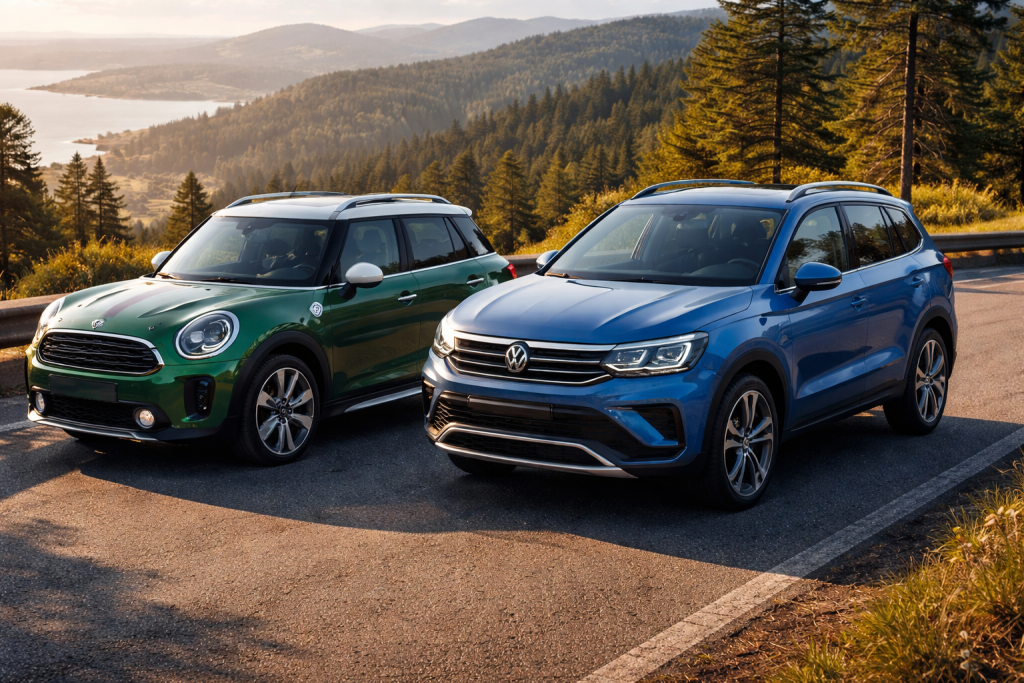
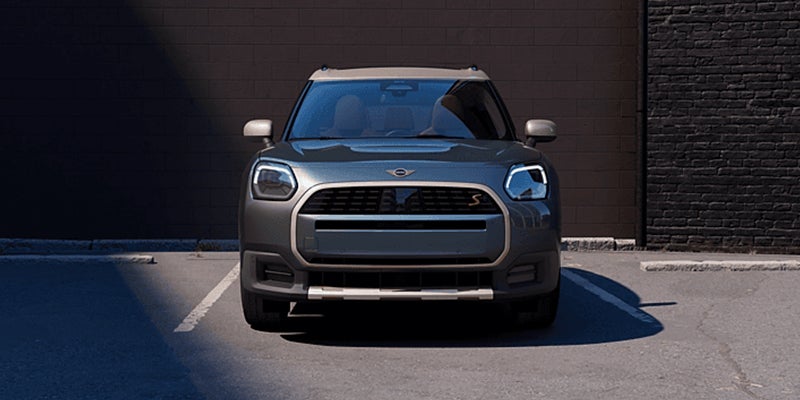
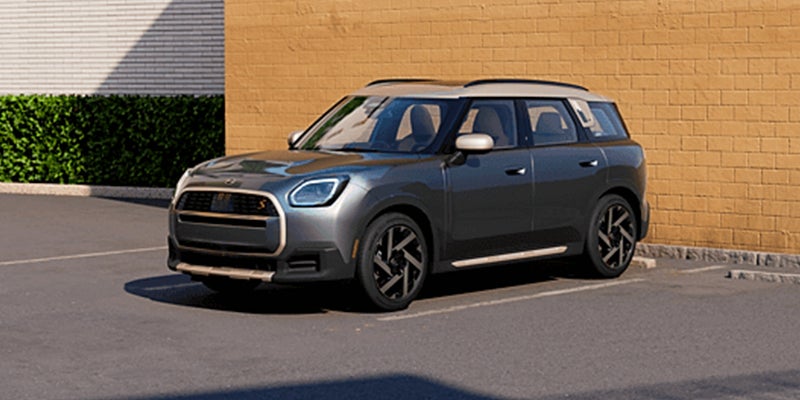
2026 MINI Countryman ALL4 vs Volkswagen Taos – Wesley Chapel, FL: MINI’s Expressive SUV vs VW’s Practical Contender

Compact SUV shoppers often find themselves choosing between two very different philosophies. The 2026 MINI Countryman ALL4 and the Volkswagen Taos occupy similar size and price territory, yet they approach daily driving, design, and capability from opposite directions. One prioritizes expression and engagement. The other focuses on efficiency and straightforward usability. Understanding how those priorities translate to real world driving helps clarify which SUV fits your lifestyle. Two Compact SUVs Built for Different Mindsets The MINI Countryman ALL4 is engineered to feel engaging and composed, even when conditions change. Steering response, chassis balance, and traction management are tuned to make the driver feel connected and confident. The Volkswagen Taos is designed around simplicity and practicality. Its strengths lie in efficient packaging, easy controls, and predictable behavior that fades into the background during daily use. Both approaches are valid. They simply serve different expectations. more Powertrain and Drivetrain Philosophy Drivetrain choice is one of the most meaningful differences between these two SUVs. The Countryman ALL4 uses an all wheel drive system designed to actively manage traction. Power distribution adjusts in real time, supporting confident acceleration and stability when roads are wet or uneven. The Taos is most commonly configured with front wheel drive, emphasizing efficiency and reduced complexity. Traction is sufficient for normal conditions, but the experience is tuned for predictability rather than engagement. Real world implications include: ALL4 improves traction during acceleration and cornering in low grip conditions Front wheel drive prioritizes fuel efficiency and simplicity AWD supports confident highway merging in heavy rain FWD feels lighter and neutral during steady cruising For Florida drivers who regularly encounter sudden downpours, ALL4 adds reassurance where traction matters most. Driving Experience and Chassis Behavior Driving feel separates these SUVs more than specifications do. The Countryman feels planted and responsive. Steering inputs are met with immediate reaction, and the chassis communicates grip levels clearly. The result is a compact SUV that feels composed and controlled rather than isolated. The Taos delivers a calmer, more relaxed demeanor. Steering is light, suspension tuning favors comfort, and the vehicle prioritizes smoothness over feedback. Drivers who value steering feel, confident cornering, and a sense of connection to the road often gravitate toward the Countryman. Drivers who prefer minimal effort and subdued behavior often feel comfortable in the Taos. Interior Design and Driver Environment Interior philosophy reflects brand identity. The Countryman’s cabin is expressive and driver focused. Controls are arranged to feel intentional, visibility is strong, and materials emphasize character alongside quality. The interior reinforces engagement rather than neutrality. The Taos interior is clean and functional. Layout prioritizes ease of use, storage, and clarity. Materials are chosen for durability and simplicity rather than personality. Key differences include: Driver focused layout versus neutral design Expressive materials versus restrained finishes Engaging environment versus unobtrusive space Neither approach is inherently wrong, but they appeal to different priorities. Space, Packaging, and Practicality Both vehicles make efficient use of their compact footprints, though their priorities differ. The Taos emphasizes interior volume and straightforward cargo access, designed to accommodate daily errands and passengers with minimal complication. The Countryman balances space with structure. While still practical, its layout preserves chassis rigidity and driving dynamics alongside usability. For most shoppers, both provide adequate room. The deciding factor becomes how that space integrates with the driving experience. Technology and Everyday Interaction Technology integration also reflects differing philosophies. The Countryman integrates technology as part of the driving experience, keeping interfaces engaging without overwhelming the driver. The Taos prioritizes straightforward interaction, keeping systems simple and easy to learn. Drivers who enjoy interacting with their vehicle often prefer the Countryman’s approach. Drivers who want technology to stay out of the way often prefer the Taos. Ownership Expectations and Long Term Satisfaction Long term satisfaction is shaped by how a vehicle feels over time. The Countryman appeals to drivers who value engagement, individuality, confidence in changing conditions, and a compact SUV that feels dynamic. The Taos appeals to drivers who prioritize efficiency, simplicity, predictable ownership, and understated design. Understanding which mindset aligns with your lifestyle matters more than choosing based on specifications alone. Why the MINI Countryman ALL4 Ultimately Delivers More When these two compact SUVs are evaluated beyond surface level specifications, the difference becomes clear in everyday driving rather than on a comparison chart. The Volkswagen Taos succeeds as a straightforward, efficient option built around practicality, but the MINI Countryman ALL4 goes further by delivering confidence, engagement, and long term satisfaction that extends beyond basic transportation. ALL4 is not an add on feature but a foundational element of how the Countryman behaves, actively managing power distribution in real world Florida conditions such as heavy rain, highway merging, and uneven traction. That capability creates a level of composure and confidence that front wheel drive competitors cannot fully replicate. The Countryman’s advantage extends beyond traction alone. Its chassis tuning, steering calibration, and driver focused interior create a connected, intentional driving experience that remains consistent over time. Rather than isolating the driver, the Countryman provides feedback and control without sacrificing comfort, making daily driving feel purposeful instead of purely functional. While the Taos prioritizes neutrality and simplicity, the Countryman balances practicality with personality, offering an SUV that continues to feel engaging long after purchase. For drivers who want everyday usability paired with confidence and character, the Countryman ALL4 stands out as the more complete and rewarding choice.

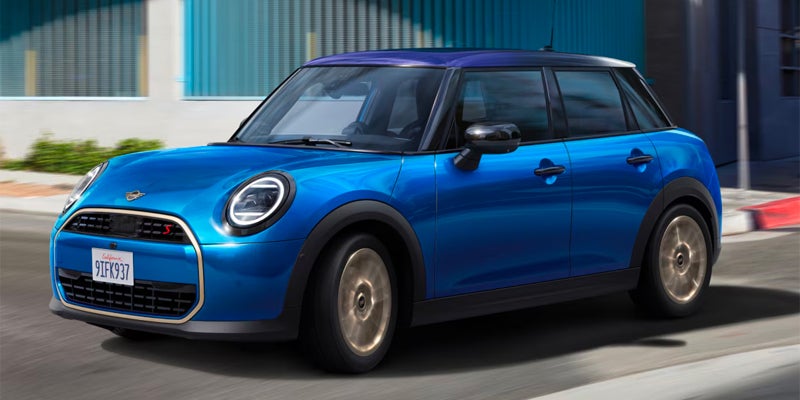
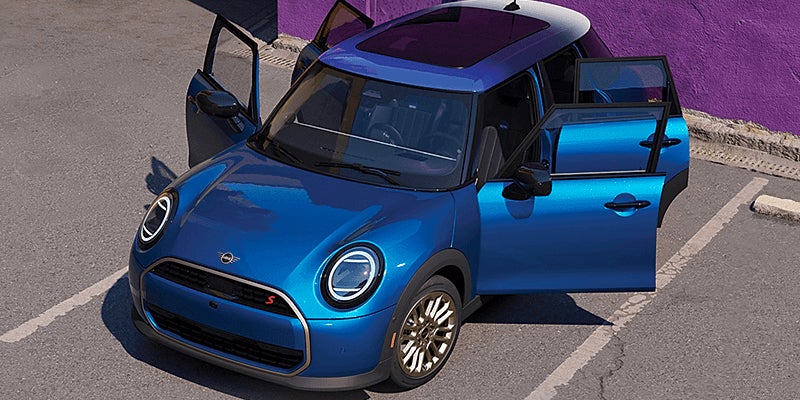
2026 MINI Hardtop 4 Door Lease & APR Guide: Compact Efficiency, Practical Features, and Smart Monthly Payments

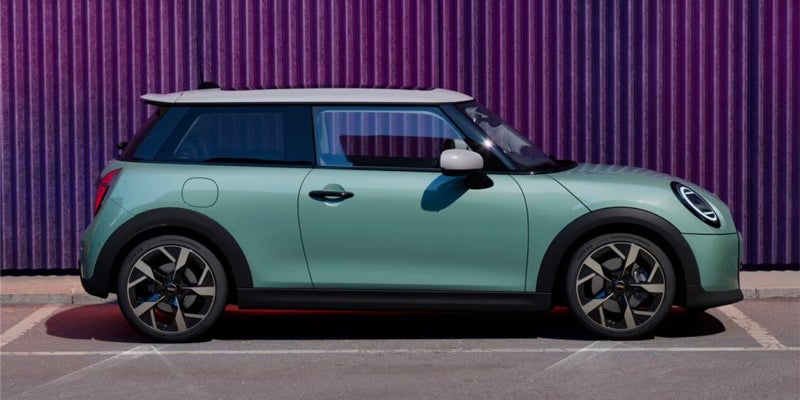
Choosing between leasing and financing a compact car is less about chasing the lowest number and more about matching payment structure to how the vehicle will actually be used. The 2026 MINI Hardtop 4 Door sits in a unique space where efficiency, predictable wear, and everyday usability shape how both lease and APR options perform over time. Understanding those mechanics helps shoppers choose a path that stays comfortable month after month. MINI approaches compact design with intention. The Hardtop 4 Door is built to be driven daily, parked easily, and used efficiently. Those characteristics influence how leasing and financing behave in real ownership scenarios. How Leasing Works for the MINI Hardtop 4 Door A lease is a closed end agreement that pays for the portion of the vehicle used during the term rather than the full value. Monthly payments are influenced by residual value, term length, mileage allowance, and money factor. Compact vehicles like the Hardtop 4 Door often lease efficiently because: Vehicle weight and size reduce wear exposure Fuel efficiency supports consistent daily use Depreciation is more controlled over short ownership windows Interior and exterior components age predictably For drivers who prefer structured ownership with a clear exit plan, leasing can offer consistency without long term commitment. more Why the Hardtop 4 Door Fits Leasing Well The four door configuration adds practicality without adding excess mass. That balance matters in lease scenarios. Lease friendly characteristics include: Predictable mileage accumulation for commuters Lower tire and brake wear compared to larger vehicles Easy maneuverability that reduces cosmetic wear Efficient packaging that supports daily routines Drivers with stable commuting patterns often find it easier to select mileage allowances accurately, which reduces end of lease surprises. Mileage Planning and Lease Confidence Mileage is the most common point of lease regret. Choosing the right allowance is critical. Before selecting a lease, shoppers should consider: Daily commute distance multiplied over three years Weekend and lifestyle driving habits Urban versus highway driving balance Anticipated changes in routine The Hardtop 4 Door’s efficiency encourages daily driving, but that also means mileage can accumulate quietly. Planning conservatively tends to preserve peace of mind at turn in. End of Lease Options Explained At lease end, drivers typically have three choices. Return the vehicle and transition to something new Purchase the vehicle at the predetermined residual value Explore lease equity if market conditions support it Because compact vehicles often maintain steady demand, buyout decisions can be appealing for drivers who grow attached to their car and want to extend ownership. How APR Financing Works Financing through an APR based loan means paying for the entire vehicle over time. Ownership transfers fully to the driver once the loan is complete. APR financing favors drivers who: Plan to keep their vehicle long term Drive higher than average mileage Want flexibility without contractual limits Prefer building equity over time While monthly payments may be higher initially, financing removes mileage caps and end of term decisions. APR Versus Total Cost Perspective APR percentage is only part of the picture. Loan term length and usage matter just as much. Shorter loan terms: Reduce total interest paid Increase monthly payments Build equity faster Longer loan terms: Lower monthly payments Increase total interest Extend depreciation exposure Compact vehicles like the Hardtop 4 Door often suit shorter or mid length terms because operating costs remain manageable over time. Lease Versus Finance in Daily Use The best option depends on how the vehicle fits into daily life. Leasing often works well for drivers who: Want predictable monthly costs Prefer newer technology cycles Drive consistent mileage Enjoy changing vehicles every few years Financing often suits drivers who: Drive more than average Want long term ownership flexibility Prefer keeping a vehicle beyond five years Plan to customize or modify their car Neither option is universally better. The right choice depends on how ownership priorities align with payment structure. Efficiency and Ownership Economics The Hardtop 4 Door’s efficiency influences both lease and finance decisions. Benefits include: Lower fuel costs over time Reduced strain on consumable components Consistent daily usability Predictable maintenance needs These traits help keep total ownership cost stable regardless of payment path. Wear and Condition Considerations Lease agreements account for normal wear but not excessive use. Compact vehicles naturally experience less stress in daily driving. Advantages include: Lower likelihood of wheel and tire damage Reduced suspension wear Manageable interior aging Easier parking in tight spaces This makes the Hardtop 4 Door easier to return in good condition at lease end. Choosing the Right Payment Strategy Before deciding, shoppers should evaluate: How long they plan to keep the vehicle Annual mileage expectations Desire for payment predictability Comfort with end of term decisions When payment structure matches lifestyle, ownership feels simple rather than restrictive. Smart Payments for a Compact Lifestyle The 2026 MINI Hardtop 4 Door offers flexibility in how it can be paid for because its design supports efficient, low stress ownership. Leasing emphasizes predictability and simplicity. Financing emphasizes flexibility and long term value. Understanding how each option behaves helps shoppers choose confidently, guided by how the car will actually be used rather than short term incentives. That practical approach reflects how MINI designs vehicles meant to fit seamlessly into everyday life.

2026 MINI Hardtop 2 Door vs Toyota GR Corolla – Wesley Chapel, FL: Personality vs Power in the Hot Hatch Scene

Hot hatch shoppers are rarely just comparing horsepower numbers. They are comparing how a car feels on a familiar road, how it responds in traffic, and whether the driving experience stays enjoyable beyond the first hard pull. The 2026 MINI Hardtop 2 Door and the Toyota GR Corolla represent two very different interpretations of performance in a compact footprint. One is built around expressive agility and connection. The other is engineered for intensity and traction driven performance. Understanding how these philosophies translate to daily driving is the key to choosing the right hot hatch. Two Performance Philosophies, Two Very Different Experiences The MINI Hardtop 2 Door is engineered around balance, steering feel, and driver engagement at realistic speeds. It emphasizes feedback and responsiveness rather than overwhelming grip. The Toyota GR Corolla is built as a homologation inspired performance hatch. Its focus is power delivery, mechanical grip, and aggressive tuning designed to handle high load situations. Both are quick. They just deliver speed and enjoyment in very different ways. more Powertrain and Drivetrain Behavior The drivetrain is where the personalities begin to diverge. The MINI Hardtop 2 Door uses a front wheel drive layout that prioritizes lightness and immediacy. Power delivery is smooth and predictable, allowing the driver to use more of the car more often without overwhelming traction. The GR Corolla uses a performance focused all wheel drive system designed to maximize grip under acceleration and during hard cornering. That grip comes with added weight and a more rigid feel through the chassis. Key differences in real world driving: Front wheel drive encourages rotation and steering input All wheel drive prioritizes traction and launch stability Lighter drivetrains feel more playful at moderate speeds Heavier AWD systems feel planted but less communicative In everyday traffic, the MINI’s drivetrain feels more accessible and less demanding. Steering and Handling Character Steering feel is where many drivers form an emotional connection to a car. The MINI Hardtop is tuned to communicate road texture and weight transfer clearly. The steering is quick, the chassis reacts immediately, and the car feels eager to change direction. This creates confidence without requiring extreme speed. The GR Corolla delivers a more serious tone. Steering inputs are met with strong grip and stability, but feedback is filtered through a stiffer setup. The car feels capable and composed, but less playful when driven below its limits. Drivers who enjoy: Frequent direction changes Tight corners Urban and suburban roads Often prefer the MINI’s lighter and more communicative approach. Ride Quality and Daily Comfort Hot hatches live most of their lives off track, which makes ride quality and comfort critical. The MINI Hardtop strikes a balance between firmness and compliance. Suspension tuning allows the car to absorb rough pavement without feeling disconnected. The GR Corolla’s performance focus introduces a firmer ride. That stiffness supports aggressive driving but can feel tiring during daily commutes or stop and go traffic. In Florida driving conditions where roads vary and traffic is constant, comfort matters just as much as outright performance. Power Versus Usability The GR Corolla delivers higher output and a more aggressive powerband. That power is thrilling when conditions allow it to shine. The MINI Hardtop delivers power that feels usable more often. Throttle response is immediate, and acceleration feels lively without requiring full commitment. This difference often shapes long term satisfaction: High power cars can feel constrained in traffic Balanced power cars feel enjoyable more frequently Engagement does not always require maximum output Many drivers find that the MINI’s approach keeps driving fun on ordinary roads. Interior Design and Driver Environment Inside the cabin, the contrast continues. The MINI Hardtop emphasizes personality and driver focus. Controls are intuitive, seating is upright, and visibility is strong. The cabin reinforces the idea that driving should feel engaging and lighthearted. The GR Corolla interior reflects its performance mission. It feels purposeful and serious, with fewer playful elements and more emphasis on restraint. Neither is wrong. They simply appeal to different priorities. Ownership Expectations and Long Term Enjoyment Ownership experience goes beyond the test drive. MINI ownership tends to attract drivers who value: Style and individuality Engaging handling at everyday speeds Compact size for urban environments A car that feels fun without effort GR Corolla ownership appeals to drivers who want: Maximum performance from a compact platform Track ready capability Aggressive styling and tuning A more intense driving experience Understanding which mindset aligns with your lifestyle is more important than choosing based on numbers alone. Which Hot Hatch Fits Your Definition of Fun The 2026 MINI Hardtop 2 Door and the Toyota GR Corolla are both engineered with performance in mind, but they define fun in very different ways. The distinction is not simply how much power each delivers, but how often that performance can be enjoyed in everyday driving. The MINI prioritizes agility, steering feel, and personality, creating a car that feels lively and responsive at realistic speeds. The GR Corolla prioritizes power, grip, and intensity, delivering a more aggressive experience that shines when pushed hard but can feel less approachable in daily use. For drivers who value expressive handling, immediacy, and a sense of connection on every drive, the philosophy behind MINI consistently feels more rewarding. While the GR Corolla delivers undeniable capability and rally inspired character, the MINI Hardtop 2 Door makes driving feel engaging more often, turning routine trips into something worth looking forward to. Choosing between them is less about outright speed and more about which car makes every mile feel intentional rather than occasional.

2026 MINI Countryman ALL4 Safety & Driver Assistance Guide – Jacksonville, FL: Confidence for Every Adventure

Safety in the 2026 MINI Countryman ALL4 is not treated as a checklist of features. It is engineered as a system where traction, stability, driver assistance, and chassis behavior work together to support confidence in real driving conditions. For Jacksonville drivers navigating sudden rain, dense traffic, and highway merges, understanding how these systems interact matters more than memorizing names. The Countryman’s approach to safety reflects MINI’s belief that confident driving starts with control and awareness, not automation. Safety as a Coordinated System, Not a Single Feature The Countryman ALL4 combines active safety technology with mechanical grip and predictable handling. Rather than relying on one system to compensate for everything, MINI layers safety functions so each plays a specific role. That layered approach includes: Chassis tuning that prioritizes stability and feedback Electronic driver assistance that monitors risk and intervenes when needed ALL4 all wheel drive that manages traction during acceleration and cornering Driver alerts designed to support decision making, not override it This balance is especially relevant in Florida conditions where traction and visibility can change quickly. more Active Safety Systems and How They Behave Active safety systems in the 2026 Countryman are designed to recognize developing hazards and respond early enough to give the driver options. Key active safety functions include: Forward collision warning Monitors closing speed to vehicles or obstacles ahead and alerts the driver when impact risk increases. Automatic emergency braking Applies braking force when a collision becomes imminent and the driver does not respond in time. This is most effective at city and suburban speeds. Pedestrian detection Uses forward sensors to recognize pedestrians in urban environments and issue alerts or braking assistance when necessary. These systems are calibrated to intervene only when needed, maintaining MINI’s emphasis on driver involvement rather than constant correction. Driver Assistance Features That Reduce Daily Stress Driver assistance systems in the Countryman are built to support awareness during everyday driving, not to replace driver responsibility. Common driver assistance features include: Blind spot monitoring Alerts the driver to vehicles approaching from adjacent lanes, particularly helpful during highway lane changes. Lane departure warning Provides alerts if the vehicle drifts from its lane without signaling. Rear cross traffic alert Assists when backing out of parking spaces by detecting approaching vehicles. These features act as an extra set of eyes in busy environments like Jacksonville’s suburban corridors and retail areas. ALL4 All Wheel Drive and Its Role in Safety ALL4 all wheel drive is often misunderstood. It does not shorten braking distances, but it does improve traction and stability in situations where grip matters. ALL4 works by: Distributing power between the front and rear wheels as conditions change Improving traction during acceleration on wet or uneven surfaces Enhancing stability when cornering in low grip conditions Reducing wheel spin when pulling away from intersections in rain In Florida’s frequent downpours, ALL4 helps maintain composure when accelerating or merging, which indirectly supports safety by keeping the vehicle predictable. City Driving Safety in Real Conditions Urban driving introduces frequent stops, pedestrians, cyclists, and unpredictable behavior from other vehicles. The Countryman’s compact size works in its favor here. City focused safety advantages include: Quick response from collision warning systems Effective low speed braking intervention Strong visibility due to upright seating position Tight handling that helps avoid sudden obstacles These characteristics make the Countryman well suited for daily commuting and dense traffic environments. Highway Driving Confidence and Stability At highway speeds, safety priorities shift toward lane discipline, spacing, and awareness rather than sudden stops. The Countryman supports highway driving with: Blind spot monitoring tuned for higher speeds Lane alerts that help maintain position during long drives Stable chassis behavior during crosswinds ALL4 traction that supports confident acceleration when merging This combination reduces fatigue and helps drivers maintain consistency during extended highway travel. What Safety Systems Will Not Do Understanding system limitations is part of responsible ownership. Driver assistance features are designed to assist, not replace attention. Important limitations to understand: Systems may be less effective in heavy rain or poor visibility Sensors can be obstructed by dirt or debris ALL4 improves traction, not braking distance Driver engagement is always required Recognizing these boundaries helps drivers use the systems as intended. Why Compact Size Can Be a Safety Advantage The Countryman’s size contributes to safety by improving maneuverability and situational awareness. Smaller footprint vehicles can respond more quickly in tight spaces and reduce blind areas compared to larger SUVs. Benefits include: Easier lane positioning Quicker evasive steering response Improved parking lot awareness Better visibility in urban settings These traits complement the electronic safety systems rather than relying on them. Safety as Part of the MINI Driving Experience The 2026 MINI Countryman ALL4 treats safety as something you feel through control, balance, and confidence rather than something that operates invisibly in the background. The systems are designed to work with the driver, not over them. For Jacksonville drivers who value engagement alongside reassurance, this philosophy reflects how MINI approaches safety engineering. It is not about removing the driver from the equation. It is about giving the driver better tools to enjoy every drive with confidence, rain or shine.

2026 MINI Countryman ALL4 vs Volkswagen Taos – Wesley Chapel, FL: MINI’s Expressive SUV vs VW’s Practical Contender

Compact SUVs are often compared on paper by size, fuel economy, and price. In real ownership, the differences that matter most show up in how a vehicle feels every day. For drivers in Wesley Chapel, the comparison between the 2026 MINI Countryman ALL4 and the Volkswagen Taos highlights two distinct philosophies. One emphasizes expressive design, engaging driving feel, and premium details. The other focuses on straightforward utility, efficiency, and simplicity. Understanding how these approaches differ helps shoppers choose the SUV that fits their lifestyle rather than just their checklist. Positioning in the Compact SUV Segment Both the MINI Countryman and the Volkswagen Taos occupy the compact SUV category, but they target different priorities. The Countryman ALL4 is designed to: Blend MINI personality with everyday versatility Deliver confident traction with an active AWD system Emphasize driving engagement alongside practicality Offer a more premium interior experience more The Taos positions itself as: A functional, efficient compact SUV Focused on space utilization and simplicity Tuned for predictable, low effort driving Oriented toward value and practicality Neither approach is inherently better. The difference lies in what the driver values most during daily use. MINI ALL4 Versus VW AWD Philosophy All wheel drive systems are not interchangeable, even when they serve similar purposes. MINI ALL4 is an electronically controlled system that: Continuously monitors wheel slip and driving inputs Actively redistributes torque between axles Supports stability during changing road conditions Preserves MINI’s agile handling character The Volkswagen Taos AWD system is tuned primarily for: Maintaining traction during low grip situations Supporting stable, predictable behavior Minimizing complexity and maximizing efficiency ALL4 prioritizes responsiveness and balance. The Taos system prioritizes consistency and ease of use. Both improve confidence, but they feel different behind the wheel. Driving Feel and Chassis Tuning One of the most noticeable differences between these vehicles is how they respond to driver input. The MINI Countryman ALL4 feels: More connected through the steering Responsive during cornering Planted without feeling heavy Engaging at everyday speeds The Taos delivers: Light, easy steering A calm and neutral ride Minimal feedback through the wheel A relaxed driving experience For drivers who enjoy feeling involved, the Countryman stands out. For those who prefer effortless driving with minimal input, the Taos aligns well. Interior Design and Material Quality Interior experience plays a major role in long term satisfaction. The MINI Countryman interior emphasizes: Distinctive design elements Premium materials and finishes Driver focused layout Visual character that feels intentional The Taos interior focuses on: Clean, straightforward design Practical control placement Functional materials Ease of use without visual flair MINI’s approach creates an emotional connection. Volkswagen’s approach prioritizes familiarity and function. Space and Practicality Considerations Both vehicles offer usable space for daily needs, but they approach packaging differently. Countryman strengths include: Flexible seating and cargo configuration Compact exterior size with efficient interior use Comfortable seating for everyday driving Balance between space and maneuverability Taos strengths include: Efficient cargo packaging Straightforward rear seat access Clear emphasis on utility Simple storage solutions For most Wesley Chapel drivers, both provide enough space for commuting, errands, and weekend activities. The difference lies in how that space is presented and used. Efficiency and Everyday Usability Fuel efficiency matters, but so does how the vehicle feels during frequent trips. The Taos is optimized for: Efficient commuting Calm highway behavior Low effort daily driving Straightforward ownership expectations The Countryman ALL4 balances: Efficiency with performance Confidence in changing weather Enjoyment during routine drives Versatility without losing character Neither vehicle is designed for extreme off road use. Both are intended for paved roads, suburban driving, and light adventure. Personality Versus Practicality in Ownership Ownership satisfaction often depends on whether a vehicle feels like a tool or a companion. The MINI Countryman ALL4 appeals to drivers who: Want their SUV to feel expressive Value driving engagement Appreciate premium design details Enjoy a vehicle with personality The Volkswagen Taos appeals to drivers who: Prioritize efficiency and simplicity Want predictable, no drama driving Prefer understated design Value practicality above emotion This distinction becomes more apparent over time than during a short test drive. Resale and Perceived Value Perceived value is influenced by brand identity and long term desirability. The Countryman’s premium positioning and distinctive design support: Strong demand among buyers seeking something different Broad appeal beyond purely practical considerations Value tied to brand personality The Taos benefits from: Volkswagen’s reputation for practical vehicles Consistent appeal to value focused buyers Predictable ownership expectations Both maintain relevance, but for different audiences. Choosing the Right Compact SUV in Wesley Chapel For Wesley Chapel drivers comparing these two SUVs, the decision comes down to how much driving experience matters. Choose the MINI Countryman ALL4 if: You want AWD with personality Driving feel and design matter You value premium touches in a compact package You enjoy a more engaging daily drive Choose the Volkswagen Taos if: You prioritize simplicity and efficiency You want an easygoing driving experience You prefer function over flair You value straightforward ownership Ownership Perspective The 2026 MINI Countryman ALL4 and Volkswagen Taos represent two valid but very different approaches to the compact SUV. MINI delivers expression, engagement, and confidence through ALL4 capability and thoughtful design. Volkswagen delivers practicality, efficiency, and simplicity. For drivers in Wesley Chapel who want their SUV to feel as enjoyable as it is useful, the Countryman ALL4 offers a compelling blend of personality and everyday capability.

2026 MINI Convertible Ownership Guide – Jacksonville, FL: Costs, Care, and Everyday MINI Fun

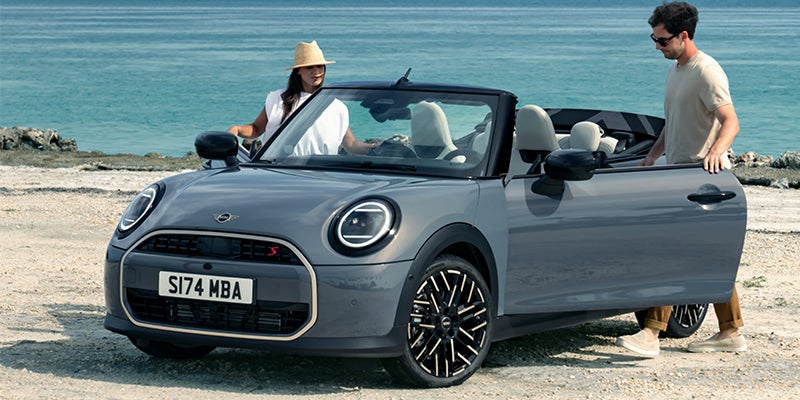
Owning a convertible is often viewed as a lifestyle decision, but for many Jacksonville drivers, the 2026 MINI Convertible serves as a genuine daily driver rather than a weekend indulgence. Modern engineering has reshaped what convertible ownership looks like, balancing open air enjoyment with year round practicality. Understanding the real costs, care requirements, and day to day usability helps set accurate expectations and ensures long term satisfaction. This guide breaks down what MINI Convertible ownership actually involves beyond the emotional appeal. What Makes the MINI Convertible Different to Own The MINI Convertible is built on the same mechanical foundation as the hardtop model, which means most ownership considerations align closely with standard MINI vehicles. The primary distinction lies in the soft top system and how it interacts with climate, usage patterns, and routine care. Ownership differences center on: Soft top material care Exposure to sun and weather Drainage system maintenance Seasonal usage habits Mechanically, the vehicle follows MINI’s established maintenance and service logic. more Routine Maintenance Costs and Service Expectations Maintenance intervals for the MINI Convertible are similar to other MINI models, as the powertrain, suspension, and braking systems are shared across the lineup. Typical maintenance considerations include: Oil and filter service based on driving conditions Brake inspections influenced by driving style Tire replacement timing based on usage Fluid inspections and replacements as needed Ownership costs are more affected by how the vehicle is driven than by the convertible design itself. Soft Top Construction and Longevity The soft top on the 2026 MINI Convertible is engineered for durability and daily use. Modern fabric materials are designed to resist fading, stretching, and water intrusion when properly maintained. Key aspects of soft top longevity include: UV resistant fabric construction Reinforced seams and seals Integrated insulation for noise control Weather sealing around windows and joints With proper care, soft tops are designed to last for many years without performance degradation. Convertible Care in a Jacksonville Climate Jacksonville’s climate plays a role in how convertible ownership is experienced. Sun exposure, humidity, and rain influence long term care more than cold weather concerns. Recommended care practices include: Regular cleaning to remove dirt and salt residue Occasional fabric protectant application Keeping drainage channels clear Parking in shaded areas when possible These steps help preserve appearance and function without requiring excessive effort. Weather Sealing and Everyday Driving Modern convertibles are designed to be driven year round. The MINI Convertible features sealing systems that support driving in rain and varied weather conditions. Practical benefits include: Secure weather seals during heavy rain Insulated roof structure for temperature control Heating and climate systems optimized for open and closed driving Stability and traction systems tuned for everyday use For Jacksonville drivers, this means enjoying open air driving when conditions allow without compromising comfort the rest of the time. Insurance and Ownership Costs Insurance costs for convertibles can vary, but the MINI Convertible often aligns closely with other compact performance oriented vehicles. Cost influencing factors include: Driver history Coverage selections Annual mileage Vehicle usage patterns Convertible ownership does not automatically translate to significantly higher insurance costs, especially when the vehicle is used responsibly as a daily driver. Practicality Beyond the Open Roof The MINI Convertible balances fun with usability. Practical ownership benefits include: Compact size for urban driving Responsive handling in traffic Easy maneuverability in tight spaces Cargo access suitable for everyday errands While the convertible top slightly reduces cargo capacity compared to the hardtop, it remains functional for daily needs. How Usage Patterns Affect Long Term Costs Ownership costs are influenced more by driving habits than by the convertible configuration. Factors that impact long term cost include: Annual mileage Driving style Parking environment Frequency of top operation Regular use helps keep mechanical systems functioning smoothly, while proper storage and care preserve the soft top. Convertible Myths Versus Reality Many concerns around convertible ownership stem from outdated assumptions. Modern reality includes: Reliable weather sealing Comparable maintenance schedules Durable soft top materials Everyday drivability without compromise The MINI Convertible is designed for drivers who want enjoyment without sacrificing practicality. Who the MINI Convertible Fits Best The 2026 MINI Convertible appeals to drivers who: Value driving enjoyment in everyday situations Want a car that feels special without being impractical Appreciate expressive design and personality Live in climates that allow frequent top down driving It works well as a primary vehicle rather than a secondary toy. Ownership Perspective The 2026 MINI Convertible offers a balanced ownership experience that blends fun with realism. In Jacksonville, its open air capability aligns naturally with the climate, while modern engineering ensures daily usability remains intact. For drivers who want personality without unexpected ownership complexity, the MINI Convertible delivers enjoyment that fits comfortably into everyday life.

2026 MINI Hardtop 2 Door vs Toyota GR Corolla – Wesley Chapel, FL: Personality vs Power in the Hot Hatch Scene

The hot hatch segment has always been about more than straight line speed. For drivers in Wesley Chapel who want a compact car that feels alive on real roads, the decision often comes down to how a vehicle delivers performance rather than how much power it claims on paper. The 2026 MINI Hardtop 2 Door and the Toyota GR Corolla represent two very different interpretations of the hot hatch formula. One leans into personality, agility, and connection. The other prioritizes output, grip, and motorsport inspired capability. Understanding the difference helps buyers choose the car that fits how they actually drive. What Defines a Hot Hatch Beyond Horsepower A true hot hatch balances size, responsiveness, and driver engagement. While horsepower matters, it is only one piece of the experience. Key elements that shape hot hatch character include: Vehicle weight and balance Steering response and feedback Suspension tuning and body control Wheelbase length and track width Power delivery behavior Driver involvement and control feel These factors influence how a car feels at everyday speeds, on tight roads, and during daily commuting, not just on a spec sheet. MINI Hardtop 2 Door Driving Character The 2026 MINI Hardtop 2 Door stays true to MINI’s core philosophy of delivering an energetic, playful driving experience. Its compact footprint and short wheelbase create a sense of immediacy that defines its appeal. Driving characteristics that stand out include: Quick steering response with direct feedback Lightweight feel that encourages confident cornering Low seating position that enhances connection to the road Front wheel drive tuning focused on balance and control Rather than overwhelming the driver with power, the MINI Hardtop emphasizes precision. It feels eager, responsive, and engaging even at moderate speeds, which is where most real world driving actually happens. Toyota GR Corolla Performance Positioning The GR Corolla takes a different approach. It brings rally inspired engineering into the hot hatch space, focusing on traction and output. Notable traits include: Higher horsepower output All wheel drive system for enhanced grip Broader stance and more aggressive setup Performance orientation rooted in motorsport influence This design delivers strong acceleration and impressive traction, especially during hard launches or spirited driving. However, that added capability also brings additional weight and complexity. Power Versus Engagement on Real Roads On Wesley Chapel area roads, the difference between these two philosophies becomes clear. The MINI Hardtop excels when: Navigating tight turns and roundabouts Driving on back roads with frequent direction changes Enjoying responsive steering at lower speeds Prioritizing fun without needing maximum power The GR Corolla shines when: Accelerating hard from a stop Maintaining grip under aggressive driving Prioritizing traction and performance limits For many drivers, the MINI’s approach feels more rewarding in everyday use because it delivers engagement without requiring extreme inputs. Steering Feel and Chassis Balance Steering is a defining trait for any performance focused hatchback. The MINI Hardtop’s steering: Responds immediately to driver input Communicates front tire grip clearly Encourages confident placement on the road Enhances the sense of connection The GR Corolla’s steering prioritizes stability and control, particularly at higher speeds. While effective, it often feels more filtered compared to the MINI’s communicative setup. Daily Usability Considerations Hot hatches are often daily drivers, not weekend toys. MINI Hardtop daily strengths include: Compact size for urban driving Easy maneuverability in tight spaces Comfortable ride without losing engagement Strong personality that makes routine drives enjoyable The GR Corolla offers: Impressive traction in varied conditions Performance credibility A more aggressive driving persona However, its firmer setup and performance focus can feel less playful during normal commuting. Personality and Emotional Connection MINI has always leaned into emotional appeal. The Hardtop 2 Door feels expressive rather than serious, which resonates with drivers who want their car to feel like an extension of their personality. Elements that reinforce this include: Distinctive design language Driver focused interior layout Engaging exhaust and engine response A sense of fun baked into the experience The GR Corolla appeals to a different buyer, one who values performance pedigree and competitive capability. Its personality is defined by purpose rather than charm. Choosing the Right Hot Hatch for Wesley Chapel Drivers For shoppers comparing these two vehicles, the decision comes down to priorities. Choose the MINI Hardtop 2 Door if: You value steering feel and agility You want maximum engagement at everyday speeds You prefer personality over raw output You enjoy a playful, expressive driving experience Choose the GR Corolla if: You prioritize horsepower and traction You want all wheel drive performance You value motorsport inspired engineering You enjoy pushing performance limits Ownership Perspective The 2026 MINI Hardtop 2 Door and Toyota GR Corolla both earn their place in the hot hatch conversation, but they serve different drivers. MINI delivers a car that feels alive in daily driving, rewarding input and delivering personality with every turn of the wheel. For Wesley Chapel drivers who believe fun is measured by connection rather than numbers, the MINI Hardtop remains one of the most engaging hot hatches available.

2026 MINI Countryman ALL4 Lease & APR Breakdown: AWD Capability, Monthly Costs, and Smart MINI Value

The 2026 MINI Countryman ALL4 sits at the intersection of personality and practicality. It delivers MINI’s unmistakable design and driving character while adding the traction confidence many drivers want year round. For shoppers evaluating lease versus APR financing, the decision is shaped less by headline pricing and more by how ALL4 capability, residual value, and incentives interact over time. Understanding how these elements work together helps determine which ownership path best fits how the Countryman ALL4 will actually be used. How MINI ALL4 Works in Real Driving MINI ALL4 is an electronically controlled all wheel drive system designed for balance and confidence rather than off road extremes. Under normal conditions, the Countryman prioritizes efficiency by operating primarily as a front wheel drive vehicle. When traction demands change, the system can instantly redistribute power between the front and rear axles. ALL4 responds to: Wheel slip detection Throttle input Steering angle Vehicle speed Road surface conditions This proactive torque management improves stability during rain, light snow, and uneven surfaces without compromising MINI’s nimble handling feel. more Why ALL4 Influences Lease Structure Lease payments are driven by depreciation, not total vehicle price. Residual value plays a central role in determining how much of the vehicle’s value is consumed during the lease term. The Countryman ALL4 benefits from: Strong demand for compact AWD crossovers Broader year round usability Appeal to lifestyle focused buyers Balanced size that fits urban and suburban needs Because AWD variants often retain value better than comparable front wheel drive versions, the ALL4 configuration can support competitive lease structures even with added mechanical complexity. Breaking Down MINI Countryman Lease Payments A MINI Countryman ALL4 lease is calculated using three core components: Capitalized cost, which reflects the negotiated vehicle price Residual value, which estimates the vehicle’s worth at lease end Money factor, which represents the financing cost of the lease Higher residual values reduce the portion of depreciation paid during the lease. This can help offset the added cost of ALL4 hardware and keep monthly payments aligned with buyer expectations. Mileage selection also plays a critical role. Choosing mileage that accurately reflects real world driving avoids unnecessary cost increases or end of lease penalties. Lease Versus APR Financing for the Countryman ALL4 Leasing and APR financing serve different ownership priorities. Leasing typically appeals to drivers who: Prefer driving newer vehicles more frequently Want predictable monthly costs Appreciate maintenance simplicity during the lease term Plan to switch vehicles within a few years APR financing may be a better fit for buyers who: Intend to keep the vehicle long term Drive higher annual mileage Want full ownership without mileage limits Benefit from low interest rate programs ALL4 capability remains valuable in both scenarios. The difference lies in how long the buyer plans to keep the vehicle and how depreciation is managed over time. How Incentives Affect Lease and APR Options Incentives influence leasing and financing differently. Lease programs may include favorable money factors or targeted lease support, while APR financing programs may offer reduced interest rates for qualified buyers. Key considerations include: Lease incentives lowering effective monthly cost APR incentives reducing total interest paid over time Program availability varying by model year and market Timing affecting which option provides greater value Comparing both structures side by side often reveals which path aligns better with a buyer’s financial priorities. ALL4 Capability and Long Term Value ALL4 does more than improve traction. It broadens how and when the Countryman can be used, which supports long term demand in the resale market. Value supporting factors include: Year round drivability Confidence in changing weather conditions Versatility for daily use and weekend travel Consistent appeal across regions This sustained demand helps protect residual value, which benefits both lease customers and long term owners. Ownership Costs Beyond the Monthly Payment Smart ownership planning looks beyond the monthly figure. Important cost considerations include: Insurance differences between lease and finance Maintenance expectations over time Fuel efficiency relative to vehicle size Tire replacement timing and cost Leasing often simplifies cost planning by concentrating ownership expenses within a defined term, while financing spreads costs over a longer horizon. Choosing the Right Path for Practical MINI Shoppers The 2026 MINI Countryman ALL4 attracts buyers who want character without sacrificing capability. The decision between leasing and APR financing comes down to usage patterns, time horizon, and comfort with depreciation exposure. Leasing emphasizes flexibility and predictability. Financing emphasizes long term ownership and equity. Both benefit from the Countryman ALL4’s balanced design and enduring appeal. Ownership Perspective The 2026 MINI Countryman ALL4 delivers a rare combination of expressive design and everyday confidence. When paired with the right lease or APR structure, it becomes a smart value rather than just a stylish choice. Understanding how ALL4 capability influences residual value, incentives, and long term costs allows buyers to choose an ownership path that matches how they actually drive and live with their MINI.

2025 MINI Countryman vs Mazda CX-30: Tech, Space, and Personality Compared for Compact SUV Shoppers

Compact SUV shoppers often reach a crossroads when choosing between vehicles that deliver efficiency and everyday usability but differ sharply in character. The comparison between the 2025 MINI Countryman and the Mazda CX-30 comes up frequently because both appeal to drivers who want something smaller than a traditional SUV without sacrificing design, comfort, or driving confidence. Where they diverge is in how each brand approaches space, technology, and personality. This guide compares the MINI Countryman and Mazda CX-30 through the lens of real world use, focusing on interior space, technology design, driving feel, and what each vehicle prioritizes in daily ownership. Overall Size and Platform Philosophy While both vehicles fall into the compact SUV category, their platforms are engineered with different goals in mind. The MINI Countryman is positioned as a true crossover with hatchback roots, while the CX-30 leans toward a compact crossover built from a sedan based architecture. Key platform distinctions include: Countryman features a longer wheelbase that benefits rear seat legroom CX-30 uses a shorter platform that emphasizes agility and efficiency Countryman sits taller with a more upright stance CX-30 favors a lower roofline and sleeker proportions These differences shape how space is distributed inside the cabin and how each vehicle feels on the road. Interior Space and Rear Seat Comfort Interior space is one of the most noticeable differences between the two vehicles. The MINI Countryman is designed to feel open and accommodating, especially for passengers beyond the front seats. In the Countryman, rear passengers benefit from: Greater knee room due to the longer wheelbase More vertical headroom from the upright roof design Easier entry and exit through wider opening rear doors A rear bench that feels less confined for adult passengers The Mazda CX-30 offers a well finished rear seat, but space is tighter. The sloping roofline and shorter cabin length reduce headroom and legroom, making the rear seat better suited for occasional use rather than regular adult passengers. For drivers who frequently carry passengers, the Countryman provides a more flexible solution. Cargo Space and Everyday Utility Cargo usability is another area where these two vehicles differ in approach. While published cargo numbers may appear close, real world usability tells a different story. Cargo considerations include: Countryman offers a wider and taller cargo opening Rear seats in the Countryman fold flatter for longer items CX-30 cargo space is more limited by rear glass angle Countryman accommodates bulky items with less rearranging The CX-30 works well for daily errands and light hauling. The Countryman adds versatility for strollers, travel gear, and weekend activities without stepping up to a larger SUV. Interior Design and Material Feel Interior design reflects brand identity. MINI treats the cabin as an extension of the driving experience, while Mazda emphasizes simplicity and visual calm. The MINI Countryman interior is defined by: Bold shapes and circular design elements A playful yet premium aesthetic Materials that emphasize texture and contrast A layout that feels driver focused The CX-30 interior is minimalist and refined, with clean lines and restrained styling. Materials feel upscale for the segment, but the design prioritizes serenity over expression. Shoppers who value personality and visual distinction often gravitate toward the Countryman, while those who prefer understated design may favor the CX-30. Technology Interface and Usability Technology usability depends not just on features but on how systems are integrated into the driving experience. Countryman technology characteristics include: A centrally mounted digital display that consolidates vehicle functions Clear digital instrumentation for essential driving information Logical menu structure that supports quick interaction Driver assistance features calibrated to support engagement The CX-30 technology experience focuses on: Clean screen presentation Reduced visual clutter Emphasis on minimizing distraction Controls designed for ease rather than customization MINI’s approach leans toward interaction and personality, while Mazda’s favors calm and restraint. Driving Feel and Daily Confidence Driving character plays a major role in long term satisfaction. Both vehicles handle daily driving well, but they deliver different experiences. The MINI Countryman offers: Steering that feels connected and responsive A planted feel at highway speeds Suspension tuning that balances comfort with engagement The Mazda CX-30 emphasizes: Smooth ride quality Predictable handling Comfort oriented suspension tuning Drivers who enjoy a sense of involvement behind the wheel often prefer the Countryman. Those prioritizing relaxed commuting may appreciate the CX-30’s demeanor. Ownership Perspective and Value Value is not just about price. It includes how well a vehicle fits a driver’s lifestyle and how satisfying it feels to use over time. The Countryman appeals to drivers who: Want a compact SUV with premium character Regularly use rear seats or cargo space Enjoy expressive design and driving engagement Prefer a vehicle that stands out The CX-30 suits drivers who: Prioritize refined simplicity Drive primarily solo or with one passenger Value quiet comfort over engagement Prefer understated design Both vehicles offer strong reliability and efficiency, but they speak to different priorities. What Compact SUV Shoppers Should Evaluate Before choosing between the MINI Countryman and Mazda CX-30, shoppers should consider: How often rear seats are used Typical cargo needs beyond groceries Driving style and commute length Preference for expressive versus minimalist interiors Desire for engagement versus comfort Understanding these factors clarifies which vehicle aligns best with daily life. Final Perspective on MINI Countryman vs Mazda CX-30 The 2025 MINI Countryman and Mazda CX-30 represent two distinct interpretations of the compact SUV. The CX-30 delivers refined comfort and visual simplicity. The Countryman adds space, flexibility, and unmistakable personality paired with engaging road manners. For drivers who want a compact SUV that feels expressive, adaptable, and genuinely fun to live with every day, the MINI Countryman offers a compelling balance of practicality and character. For those who value calm design and a relaxed driving experience, the CX-30 remains a strong alternative. Choosing between them ultimately comes down to whether personality or restraint matters more in your daily drive.

2025 MINI Hardtop 4 Door Technology & Interior Guide: Smart Space, Clever Features, Classic MINI Attitude

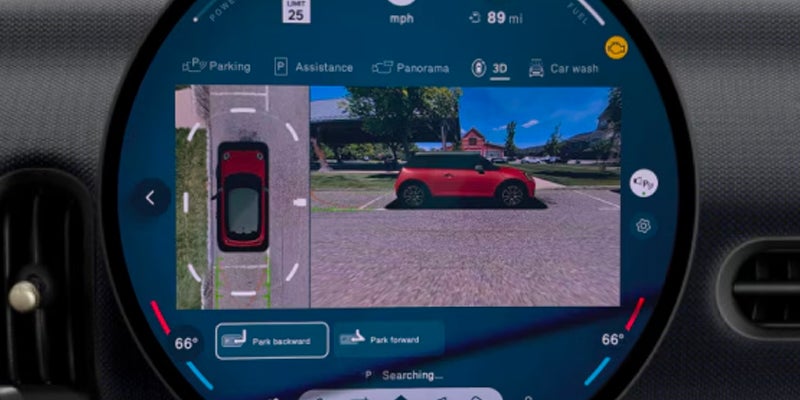
The 2025 MINI Hardtop 4 Door is engineered for drivers who want compact dimensions without giving up everyday usability or modern technology. While small cars are often dismissed as impractical, MINI approaches interior packaging and technology integration differently. Every design decision is made to maximize usable space, preserve driving engagement, and keep the cabin intuitive rather than overwhelming. This guide explains how the MINI Hardtop 4 Door interior is laid out, how its technology systems work in real world driving, and what shoppers should evaluate when deciding whether a compact hatchback can truly serve as a daily vehicle. Interior Packaging and Space Efficiency The Hardtop 4 Door uses MINI’s efficient hatchback architecture to extract as much usable space as possible from a small footprint. Rather than stretching the body outward, engineers focus on vertical space, seat positioning, and door design. Interior space characteristics include: Upright seating that increases headroom without raising the roofline excessively Thin seatbacks that preserve rear legroom Four real doors that improve access compared to two door hatchbacks A hatch layout that supports flexible cargo use For urban and suburban drivers, this design makes the Hardtop 4 Door easier to live with than its size suggests, especially when navigating tight parking and narrow streets. Rear Seat Comfort and Practical Use Rear seating is where compact cars often reveal their limitations. MINI addresses this by prioritizing posture and access rather than sheer width. Rear seat considerations include: Adequate legroom for short to medium length trips Headroom that accommodates adults due to the upright roofline Door openings that reduce the need to slide front seats excessively A rear bench best suited for two adults or children rather than three across While it is not a replacement for a compact SUV, the Hardtop 4 Door comfortably handles passengers for daily commutes, errands, and occasional longer drives. Cargo Space and Hatchback Versatility Cargo usability is one of the Hardtop 4 Door’s strongest advantages over traditional sedans. The hatchback design allows vertical loading and flexible configurations. Cargo functionality includes: A rear hatch opening that supports bulky items Split folding rear seats for longer cargo A flat load floor when seats are folded Usable space for groceries, luggage, or gear This flexibility makes the Hardtop 4 Door a practical option for drivers who want compact efficiency without sacrificing carrying capability. Technology Integration and Driver Interface MINI integrates technology with personality. The Hardtop 4 Door cabin centers around a circular display that houses the infotainment system while reinforcing MINI’s signature design language. Technology features include: A central digital display that consolidates infotainment and vehicle settings Clear digital instrumentation for speed and driver information Apple CarPlay integration for navigation and media Intuitive menu structure that minimizes distraction Rather than scattering screens across the dashboard, MINI keeps the interface focused and visually cohesive. Physical Controls and Usability While touchscreens dominate many modern interiors, MINI retains physical controls for core functions. This choice supports real world driving where tactile feedback matters. Usability benefits include: Toggle switches for key vehicle functions Physical controls for climate adjustments Steering wheel mounted controls for media and calls Reduced need to navigate menus while driving These elements contribute to a cabin that feels playful but purposeful. Driving Technology and Assistance Systems The Hardtop 4 Door incorporates driver assistance systems designed to support awareness rather than replace driver input. Available systems include: Forward collision warning with automatic braking Lane departure warning Adaptive cruise control Parking assistance features MINI calibrates these systems conservatively, allowing the driver to remain engaged while benefiting from additional safety layers. Comfort, Materials, and Daily Use Interior comfort is shaped by material choice and seating design rather than size alone. MINI selects materials that balance durability with visual character. Interior comfort features include: Supportive seats designed for upright driving posture Durable upholstery suited for frequent entry and exit Sound insulation that reduces road noise without isolating the driver Thoughtful storage for small items and devices These choices make the Hardtop 4 Door comfortable for daily use without diluting its sporty personality. Technology Standardization and Trim Considerations Technology availability varies by trim, but MINI emphasizes consistent core functionality rather than reserving essentials for higher levels. Shoppers should evaluate: Which trims include advanced driver assistance features Display size and interface differences Audio system upgrades Customization options tied to interior finishes Understanding how technology scales across trims helps buyers choose a configuration that fits both budget and expectations. Who the MINI Hardtop 4 Door Is Built For The Hardtop 4 Door appeals to drivers who want: A compact vehicle with real daily usability Easy parking and urban maneuverability Engaging driving dynamics Distinctive interior design Modern technology without complexity It works particularly well for city dwellers, commuters, and drivers downsizing from larger vehicles. Final Perspective on the 2025 MINI Hardtop 4 Door Interior and Technology The 2025 MINI Hardtop 4 Door proves that small cars can be smart, practical, and genuinely enjoyable to use every day. Its efficient interior packaging, intuitive technology, and classic MINI character create a cabin that feels intentional rather than compromised. For drivers who value personality, usability, and technology that enhances rather than overwhelms, the Hardtop 4 Door delivers a compact driving experience that feels thoughtfully engineered for real life.

2025 MINI Countryman vs Honda HR-V: Feature, Cabin Space, and Everyday Practicality Compared

Compact SUVs attract shoppers who want versatility without the bulk of a midsize vehicle. The comparison between the 2025 MINI Countryman and the Honda HR-V comes up frequently because both target drivers who want efficiency, manageable size, and everyday usability. Where they differ is in philosophy. The Countryman blends premium design and driving engagement with real utility, while the HR-V prioritizes simplicity and mainstream practicality. This guide compares the MINI Countryman and Honda HR-V by looking at cabin space, cargo usability, technology, and how each vehicle fits into daily life rather than relying on surface level specifications alone. Overall Size and Cabin Proportions At a glance, the MINI Countryman is physically larger than the Honda HR-V, and that difference shows up in how space is distributed inside the cabin. The Countryman is designed as a true compact crossover rather than a lifted subcompact. Key size and layout differences include: Countryman offers a longer wheelbase, which improves rear legroom and ride stability HR-V uses a shorter platform that favors maneuverability in tight spaces Countryman seating is more upright with a higher roofline HR-V prioritizes a lower profile and lighter overall footprint For drivers who regularly carry rear passengers, the Countryman’s additional interior length translates to more consistent comfort rather than occasional usability. Rear Seat Comfort and Passenger Use Rear seat usability is one of the biggest decision points in this comparison. Both vehicles seat five passengers, but they approach passenger comfort differently. In the MINI Countryman, rear passengers benefit from: More knee room due to the longer wheelbase Taller roofline that supports headroom for adults Wider rear bench that feels less constrained Rear doors that open wider for easier entry The Honda HR-V rear seat is well designed for the segment but favors shorter trips and smaller passengers. Legroom is adequate, but adults may notice tighter knee clearance during longer drives. For households that regularly use the rear seats, the Countryman feels less like a compromise. Cargo Space and Real World Usability Cargo numbers are often quoted without context. How cargo space is shaped matters just as much as how much space exists on paper. Cargo usability differences include: Countryman offers a wider cargo opening and more vertical space Rear seats in the Countryman fold flatter for longer items HR-V cargo area is efficient but narrower Countryman cargo floor sits higher, making loading heavier items easier The HR-V performs well for groceries, gym bags, and everyday errands. The Countryman adds flexibility for strollers, travel gear, and bulkier items without requiring constant rearranging. Interior Design and Material Quality Interior design reflects each brand’s priorities. MINI treats the cabin as part of the driving experience, while Honda emphasizes functional simplicity. The MINI Countryman interior focuses on: Bold design with circular motifs and distinctive surfaces Higher grade materials in touch points Supportive seating with a more premium feel A cockpit layout that feels driver focused The HR-V interior is clean and intuitive, but materials are more utilitarian. Controls are straightforward and easy to learn, which appeals to drivers who prefer minimal interaction with vehicle systems. Shoppers who value personality and tactile quality tend to gravitate toward the Countryman. Technology and Driver Interface Technology usability goes beyond screen size. It includes how information is presented and how easily systems are accessed while driving. Countryman technology highlights include: A central display integrated into MINI’s signature circular design Clear digital instrumentation Responsive infotainment with logical menu structure Driver assistance systems calibrated to feel supportive rather than intrusive The HR-V offers a practical infotainment setup with a focus on ease of use. Screens and menus are straightforward, but the experience feels more appliance like than immersive. MINI’s system emphasizes engagement, while Honda’s emphasizes simplicity. Driving Character and Daily Confidence Driving behavior plays a role in practicality. A vehicle that feels stable and predictable under load or during long commutes often feels more usable over time. The MINI Countryman delivers: A planted feel at highway speeds Steering feedback that encourages confident lane changes Suspension tuning that balances firmness with comfort The HR-V favors: Soft ride quality Easy low speed maneuverability Predictable handling tuned for efficiency For drivers who spend significant time on highways or enjoy an engaging drive, the Countryman offers more confidence and composure. Ownership Perspective and Value Considerations Value is not just purchase price. It includes how well a vehicle fits daily life and how satisfying it feels to own. The Countryman appeals to drivers who: Want compact SUV practicality with premium character Regularly carry passengers or cargo Enjoy driving engagement alongside utility Value distinctive design The HR-V suits drivers who: Prioritize affordability and simplicity Drive primarily in urban environments Carry passengers occasionally Prefer low ownership complexity Neither vehicle is universally better. They serve different priorities within the compact SUV space. What Shoppers Should Evaluate Before Choosing When deciding between the MINI Countryman and Honda HR-V, shoppers should evaluate: How often rear seats are used by adults Typical cargo needs beyond groceries Driving environment and commute length Preference for design and interior quality Desire for engagement versus simplicity These factors matter more than raw specifications. Final Perspective on MINI Countryman vs Honda HR-V The 2025 MINI Countryman and Honda HR-V represent two valid but different interpretations of compact SUV practicality. The HR-V delivers efficiency and ease with minimal complexity. The Countryman adds space, personality, and driving confidence that appeal to shoppers who want more than basic transportation. For drivers who want a compact SUV that feels premium, flexible, and engaging without stepping into a larger vehicle, the MINI Countryman stands apart. For those focused on straightforward usability and cost efficiency, the HR-V remains a solid option. Understanding how each fits real daily use makes the decision clearer.

2025 MINI Convertible Lease & APR Guide: Monthly Payments, Ownership Costs, and Everyday Open-Air Fun

The 2025 MINI Convertible is not purchased purely on spreadsheets. It is chosen because driving should feel engaging, personal, and fun even on ordinary days. That said, how you pay for a MINI Convertible matters just as much as how it feels behind the wheel. Leasing and APR financing create very different ownership experiences, and understanding how each works helps open-air shoppers make a confident decision that fits real world driving habits. This guide breaks down MINI Convertible leasing and APR financing in practical terms, explains what actually drives monthly payments and long-term costs, and helps shoppers evaluate which path aligns best with how they plan to enjoy their MINI. How a MINI Convertible Lease Is Structured A lease is a structured agreement based on depreciation rather than full ownership. You are paying for the portion of the vehicle’s value that is used during the lease term. Key lease components include: Capitalized cost, which is the negotiated vehicle price Residual value, the estimated value at lease end Money factor, which represents the financing cost Lease term length, commonly 24 to 36 months Mileage allowance tied to expected usage The MINI Convertible often leases well for drivers with predictable mileage and seasonal driving habits. Because convertibles are frequently second vehicles or lifestyle cars, many lessees naturally stay within lower annual mileage limits. Why Residual Value Matters More for a Convertible Residual value has a major impact on lease affordability. The higher the residual value, the less depreciation you pay over time. For the MINI Convertible, residual strength is influenced by: Distinctive design that changes gradually rather than drastically Strong brand identity and enthusiast demand Limited direct competitors in the premium small convertible space Consistent appeal as a lifestyle vehicle rather than a utility car MINI’s design philosophy emphasizes character over trend chasing. That consistency helps protect resale value, which directly supports lease pricing. Mileage Planning for Open-Air Driving Mileage allowances are not arbitrary. They exist because usage directly affects vehicle value. For convertible shoppers, mileage planning deserves extra attention. Common lease mileage options include: 10,000 miles per year 12,000 miles per year 15,000 miles per year Many MINI Convertible drivers use the vehicle primarily for commuting, weekend drives, and seasonal enjoyment rather than long road trips. Choosing a mileage allowance that reflects actual habits prevents overpaying for unused miles or facing excess mileage charges at lease end. How MINI Convertible Engineering Supports Leasing The MINI Convertible is engineered to balance enjoyment with durability. Its turbocharged engine is tuned for responsive torque rather than aggressive output, which supports consistent performance without excessive mechanical stress. Engineering characteristics that support lease value include: Efficient turbocharged power delivery Predictable transmission calibration Lightweight chassis construction Interior materials designed to resist visible wear Because lease vehicles are returned and reintroduced into the used market, condition matters. MINI’s interior finishes and structural rigidity help maintain value across ownership cycles. Understanding APR Financing for the MINI Convertible APR financing differs fundamentally from leasing. Instead of paying for depreciation, you are purchasing the entire vehicle over time. APR financing may appeal to drivers who: Plan to keep the MINI long term Drive higher annual mileage Want to build equity rather than return the vehicle Prefer eventual payment free ownership Monthly payments are typically higher than a lease, but total cost of ownership can be lower over extended use. Financing also removes mileage limitations, which may matter for drivers who use their MINI Convertible as a primary vehicle. Maintenance and Ownership Cost Considerations Ownership costs go beyond monthly payments. Maintenance, insurance, and wear should factor into the decision. For the MINI Convertible: Scheduled maintenance follows predictable intervals Turbocharged engines benefit from consistent service Convertible top mechanisms are engineered for durability but benefit from regular care Tires and brakes reflect spirited driving potential rather than economy tuning Leasing keeps the vehicle under warranty throughout the term, reducing unexpected repair exposure. Financing extends ownership responsibility but allows long-term value extraction. Lease Versus APR for Lifestyle Vehicles The MINI Convertible occupies a unique space. It is not purchased for maximum cargo or passenger capacity. It is chosen because driving enjoyment matters. Leasing often fits drivers who: Enjoy changing vehicles every few years Want predictable monthly costs Drive limited annual mileage Value warranty coverage throughout ownership APR financing often suits drivers who: Want to keep their MINI long term Drive year round regardless of season Customize or personalize the vehicle Prefer ownership flexibility Neither option is universally better. The right choice depends on how the MINI fits into daily life. Seasonal Driving and Real World Usability Convertible ownership is often perceived as seasonal, but modern MINI Convertibles are engineered for year round use. Heated seats, climate control systems, and insulated soft tops support daily driving even outside peak summer months. That usability influences financing decisions. Drivers who treat the MINI Convertible as a primary vehicle may lean toward financing, while those using it as a second car often find leasing more efficient. What Shoppers Should Evaluate Before Choosing Lease or APR Before deciding, shoppers should evaluate: Expected annual mileage How long they plan to keep the vehicle Whether the MINI is a primary or secondary car Comfort with mileage limits Desire for long-term ownership versus flexibility Understanding these factors prevents regret and aligns financial structure with real driving behavior. Final Perspective on MINI Convertible Leasing and Financing The 2025 MINI Convertible delivers everyday joy through thoughtful engineering, responsive performance, and unmistakable personality. Choosing between leasing and APR financing is about matching that experience to how you live, drive, and plan for ownership. For drivers who value flexibility and predictable costs, leasing highlights the MINI Convertible’s strong residual value and lifestyle appeal. For those who want to make the MINI a long-term companion, APR financing offers freedom and lasting ownership satisfaction. Either way, understanding the structure behind the numbers ensures the open-air fun never comes with financial uncertainty.

Contact Us

Fill out this form below and we'll contact you shortly
*Required Fields