4 Signs Your Mini Cooper May Need a Radiator Repair
MINI lease return planning gives you time to compare returning, purchasing, replacing, or trading before your contract reaches maturity. Therefore, the first step is choosing which path fits your next vehicle plan. MINI Financial Services lists three main paths: return the MINI, purchase it, or choose another MINI. A trade discussion can also happen near maturity through a dealer appraisal. Review Your MINI Lease Return Options First What are your MINI lease return options? You can return the vehicle, purchase it, replace it, or discuss a trade near maturity. Therefore, review your lease contract before choosing a direction. In addition, the contract contains mileage limits, the residual value, and other figures tied to your account. Returning the MINI moves you toward inspection and turn in steps. Purchasing it shifts attention toward the contractual purchase amount and financing. In addition, replacing it creates a separate choice involving another model and a new payment agreement. A trade discussion adds a dealer appraisal to the process. These four paths answer different questions: more Return the MINI when you want to complete the current agreement without keeping the vehicle. Purchase the MINI when you want to keep the same car and review the contractual purchase amount. Replace the MINI when you want another model and a new lease or finance agreement. Discuss a trade when you want a dealer appraisal alongside the figures tied to the current lease. Therefore, decide which path deserves deeper review before focusing on inspection details. That order keeps the maturity process easier to follow. Returning the MINI Requires Inspection and Preparation What should you prepare before returning the vehicle? Review its mileage, condition, original items, and inspection status before the appointment. MINI Financial Services includes an inspection as part of the return process. Therefore, the inspection gives you a documented view of wear and damage before turn in. Start by checking the vehicle for visible dents, wheel damage, glass damage, and interior wear. In addition, gather every key, manual, accessory, and original item that came with the MINI. These items may matter during the final return review. The inspection should guide repair decisions. Therefore, do not assume that every mark needs repair before return. Use the documented findings to discuss which items may create a charge under the lease agreement. MINI lease return planning also includes confirming where the vehicle will go. The originating MINI dealer must accept the return. Another MINI dealer may accept it after agreeing to the return. Therefore, contact the intended location before making final travel plans. Purchasing the Leased MINI Starts With the Contract What should you review before purchasing the leased MINI? Start with the residual value and current payoff information tied to your agreement. The residual value was set when the lease began. Therefore, it is different from a dealer appraisal or current retail listing. MINI Financial Services states that the residual value is not negotiated. However, the final purchase discussion can still include financing and required transaction details. Review the exact account figures before comparing this path with another vehicle. Next, consider the MINI you already know. Service records, mileage, condition, and current repair needs are already visible to you. Therefore, those facts can make the purchase review more concrete than evaluating an unfamiliar used vehicle. A purchase also changes the financial path. The lease ends, while a purchase or finance agreement begins. In addition, future maintenance and repair costs move fully into the next phase of ownership. MINI lease return research should therefore include both contract figures and vehicle condition. Those two areas give you a clearer basis for deciding whether keeping the MINI makes sense. Replacing the MINI Creates a New Vehicle Decision What changes when you move into another MINI? The old lease and the next vehicle agreement remain separate decisions. Therefore, begin by choosing the next model before comparing payment structures. Current MINI choices include smaller Cooper models and the larger Countryman. In addition, the Countryman SE ALL4 adds an electric route for drivers with charging access. Your next vehicle may also come from new, pre owned, or MINI Certified inventory. A replacement decision should reflect what changed since the last lease began. Passenger needs, cargo needs, commute distance, and parking may now point toward another body style. Therefore, use the maturity point to reassess the model before signing another agreement. Then review the next contract on its own terms. Mileage allowance, lease length, financing structure, and vehicle price all deserve a fresh look. The prior lease does not automatically set those figures for the next MINI. MINI lease return planning can therefore lead directly into a model comparison. However, choose the next vehicle because it fits your current routine, not because it resembles the outgoing MINI. Mileage and Condition Need Review Before Maturity How should you review mileage and vehicle condition? Compare the odometer with the allowance in your lease contract before return. Therefore, you can see whether your current pace may place you above the contracted mileage. MINI Financial Services currently offers a Mileage Adjustment Program for eligible accounts. The program can provide another mileage planning route before vehicle return. However, eligibility and current terms should be confirmed through MINI Financial Services. Vehicle condition deserves the same early review. Look at tires, wheels, glass, exterior panels, upholstery, and included equipment. In addition, use the inspection findings before choosing whether to repair an item. Mileage and wear are separate parts of the MINI lease return process. One measures distance traveled, while the other reviews the vehicle itself. Therefore, checking both early gives you more time to discuss available options. If you are considering a purchase, these findings still matter. They help you assess the vehicle you may keep. If you plan to return it, they prepare you for the formal turn in. Plan the Return or Replacement With Tom Bush MINI What should a Jacksonville lessee confirm before the final appointment? Confirm your chosen path, account figures, inspection status, mileage, and return location. Therefore, your final appointment should not be the first time you review these details. Use the Tom Bush MINI Lease Return Center for the formal return process. In addition, current inventory can support a replacement comparison if you want another MINI. The finance team can also discuss a purchase path or a new agreement. Before the appointment, review these final items: Confirm whether you plan to return, purchase, replace, or discuss a trade. Bring required keys, accessories, and other original items with the MINI. Review mileage, inspection findings, account figures, and the agreed return location before arrival. MINI lease return planning works best when each choice is handled before the final turn in. Therefore, use the maturity period to compare the paths carefully. Tom Bush MINI in Jacksonville can connect the return process with current inventory and finance resources.
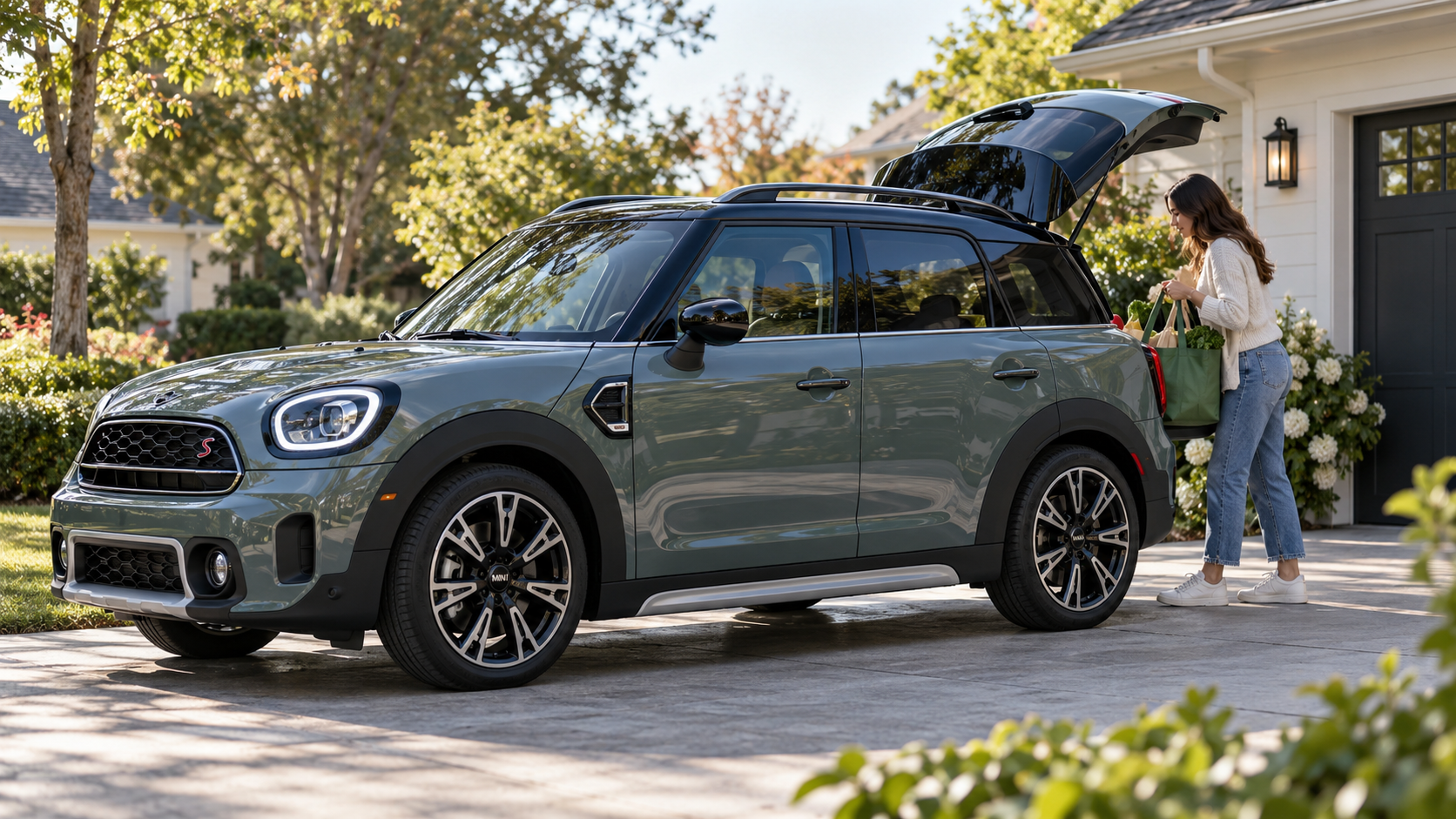
Is a MINI right for daily life when your commute, passengers, cargo, and parking needs all compete for attention? The answer comes from matching those needs with the right MINI body style before choosing a trim. A Cooper 2 Door, Cooper 4 Door, Countryman, or Convertible can serve very different routines. Therefore, the first choice should be about fit, not appearance alone. Jacksonville driving can include dense parking lots, bridge traffic, short errands, and longer highway trips. In addition, household needs can change how frequently rear seats or cargo space matter. A useful choice starts with the tasks you repeat each week. Start With Your Commute and Parking Does your route favor a smaller footprint or a larger cabin? Therefore, a shorter MINI can make tight parking easier, while a larger model adds more interior room. The Cooper 2 Door keeps the smallest footprint in the current lineup. Therefore, it suits drivers who spend time in compact parking spaces or crowded urban areas. In addition, its shorter body can make garage placement simpler. By contrast, the Countryman sits at the other end of the lineup. It adds a taller seating position, more rear room, and much more cargo space. Therefore, it may suit drivers who carry more people or gear during the week. more The Cooper 4 Door falls between those two ideas. It keeps a compact shape while adding direct rear door access. In addition, MINI states that it provides more rear legroom than the 2 Door. Before choosing a model, think about the places you visit most. Parking size, garage depth, traffic, and highway miles all deserve attention. A test drive should include those same roads whenever possible. Passenger Needs Can Narrow the MINI Lineup How frequently does someone use the rear seat? Frequent rear passengers usually make four doors more convenient than two. The Cooper 2 Door includes rear seating, but access comes through the front doors. Therefore, occasional passengers may find that setup acceptable. Therefore, families using the second row every day may prefer another body style. The Cooper 4 Door adds separate rear doors. That change makes it easier to load bags, help children, or let adults enter without moving a front seat. In addition, the extra rear legroom gives passengers more space. The Countryman gives rear occupants the largest cabin of the three. Its taller roof and larger body also make entry easier for some passengers. Therefore, it deserves attention when adults or child seats use the second row frequently. In addition, seat comfort comes from more than one measurement. Move the front seat into your normal driving position first. Then check knee room, headroom, door opening size, and entry height. Those details matter more than a single seating number. They show how the MINI will work during school runs, carpools, errands, or weekend travel. Cargo Needs Change the Model Choice What needs to fit while the passenger seats stay available? Cargo room varies widely across the current MINI lineup. The Cooper 2 Door provides 8.9 cubic feet behind the rear seats. Therefore, that space can handle groceries, small bags, or a few everyday items. However, larger loads may require folding the rear seats. The Countryman provides about 24.98 cubic feet behind its rear seats. With those seats folded, MINI lists about 56.18 cubic feet. Therefore, it gives households much more room for luggage, pet gear, or larger purchases. In addition, cargo shape matters too. A hatch opening can make boxes or soft bags easier to load. Rear seat folding can also create more floor length when passenger space is not needed. Use these questions before choosing a model: How frequently do you carry groceries, luggage, sports gear, pet supplies, or larger household items? Do rear passengers need to stay seated while cargo is loaded, or can the rear seats fold regularly? Will your normal cargo fit through the hatch opening without removing shelves, wheels, or other items? A short loading test can reveal more than a cargo number. Bring a stroller, suitcase, or another common item when you compare vehicles. Comfort and Road Feel Deserve a Test Drive Which seating position feels right on your normal roads? MINI models differ in ride height, cabin scale, and steering response. The Cooper 2 Door places you lower to the road than the Countryman. Therefore, it may appeal to drivers who prefer a smaller car around town. By contrast, the Countryman gives a taller seating position and a broader cabin. The Cooper 4 Door keeps the lower car layout while adding rear access. That makes it worth comparing with the 2 Door. It can suit someone who likes the smaller footprint but needs more entry points. Therefore, comfort should be judged during more than a short loop. Check seat support, visibility, road noise, and steering effort. In addition, pay attention to how easy it is to enter and exit several times. Jacksonville highways and local streets can feel different in the same car. Therefore, include both slower roads and faster sections during the drive. If possible, test the routes you use most. Your own body position matters as much as published dimensions. A seat that feels right after five minutes should still feel supportive after a longer drive. When Another Vehicle Type May Suit You Better When should you look beyond MINI? A larger household or frequent bulky cargo may point toward another vehicle category. For this reason, a MINI can work well for smaller households and commuters who value a compact footprint. However, some needs may exceed what the lineup offers. Frequent third row seating is one example. MINI does not offer a three row model. Therefore, a household carrying more than five people may need another vehicle type. In addition, large cargo demands can change the answer. The Countryman gives the most space in the lineup. Still, some households regularly carry much larger items. In that case, a larger SUV or van may fit better. Towing needs deserve the same careful review. If a trailer is central to your routine, verify the exact tow rating before choosing any model. Do not assume every MINI is suited to that task. A good decision guide should make room for a no answer. If the cabin or cargo area feels too limited, another category may be wiser. Choose Between New Used and MINI Certified Should you compare new, used, or MINI Certified inventory? Each path changes age, mileage, inspection history, warranty timing, and price. A new MINI gives you current equipment and a new warranty start. Therefore, it works well for shoppers who want current model details and no prior owner history. By contrast, standard used inventory can offer a wider range of model years and prices. In addition, condition and service records deserve close review because each vehicle has its own history. MINI Certified takes a more structured route. Current MINI rules require qualifying vehicles to be five years old or newer and under 60,000 miles. They also go through inspection and history review before certification. Before you decide, review these items: Compare the exact model, body style, drivetrain, mileage, and service history on the vehicle you are considering. Ask how much warranty coverage remains and whether the MINI has Certified coverage or another service contract. Drive more than one model so you can compare seating, cargo access, parking, and road response directly. Tom Bush MINI in Jacksonville gives shoppers one place to compare current models across several inventory paths. A side by side drive can make the fit much clearer. The strongest choice is the one that works with your weekly routine without forcing constant compromises. Start with commute, passengers, and cargo. Then use a test drive to confirm which MINI feels right before you choose the exact trim or inventory path.
MINI versus other compact cars reveals clear differences in exterior size, steering response, cabin layout, and model choice. No single trait settles the decision. Instead, the strongest choice comes from matching road feel, passenger access, cargo needs, and cabin preferences. MINI takes a familiar compact car idea and gives it a distinct shape. The body stays tidy, the controls feel expressive, and the lineup offers several clear paths. However, each model supports a different kind of trip. What Makes MINI Different From Other Compact Cars? MINI combines a compact footprint with direct steering, distinctive cabin design, and several body styles. That mix gives shoppers more than one way to enter the brand. The Cooper 2 Door keeps the smallest body in the current lineup. Therefore, it may suit narrow garages, close parking spaces, and quick turns around Jacksonville streets. The Cooper 4 Door adds easier rear access while keeping a compact shape. The Countryman moves toward a larger cabin and wider cargo opening. By contrast, the Convertible trades enclosed storage for an open roof. John Cooper Works models add firmer tuning and stronger output for readers who want a sharper road feel. more What should a shopper compare first? Start with the body style, not the paint color. Door count, roof design, rear access, and cargo shape will shape more trips than a trim accent. Still, MINI will not fit every household equally. A conventional compact car may offer a softer ride or wider rear seating. Another hatch may also provide more enclosed cargo room. For this reason, the first comparison should focus on body shape and regular travel needs. Style can enter the decision after those points are clear. Size and City Travel A smaller exterior can make a car easier to place on crowded streets. It can also simplify parking near shops, restaurants, and older Jacksonville buildings. The Cooper 2 Door uses a short body and compact wheelbase. Therefore, the driver can judge corners with less body extending behind the seat. The Convertible follows a similar compact pattern. However, small exterior measurements create tradeoffs. Rear entry takes more effort in a two door body. The cargo opening also carries less than the Countryman can hold. Does a MINI suit city travel? It can suit drivers who value easy placement and short exterior length. Still, the decision should include rear access, child seats, luggage, and regular shopping loads. A test drive should include several low speed turns and one tighter parking space. In addition, the reader should check mirror views and rear visibility. Those details matter more than a broad label such as city car. Jacksonville travel also includes bridges, fast roads, and long highway stretches. Therefore, shoppers should test lane changes, rough pavement, and steady cruising before choosing. Beyond that, garage space deserves a measurement before the visit. Door clearance can matter as much as overall vehicle length. Readers can compare current choices through the new MINI inventory. The listings provide a starting point for body style and equipment research. Steering Cabin Layout and Personalization MINI steering uses quick response and a compact chassis to create a lively feel. The driver may notice small inputs sooner than in another compact car. That response can feel engaging on curved roads and during city turns. However, some readers may prefer slower steering or a softer ride. A test drive should answer that question directly. Which details deserve attention during the drive? Check steering weight, body movement, seat support, pedal response, and road noise. Moreover, test the car on smooth pavement and rougher streets. The cabin also separates MINI from many compact cars. Current models use a round central display and a toggle bar below it. This layout puts navigation, media, settings, and vehicle controls in a distinct visual center. Therefore, spend time with the menus before leaving the dealership. Test climate controls, camera views, phone pairing, voice functions, and steering wheel buttons. Personalization starts with the model and body style. Paint, roof choices, wheels, cabin materials, and trim details come next. However, not every combination appears in current stock. For this reason, shoppers should separate preferred choices from required choices. A favorite roof color may be flexible. Rear doors, cargo room, or a convertible roof may be essential. Additionally, trim choices can change seat materials, display themes, wheels, and exterior details. Those changes should support the selected body style. The MINI Cooper 2 Door offers a close look at the current circular display and toggle layout. Its page also shows several current cabin features. Passenger and Cargo Differences Passenger and cargo space vary across the MINI lineup. The Cooper 2 Door, Cooper 4 Door, Convertible, and Countryman serve different loading needs. The Cooper 2 Door favors a compact body and front seat focus. Rear passengers enter through the front doors. Therefore, frequent rear travel deserves a careful seating test. The Cooper 4 Door adds rear doors and easier entry. It may suit shoppers who like the Cooper shape but carry passengers more regularly. The Countryman offers the broadest passenger and cargo layout in the current range. Its larger hatch and rear area support groceries, luggage, sports gear, and longer trips. By contrast, the Convertible uses part of its rear structure for the folding roof. That choice adds open air travel while reducing enclosed storage. Which layout fits best? Bring the items that matter. A stroller, work bag, golf clubs, pet carrier, or weekend luggage can reveal more than a cargo number. Shoppers should also test rear seat comfort with the front seats in their normal positions. Furthermore, check the height and shape of the cargo opening. A larger volume can still hide an awkward loading shape. Additionally, fold the rear seats before choosing. The shape of the folded floor can matter for longer items. Families should also test child seat placement and door access. A compact exterior can feel very different once seats and passengers are aboard. Readers needing greater room can review the MINI Countryman. Its larger body provides a clear contrast with Cooper models. Which MINI Model Should You Compare Next? The next model should match the body style and road feel that matter most. Start with one core need, then compare nearby choices. Choose the MINI Cooper 2 Door when compact size and direct steering lead the list. It keeps the classic small hatch shape and a strong front seat focus. Choose the MINI Cooper 4 Door when rear access matters more. It keeps a tidy exterior while adding doors for passengers or child seats. Choose the MINI Countryman when passenger room and cargo space guide the decision. It brings the largest body and broadest cabin in the range. Choose the MINI Cooper Convertible when an open roof shapes the appeal. However, review cargo room and rear access before placing the roof first. Choose a John Cooper Works model when firmer tuning and stronger output deserve closer review. The added road focus should be tested on the streets used most. For readers still comparing several body styles, the MINI model research page provides a clear next step. It includes current Cooper, Countryman, Convertible, and JCW paths. Another compact car may suit shoppers who place rear space, soft ride quality, or trunk volume first. That conclusion can be useful. A fair comparison should narrow the list, not force one brand into every need. Tom Bush MINI gives Jacksonville shoppers a local place to compare current models. Readers can browse inventory and schedule a test drive after choosing two likely body styles. MINI versus other compact cars becomes clearer after several models are viewed together. The next step should reflect real passengers, cargo, roads, and cabin preferences.