

MINI brake service near me is one of the most urgent searches a driver makes. The answer starts with reading the right signals before the brake warning light appears. Some of those signals are obvious. Others are easy to miss until the situation becomes more urgent and more costly. Jacksonville MINI Cooper drivers who know what to watch for are in a better position at every inspection. This breakdown covers how the brake wear system works, what the warning signs look like, and what a complete service at Tom Bush MINI involves.
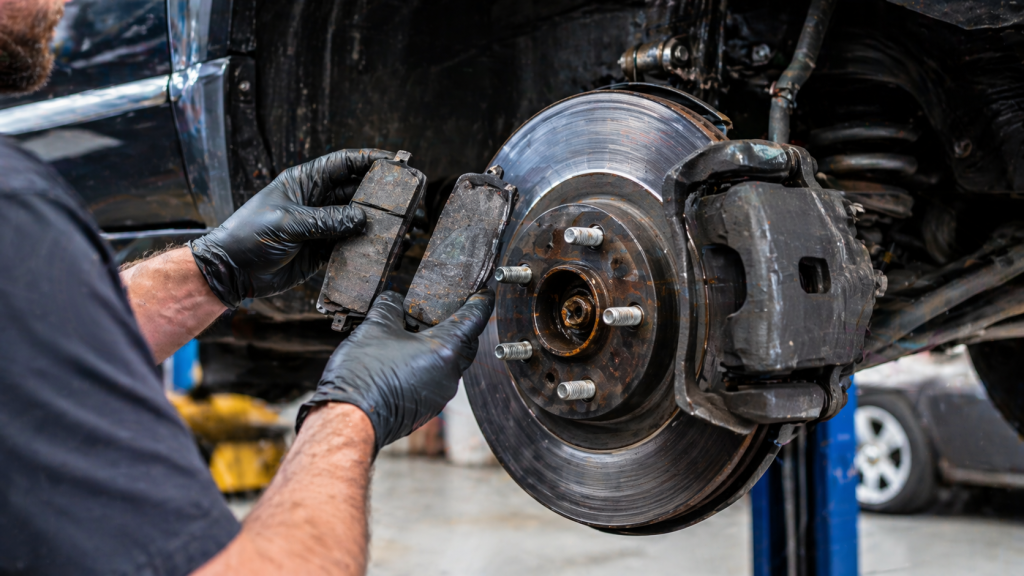
How Does the MINI Cooper Brake Wear Sensor System Work?
The MINI Cooper uses an electronic brake pad wear sensor embedded in the brake pad itself. As the pad material wears down, the sensor wire eventually contacts the rotor surface. That contact completes a circuit and triggers the brake warning light on the dashboard. The warning appears while usable pad material still remains. That gives the driver a service window rather than an immediate stop-drive situation.
However, that service window is not unlimited. The warning indicates the pad has reached a thickness where replacement should happen within the next few hundred miles. Continuing to drive past that point risks wearing the pad completely through to the metal backing plate. Metal-to-metal contact between the backing plate and the rotor causes rapid rotor damage. That turns a pad replacement into a rotor replacement as well.
Read the rest of this entry »A MINI oil change is straightforward when the correct oil specification is used and more complicated when it isn’t. The specification question comes up at every service interval, and the answer has real consequences for engine longevity. Jacksonville MINI Cooper drivers who know what their engine requires are in a better position at every service appointment. This breakdown covers the BMW Longlife standard, how it maps to specific MINI engines, and what to verify at every service.
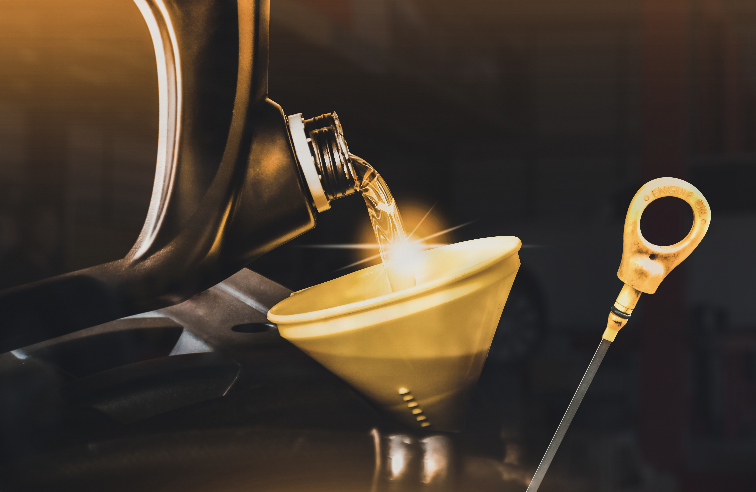
Why MINI Cooper Oil Specification Is Not Optional
Not all synthetic oils are equal. A full synthetic label on a bottle confirms the oil’s base stock origin. It says nothing about whether the oil meets the thermal stability, shear resistance, and oxidation thresholds MINI engines require. BMW developed the Longlife specification to define those thresholds precisely. An oil that carries BMW Longlife certification has passed testing for those properties. One that hasn’t may still be labeled full synthetic and still fail to protect a MINI engine at operating temperature.
In practice, the mechanical consequence of using non-certified oil shows up in two ways. First, oil that lacks the correct shear stability breaks down faster under the pressure and heat of normal engine output. Second, in a turbocharged engine, oil that degrades prematurely leaves the turbocharger bearings without adequate lubrication at high shaft speeds. Neither consequence is immediate or obvious. However, the cumulative effect across multiple non-compliant services accelerates wear in ways that a certified oil would not.
Read the rest of this entry »How many miles a MINI Cooper lasts comes down to one thing more than any other: how well it was serviced. That answer surprises some drivers who assume longevity is mostly about the car itself. However, the maintenance record tells more about a MINI’s future than its age or odometer reading. Jacksonville drivers asking the question before a purchase or mid-ownership are asking the right one. This breakdown covers what the mileage ceiling looks like, what drives it, and what ownership costs across the ownership period.
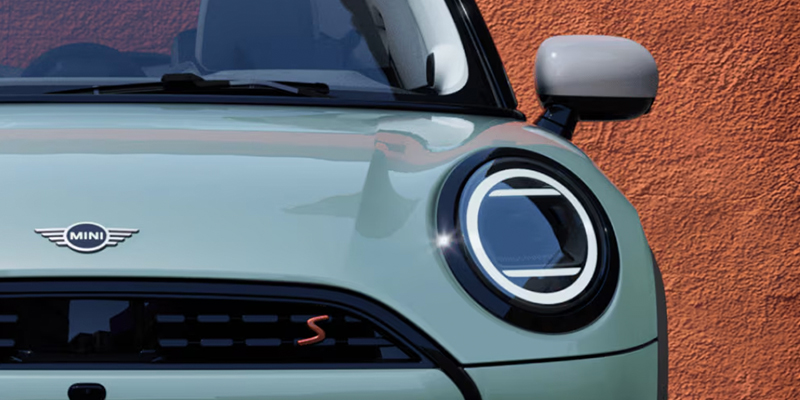
How Far Can a Well-Maintained MINI Cooper Go?
A MINI Cooper that follows the manufacturer maintenance schedule can reach 150,000 to 200,000 miles. That ceiling is not unusual for drivers who treat service intervals as non-negotiable rather than optional. However, a MINI that missed oil changes, skipped coolant flushes, or went years between inspections hits a lower ceiling.
High mileage for a MINI Cooper starts around 100,000 miles in how most sellers and shoppers evaluate used examples. That number reflects the point where deferred maintenance becomes visible in the vehicle’s history. Still, 100,000 miles on a well-documented MINI Cooper with a clean service record is a stronger position than 60,000 miles on one with gaps. The odometer reading alone does not tell the full story.
Read the rest of this entry »MINI lease offers at Jacksonville dealerships and the national promotions from MINI USA share the same starting point. However, the final numbers at the table are rarely identical. That gap confuses a lot of drivers, and it doesn’t have to. Knowing that separation helps Jacksonville drivers walk into Tom Bush MINI with the right questions ready. This breakdown covers both sides so the comparison makes sense before anyone signs anything.

What Does a National MINI Lease Promotion Include?
A national MINI lease promotion is a manufacturer-subsidized offer built by MINI Financial Services. It sets a specific money factor, a residual value percentage, and a payment calculation. Those inputs are tied to a particular trim, mileage tier, and term length. The advertised monthly figure reflects those inputs when all criteria are met. However, that payment assumes the driver meets all qualification criteria, including a specific credit tier. It also excludes acquisition fees, taxes, title fees, and the first month’s payment.
Most national promotions run on 36-month terms with a 10,000-mile annual cap. The MINI Cooper Hardtop is frequently the featured model in national promotions. Its lower MSRP produces an accessible payment at the subsidized money factor. What the ad doesn’t show is how the payment shifts when any variable changes. A higher mileage tier, a different trim level, or a market where dealer fees differ from the baseline all move the number.
Read the rest of this entry »MINI JCW vs Cooper S comparisons usually begin with horsepower numbers, though the larger difference appears through suspension tuning, braking response, steering feel, and how each model delivers its personality behind the wheel. Both versions share the same compact spirit, turbocharged layout, and playful proportions, though the driving character changes noticeably once the road becomes tighter, faster, or more demanding. MINI has always approached driving with personality first. Small car. Big spirit. The distinction between Cooper S and John Cooper Works comes from how far each version pushes that philosophy toward sharper response, stronger braking, and more focused chassis tuning.

MINI Cooper S and JCW Differ Through More Than Horsepower
What is the real difference between Cooper S and JCW? Horsepower matters, though it only explains part of the separation between the two trims. MINI Cooper S models balance turbocharged responsiveness with smoother daily drivability, while JCW models push further toward aggressive acceleration, sharper throttle response, firmer chassis tuning, and stronger braking hardware.
The Cooper S already feels quick because the compact platform keeps vehicle weight relatively low. Turbocharged torque arrives early in the powerband, making the car feel energetic during city driving, highway merging, and backroad acceleration without requiring extremely high engine speeds.
John Cooper Works tuning increases output further, though the larger distinction appears through calibration strategy. Throttle mapping reacts faster, transmission programming becomes more aggressive, and traction calibration allows the chassis to rotate more actively during spirited cornering.
Mechanical distinctions commonly include:
Read the rest of this entry »This MINI warning lights guide explains how dashboard symbols, check engine alerts, and drivetrain warnings communicate problems inside the vehicle before larger failures develop. Modern MINI models continuously monitor engine operation, braking systems, tire pressure, electrical charging activity, emissions output, steering input, and module communication through dozens of sensors and electronic control units working together simultaneously. When one system detects readings outside acceptable operating thresholds, the dashboard alerts the driver through warning lights prioritized by urgency level. Understanding how those warnings work helps drivers respond appropriately instead of ignoring faults, resetting alerts blindly, or assuming every dashboard light signals catastrophic repair costs.
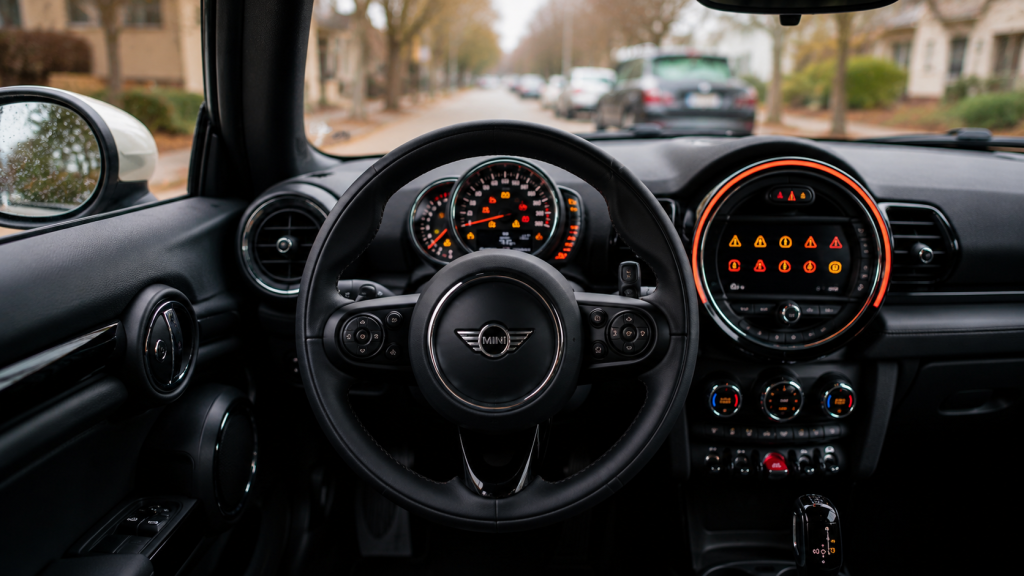
MINI Dashboard Warning Colors Indicate Fault Priority
Dashboard warning lights are grouped by urgency so the driver can quickly understand how serious the issue may be. MINI uses different colors because not every fault requires the same response timing.
Green and blue indicators usually confirm normal feature operation such as headlights, cruise control activation, or driving assistance functions. Yellow and amber alerts indicate faults or maintenance concerns requiring attention soon. Red warning lights signal issues that may require immediate shutdown or inspection before continued driving.
This prioritization structure exists because modern vehicles monitor hundreds of operating parameters simultaneously. MINI electronic modules constantly compare live sensor data against programmed thresholds for temperature, voltage, fuel mixture, wheel speed, engine timing, and braking activity.
Yellow and red warnings commonly monitor:
Read the rest of this entry »MINI Cooper accessories can completely reshape how a compact car handles storage, personalization, commuting, and weekend travel when the upgrades are selected with factory integration in mind. That matters because MINI ownership has always centered around individuality and clever packaging. Small car. Big spirit. OEM upgrades give owners the ability to personalize cabin space, cargo management, appearance, and driving feel without disrupting the design balance that makes a MINI feel connected and intentional in the first place.

OEM MINI Accessories Are Engineered Around Factory Fitment
Why do OEM MINI accessories cost more than aftermarket parts? The answer starts with how factory accessories are developed. Genuine MINI upgrades are engineered around exact mounting locations, panel clearances, electronic architecture, and body tolerances already built into the vehicle.
Universal aftermarket accessories usually rely on adjustable mounting hardware intended to fit multiple brands at once. That creates situations where trim pieces shift slightly over time, roof accessories generate excess wind noise, or interior upgrades vibrate against surrounding panels during driving.
OEM MINI accessories are shaped around the original vehicle architecture itself. Roof rail systems on a MINI Countryman distribute weight through reinforced mounting locations integrated into the body structure. Interior accessories are measured around existing seat travel, cupholder dimensions, cargo floor layouts, and dashboard spacing.
That engineering process matters for:
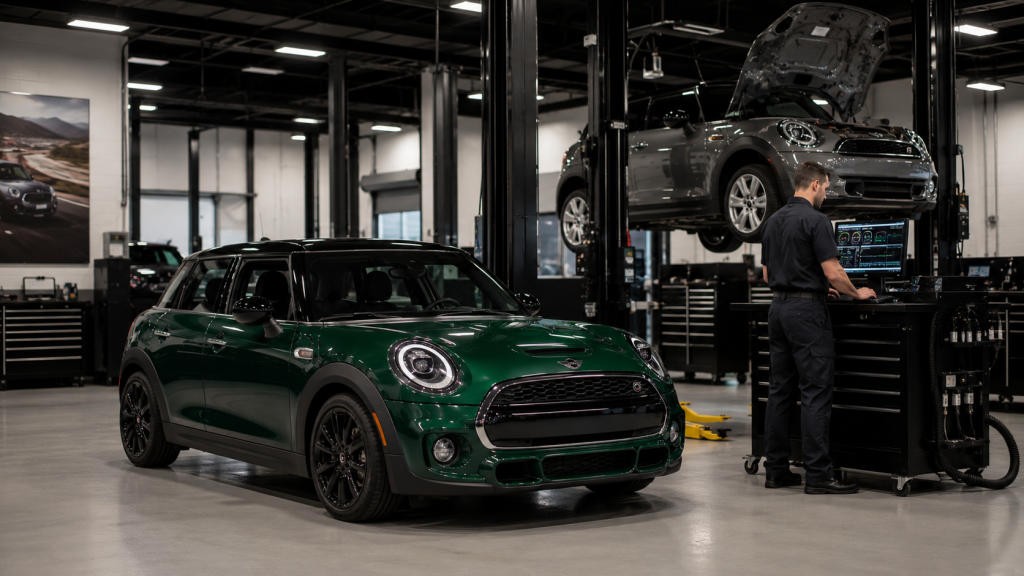
Read the rest of this entry »MINI service prices make much more sense once owners understand how diagnostic testing, technician training, electronic troubleshooting, and factory repair procedures all contribute to the repair process. Modern MINI models rely heavily on integrated electronics, software communication, turbocharged powertrains, and tightly packaged mechanical layouts that require specialized repair procedures. Because of that, service pricing reflects much more than parts replacement alone. Understanding what happens during diagnostics, maintenance inspections, and repair authorization helps owners evaluate where repair costs originate and what they should expect during service visits.
MINI Labor Rates Reflect Specialized Repair Procedures
Dealership labor rates are commonly misunderstood because buyers usually compare hourly pricing without seeing the infrastructure behind the repair process. MINI technicians work with model specific repair information, factory diagnostic software, specialized tools, programming equipment, and electronic service procedures that general repair shops may not fully access.
Modern MINI vehicles communicate across multiple electronic modules simultaneously. Steering systems, braking controls, infotainment modules, driver assistance technology, engine management systems, and transmission controls continuously exchange data throughout the vehicle. Repairing one fault sometimes requires evaluating several connected components before identifying the actual failure source.
MINI dealership labor pricing usually supports:
Read the rest of this entry »Two ways to get into a MINI. Two completely different ways to experience ownership. Leasing and financing may both lead to the same driveway, but how you get there and what it feels like along the way is very different.

MINI builds cars for personality, not routine. So your payment structure should match how you actually live and drive. Understanding how each option works is what turns a monthly number into something you can control, not just accept.
Is it better to lease or finance a MINI Cooper
Leasing and financing answer two different questions. Leasing answers how much of the car you want to use. Financing answers how you want to own it.
A MINI lease is built around depreciation. You are paying for the portion of the vehicle’s value used during the lease term. A MINI finance loan is built around total cost. You are paying for the entire vehicle over time.
At a system level:
Read the rest of this entry »Two doors or four. Sounds simple, right? Not quite. When you’re choosing between the MINI Hardtop 2 Door and 4 Door, you’re really deciding how you want your MINI to move, feel, and fit into your day. Same spirit. Same attitude. Different ways of showing up.

Both models share the same core DNA. Quick, responsive, built for smiles per mile. But how they’re engineered changes how they behave on the road and how they work in your everyday life. That’s where the real difference lives.
What is the difference between MINI Hardtop 2 Door and 4 Door
The difference between the MINI Hardtop 2 Door and 4 Door starts with wheelbase, which is the distance between the front and rear wheels. The 4 Door model uses a longer wheelbase, while the 2 Door keeps things tighter and more compact.
Wheelbase directly affects how a car drives.
A shorter wheelbase allows the MINI Hardtop 2 Door to:
Read the rest of this entry »Connect with us


