

2026 MINI Countryman ALL4 vs Volkswagen Taos – Wesley Chapel, FL: MINI’s Expressive SUV vs VW’s Practical Contender
Compact SUV shoppers often find themselves choosing between two very different philosophies. The 2026 MINI Countryman ALL4 and the Volkswagen Taos occupy similar size and price territory, yet they approach daily driving, design, and capability from opposite directions. One prioritizes expression and engagement. The other focuses on efficiency and straightforward usability. Understanding how those priorities translate to real world driving helps clarify which SUV fits your lifestyle.
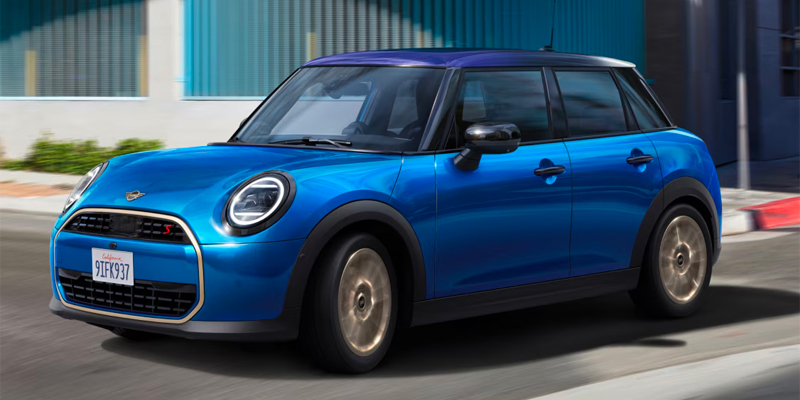
Two Compact SUVs Built for Different Mindsets
The MINI Countryman ALL4 is engineered to feel engaging and composed, even when conditions change. Steering response, chassis balance, and traction management are tuned to make the driver feel connected and confident.
The Volkswagen Taos is designed around simplicity and practicality. Its strengths lie in efficient packaging, easy controls, and predictable behavior that fades into the background during daily use.
Both approaches are valid. They simply serve different expectations.
Read the rest of this entry »2026 MINI Hardtop 4 Door Lease & APR Guide: Compact Efficiency, Practical Features, and Smart Monthly Payments
Choosing between leasing and financing a compact car is less about chasing the lowest number and more about matching payment structure to how the vehicle will actually be used. The 2026 MINI Hardtop 4 Door sits in a unique space where efficiency, predictable wear, and everyday usability shape how both lease and APR options perform over time. Understanding those mechanics helps shoppers choose a path that stays comfortable month after month.
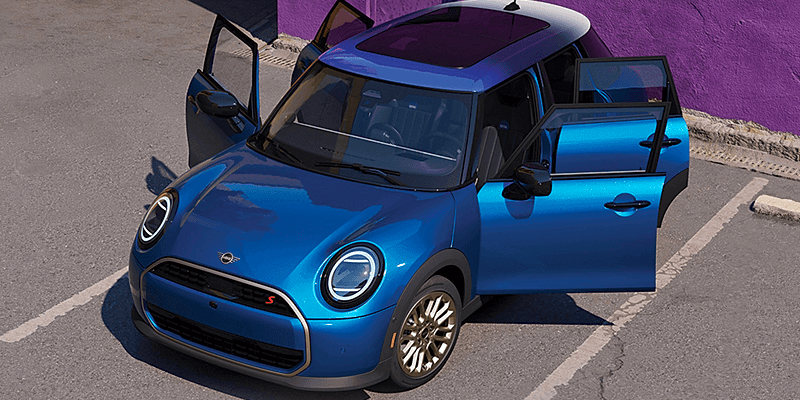
MINI approaches compact design with intention. The Hardtop 4 Door is built to be driven daily, parked easily, and used efficiently. Those characteristics influence how leasing and financing behave in real ownership scenarios.
How Leasing Works for the MINI Hardtop 4 Door
A lease is a closed end agreement that pays for the portion of the vehicle used during the term rather than the full value. Monthly payments are influenced by residual value, term length, mileage allowance, and money factor.
Compact vehicles like the Hardtop 4 Door often lease efficiently because:
- Vehicle weight and size reduce wear exposure
- Fuel efficiency supports consistent daily use
- Depreciation is more controlled over short ownership windows
- Interior and exterior components age predictably
For drivers who prefer structured ownership with a clear exit plan, leasing can offer consistency without long term commitment.
Read the rest of this entry »2026 MINI Hardtop 2 Door vs Toyota GR Corolla – Wesley Chapel, FL: Personality vs Power in the Hot Hatch Scene
Hot hatch shoppers are rarely just comparing horsepower numbers. They are comparing how a car feels on a familiar road, how it responds in traffic, and whether the driving experience stays enjoyable beyond the first hard pull. The 2026 MINI Hardtop 2 Door and the Toyota GR Corolla represent two very different interpretations of performance in a compact footprint. One is built around expressive agility and connection. The other is engineered for intensity and traction driven performance.
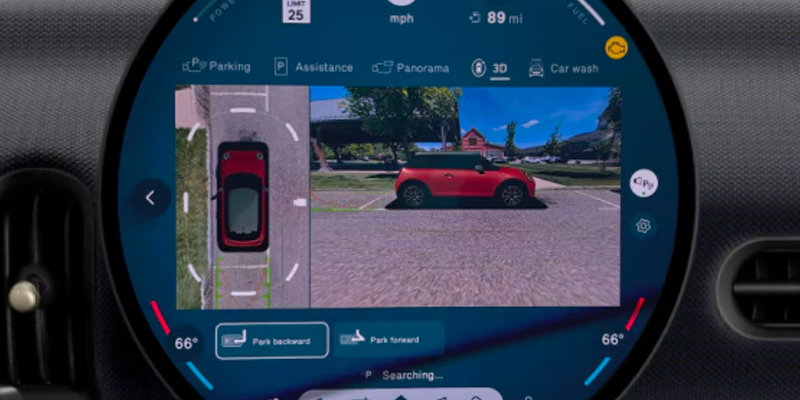
Understanding how these philosophies translate to daily driving is the key to choosing the right hot hatch.
Two Performance Philosophies, Two Very Different Experiences
The MINI Hardtop 2 Door is engineered around balance, steering feel, and driver engagement at realistic speeds. It emphasizes feedback and responsiveness rather than overwhelming grip.
The Toyota GR Corolla is built as a homologation inspired performance hatch. Its focus is power delivery, mechanical grip, and aggressive tuning designed to handle high load situations.
Both are quick. They just deliver speed and enjoyment in very different ways.
Read the rest of this entry »Safety in the 2026 MINI Countryman ALL4 is not treated as a checklist of features. It is engineered as a system where traction, stability, driver assistance, and chassis behavior work together to support confidence in real driving conditions. For Jacksonville drivers navigating sudden rain, dense traffic, and highway merges, understanding how these systems interact matters more than memorizing names.

The Countryman’s approach to safety reflects MINI’s belief that confident driving starts with control and awareness, not automation.
Safety as a Coordinated System, Not a Single Feature
The Countryman ALL4 combines active safety technology with mechanical grip and predictable handling. Rather than relying on one system to compensate for everything, MINI layers safety functions so each plays a specific role.
That layered approach includes:
- Chassis tuning that prioritizes stability and feedback
- Electronic driver assistance that monitors risk and intervenes when needed
- ALL4 all wheel drive that manages traction during acceleration and cornering
- Driver alerts designed to support decision making, not override it
This balance is especially relevant in Florida conditions where traction and visibility can change quickly.
Read the rest of this entry »2026 MINI Countryman ALL4 vs Volkswagen Taos – Wesley Chapel, FL: MINI’s Expressive SUV vs VW’s Practical Contender
Compact SUVs are often compared on paper by size, fuel economy, and price. In real ownership, the differences that matter most show up in how a vehicle feels every day. For drivers in Wesley Chapel, the comparison between the 2026 MINI Countryman ALL4 and the Volkswagen Taos highlights two distinct philosophies. One emphasizes expressive design, engaging driving feel, and premium details. The other focuses on straightforward utility, efficiency, and simplicity.
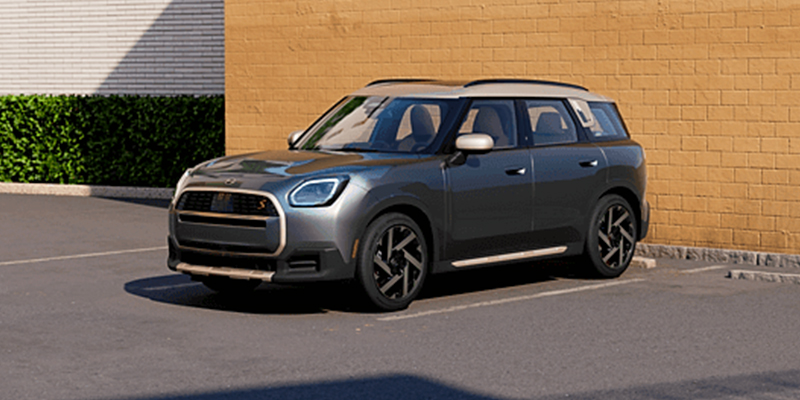
Understanding how these approaches differ helps shoppers choose the SUV that fits their lifestyle rather than just their checklist.
Positioning in the Compact SUV Segment
Both the MINI Countryman and the Volkswagen Taos occupy the compact SUV category, but they target different priorities.
The Countryman ALL4 is designed to:
- Blend MINI personality with everyday versatility
- Deliver confident traction with an active AWD system
- Emphasize driving engagement alongside practicality
- Offer a more premium interior experience
2026 MINI Convertible Ownership Guide – Jacksonville, FL: Costs, Care, and Everyday MINI Fun
Owning a convertible is often viewed as a lifestyle decision, but for many Jacksonville drivers, the 2026 MINI Convertible serves as a genuine daily driver rather than a weekend indulgence. Modern engineering has reshaped what convertible ownership looks like, balancing open air enjoyment with year round practicality. Understanding the real costs, care requirements, and day to day usability helps set accurate expectations and ensures long term satisfaction.
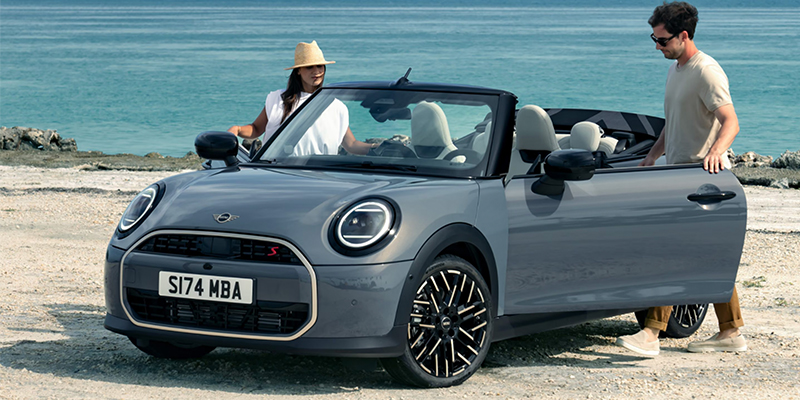
This guide breaks down what MINI Convertible ownership actually involves beyond the emotional appeal.
What Makes the MINI Convertible Different to Own
The MINI Convertible is built on the same mechanical foundation as the hardtop model, which means most ownership considerations align closely with standard MINI vehicles. The primary distinction lies in the soft top system and how it interacts with climate, usage patterns, and routine care.
Ownership differences center on:
- Soft top material care
- Exposure to sun and weather
- Drainage system maintenance
- Seasonal usage habits
Mechanically, the vehicle follows MINI’s established maintenance and service logic.
Read the rest of this entry »2026 MINI Hardtop 2 Door vs Toyota GR Corolla – Wesley Chapel, FL: Personality vs Power in the Hot Hatch Scene
The hot hatch segment has always been about more than straight line speed. For drivers in Wesley Chapel who want a compact car that feels alive on real roads, the decision often comes down to how a vehicle delivers performance rather than how much power it claims on paper. The 2026 MINI Hardtop 2 Door and the Toyota GR Corolla represent two very different interpretations of the hot hatch formula. One leans into personality, agility, and connection. The other prioritizes output, grip, and motorsport inspired capability.
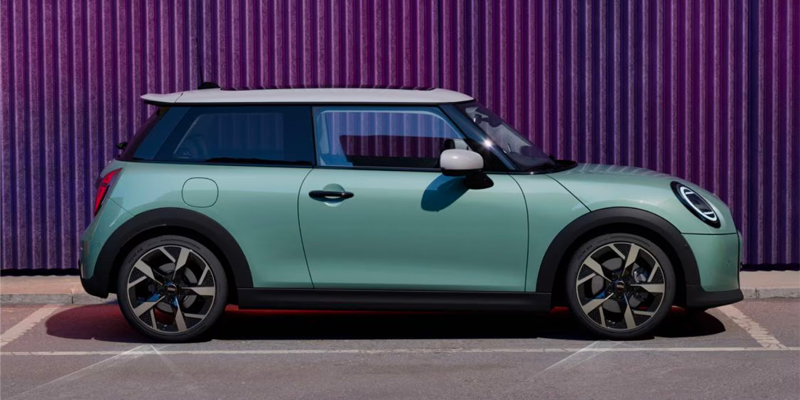
Understanding the difference helps buyers choose the car that fits how they actually drive.
What Defines a Hot Hatch Beyond Horsepower
A true hot hatch balances size, responsiveness, and driver engagement. While horsepower matters, it is only one piece of the experience.
Key elements that shape hot hatch character include:
- Vehicle weight and balance
- Steering response and feedback
- Suspension tuning and body control
- Wheelbase length and track width
- Power delivery behavior
- Driver involvement and control feel
These factors influence how a car feels at everyday speeds, on tight roads, and during daily commuting, not just on a spec sheet.
MINI Hardtop 2 Door Driving Character
The 2026 MINI Hardtop 2 Door stays true to MINI’s core philosophy of delivering an energetic, playful driving experience. Its compact footprint and short wheelbase create a sense of immediacy that defines its appeal.
Driving characteristics that stand out include:
- Quick steering response with direct feedback
- Lightweight feel that encourages confident cornering
- Low seating position that enhances connection to the road
- Front wheel drive tuning focused on balance and control
Rather than overwhelming the driver with power, the MINI Hardtop emphasizes precision. It feels eager, responsive, and engaging even at moderate speeds, which is where most real world driving actually happens.
Toyota GR Corolla Performance Positioning
The GR Corolla takes a different approach. It brings rally inspired engineering into the hot hatch space, focusing on traction and output.
Notable traits include:
- Higher horsepower output
- All wheel drive system for enhanced grip
- Broader stance and more aggressive setup
- Performance orientation rooted in motorsport influence
This design delivers strong acceleration and impressive traction, especially during hard launches or spirited driving. However, that added capability also brings additional weight and complexity.
Power Versus Engagement on Real Roads
On Wesley Chapel area roads, the difference between these two philosophies becomes clear.
The MINI Hardtop excels when:
- Navigating tight turns and roundabouts
- Driving on back roads with frequent direction changes
- Enjoying responsive steering at lower speeds
- Prioritizing fun without needing maximum power
The GR Corolla shines when:
- Accelerating hard from a stop
- Maintaining grip under aggressive driving
- Prioritizing traction and performance limits
For many drivers, the MINI’s approach feels more rewarding in everyday use because it delivers engagement without requiring extreme inputs.
Steering Feel and Chassis Balance
Steering is a defining trait for any performance focused hatchback.
The MINI Hardtop’s steering:
- Responds immediately to driver input
- Communicates front tire grip clearly
- Encourages confident placement on the road
- Enhances the sense of connection
The GR Corolla’s steering prioritizes stability and control, particularly at higher speeds. While effective, it often feels more filtered compared to the MINI’s communicative setup.
Daily Usability Considerations
Hot hatches are often daily drivers, not weekend toys.
MINI Hardtop daily strengths include:
- Compact size for urban driving
- Easy maneuverability in tight spaces
- Comfortable ride without losing engagement
- Strong personality that makes routine drives enjoyable
The GR Corolla offers:
- Impressive traction in varied conditions
- Performance credibility
- A more aggressive driving persona
However, its firmer setup and performance focus can feel less playful during normal commuting.
Personality and Emotional Connection
MINI has always leaned into emotional appeal. The Hardtop 2 Door feels expressive rather than serious, which resonates with drivers who want their car to feel like an extension of their personality.
Elements that reinforce this include:
- Distinctive design language
- Driver focused interior layout
- Engaging exhaust and engine response
- A sense of fun baked into the experience
The GR Corolla appeals to a different buyer, one who values performance pedigree and competitive capability. Its personality is defined by purpose rather than charm.
Choosing the Right Hot Hatch for Wesley Chapel Drivers
For shoppers comparing these two vehicles, the decision comes down to priorities.
Choose the MINI Hardtop 2 Door if:
- You value steering feel and agility
- You want maximum engagement at everyday speeds
- You prefer personality over raw output
- You enjoy a playful, expressive driving experience
Choose the GR Corolla if:
- You prioritize horsepower and traction
- You want all wheel drive performance
- You value motorsport inspired engineering
- You enjoy pushing performance limits
Ownership Perspective
The 2026 MINI Hardtop 2 Door and Toyota GR Corolla both earn their place in the hot hatch conversation, but they serve different drivers. MINI delivers a car that feels alive in daily driving, rewarding input and delivering personality with every turn of the wheel. For Wesley Chapel drivers who believe fun is measured by connection rather than numbers, the MINI Hardtop remains one of the most engaging hot hatches available.
2026 MINI Countryman ALL4 Lease & APR Breakdown: AWD Capability, Monthly Costs, and Smart MINI Value
The 2026 MINI Countryman ALL4 sits at the intersection of personality and practicality. It delivers MINI’s unmistakable design and driving character while adding the traction confidence many drivers want year round. For shoppers evaluating lease versus APR financing, the decision is shaped less by headline pricing and more by how ALL4 capability, residual value, and incentives interact over time.
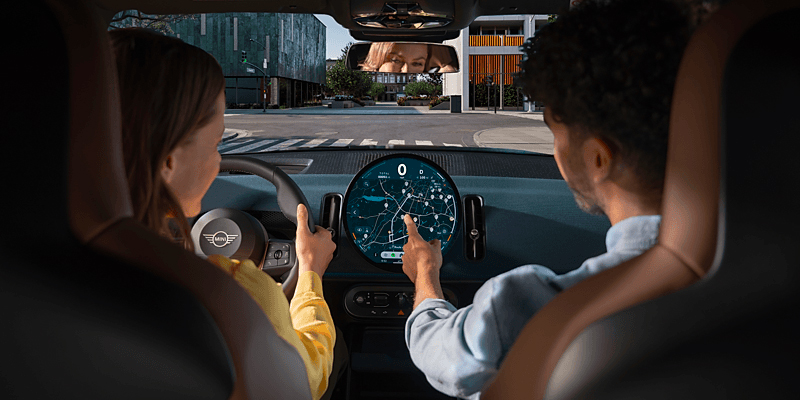
Understanding how these elements work together helps determine which ownership path best fits how the Countryman ALL4 will actually be used.
How MINI ALL4 Works in Real Driving
MINI ALL4 is an electronically controlled all wheel drive system designed for balance and confidence rather than off road extremes. Under normal conditions, the Countryman prioritizes efficiency by operating primarily as a front wheel drive vehicle. When traction demands change, the system can instantly redistribute power between the front and rear axles.
ALL4 responds to:
- Wheel slip detection
- Throttle input
- Steering angle
- Vehicle speed
- Road surface conditions
This proactive torque management improves stability during rain, light snow, and uneven surfaces without compromising MINI’s nimble handling feel.
Read the rest of this entry »2025 MINI Countryman vs Mazda CX-30: Tech, Space, and Personality Compared for Compact SUV Shoppers
Compact SUV shoppers often reach a crossroads when choosing between vehicles that deliver efficiency and everyday usability but differ sharply in character. The comparison between the 2025 MINI Countryman and the Mazda CX-30 comes up frequently because both appeal to drivers who want something smaller than a traditional SUV without sacrificing design, comfort, or driving confidence. Where they diverge is in how each brand approaches space, technology, and personality.
This guide compares the MINI Countryman and Mazda CX-30 through the lens of real world use, focusing on interior space, technology design, driving feel, and what each vehicle prioritizes in daily ownership.
Overall Size and Platform Philosophy
While both vehicles fall into the compact SUV category, their platforms are engineered with different goals in mind. The MINI Countryman is positioned as a true crossover with hatchback roots, while the CX-30 leans toward a compact crossover built from a sedan based architecture.
Key platform distinctions include:
- Countryman features a longer wheelbase that benefits rear seat legroom
- CX-30 uses a shorter platform that emphasizes agility and efficiency
- Countryman sits taller with a more upright stance
- CX-30 favors a lower roofline and sleeker proportions
These differences shape how space is distributed inside the cabin and how each vehicle feels on the road.
Interior Space and Rear Seat Comfort
Interior space is one of the most noticeable differences between the two vehicles. The MINI Countryman is designed to feel open and accommodating, especially for passengers beyond the front seats.
In the Countryman, rear passengers benefit from:
- Greater knee room due to the longer wheelbase
- More vertical headroom from the upright roof design
- Easier entry and exit through wider opening rear doors
- A rear bench that feels less confined for adult passengers
The Mazda CX-30 offers a well finished rear seat, but space is tighter. The sloping roofline and shorter cabin length reduce headroom and legroom, making the rear seat better suited for occasional use rather than regular adult passengers.
For drivers who frequently carry passengers, the Countryman provides a more flexible solution.
Cargo Space and Everyday Utility
Cargo usability is another area where these two vehicles differ in approach. While published cargo numbers may appear close, real world usability tells a different story.
Cargo considerations include:
- Countryman offers a wider and taller cargo opening
- Rear seats in the Countryman fold flatter for longer items
- CX-30 cargo space is more limited by rear glass angle
- Countryman accommodates bulky items with less rearranging
The CX-30 works well for daily errands and light hauling. The Countryman adds versatility for strollers, travel gear, and weekend activities without stepping up to a larger SUV.
Interior Design and Material Feel
Interior design reflects brand identity. MINI treats the cabin as an extension of the driving experience, while Mazda emphasizes simplicity and visual calm.
The MINI Countryman interior is defined by:
- Bold shapes and circular design elements
- A playful yet premium aesthetic
- Materials that emphasize texture and contrast
- A layout that feels driver focused
The CX-30 interior is minimalist and refined, with clean lines and restrained styling. Materials feel upscale for the segment, but the design prioritizes serenity over expression.
Shoppers who value personality and visual distinction often gravitate toward the Countryman, while those who prefer understated design may favor the CX-30.
Technology Interface and Usability
Technology usability depends not just on features but on how systems are integrated into the driving experience.
Countryman technology characteristics include:
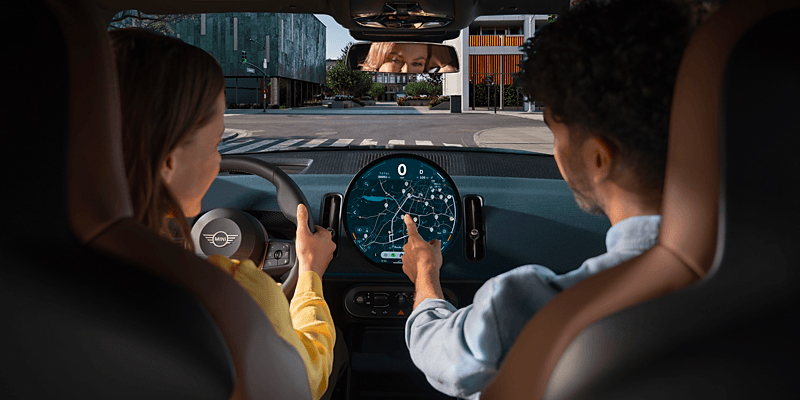
- A centrally mounted digital display that consolidates vehicle functions
- Clear digital instrumentation for essential driving information
- Logical menu structure that supports quick interaction
- Driver assistance features calibrated to support engagement
The CX-30 technology experience focuses on:
- Clean screen presentation
- Reduced visual clutter
- Emphasis on minimizing distraction
- Controls designed for ease rather than customization
MINI’s approach leans toward interaction and personality, while Mazda’s favors calm and restraint.
Driving Feel and Daily Confidence
Driving character plays a major role in long term satisfaction. Both vehicles handle daily driving well, but they deliver different experiences.
The MINI Countryman offers:
- Steering that feels connected and responsive
- A planted feel at highway speeds
- Suspension tuning that balances comfort with engagement
The Mazda CX-30 emphasizes:
- Smooth ride quality
- Predictable handling
- Comfort oriented suspension tuning
Drivers who enjoy a sense of involvement behind the wheel often prefer the Countryman. Those prioritizing relaxed commuting may appreciate the CX-30’s demeanor.
Ownership Perspective and Value
Value is not just about price. It includes how well a vehicle fits a driver’s lifestyle and how satisfying it feels to use over time.
The Countryman appeals to drivers who:
- Want a compact SUV with premium character
- Regularly use rear seats or cargo space
- Enjoy expressive design and driving engagement
- Prefer a vehicle that stands out
The CX-30 suits drivers who:
- Prioritize refined simplicity
- Drive primarily solo or with one passenger
- Value quiet comfort over engagement
- Prefer understated design
Both vehicles offer strong reliability and efficiency, but they speak to different priorities.
What Compact SUV Shoppers Should Evaluate
Before choosing between the MINI Countryman and Mazda CX-30, shoppers should consider:
- How often rear seats are used
- Typical cargo needs beyond groceries
- Driving style and commute length
- Preference for expressive versus minimalist interiors
- Desire for engagement versus comfort
Understanding these factors clarifies which vehicle aligns best with daily life.
Final Perspective on MINI Countryman vs Mazda CX-30
The 2025 MINI Countryman and Mazda CX-30 represent two distinct interpretations of the compact SUV. The CX-30 delivers refined comfort and visual simplicity. The Countryman adds space, flexibility, and unmistakable personality paired with engaging road manners.
For drivers who want a compact SUV that feels expressive, adaptable, and genuinely fun to live with every day, the MINI Countryman offers a compelling balance of practicality and character. For those who value calm design and a relaxed driving experience, the CX-30 remains a strong alternative. Choosing between them ultimately comes down to whether personality or restraint matters more in your daily drive.
2025 MINI Hardtop 4 Door Technology & Interior Guide: Smart Space, Clever Features, Classic MINI Attitude
The 2025 MINI Hardtop 4 Door is engineered for drivers who want compact dimensions without giving up everyday usability or modern technology. While small cars are often dismissed as impractical, MINI approaches interior packaging and technology integration differently. Every design decision is made to maximize usable space, preserve driving engagement, and keep the cabin intuitive rather than overwhelming.
This guide explains how the MINI Hardtop 4 Door interior is laid out, how its technology systems work in real world driving, and what shoppers should evaluate when deciding whether a compact hatchback can truly serve as a daily vehicle.

Interior Packaging and Space Efficiency
The Hardtop 4 Door uses MINI’s efficient hatchback architecture to extract as much usable space as possible from a small footprint. Rather than stretching the body outward, engineers focus on vertical space, seat positioning, and door design.
Interior space characteristics include:
- Upright seating that increases headroom without raising the roofline excessively
- Thin seatbacks that preserve rear legroom
- Four real doors that improve access compared to two door hatchbacks
- A hatch layout that supports flexible cargo use
For urban and suburban drivers, this design makes the Hardtop 4 Door easier to live with than its size suggests, especially when navigating tight parking and narrow streets.
Rear Seat Comfort and Practical Use
Rear seating is where compact cars often reveal their limitations. MINI addresses this by prioritizing posture and access rather than sheer width.
Rear seat considerations include:
- Adequate legroom for short to medium length trips
- Headroom that accommodates adults due to the upright roofline
- Door openings that reduce the need to slide front seats excessively
- A rear bench best suited for two adults or children rather than three across
While it is not a replacement for a compact SUV, the Hardtop 4 Door comfortably handles passengers for daily commutes, errands, and occasional longer drives.
Cargo Space and Hatchback Versatility
Cargo usability is one of the Hardtop 4 Door’s strongest advantages over traditional sedans. The hatchback design allows vertical loading and flexible configurations.
Cargo functionality includes:
- A rear hatch opening that supports bulky items
- Split folding rear seats for longer cargo
- A flat load floor when seats are folded
- Usable space for groceries, luggage, or gear
This flexibility makes the Hardtop 4 Door a practical option for drivers who want compact efficiency without sacrificing carrying capability.
Technology Integration and Driver Interface
MINI integrates technology with personality. The Hardtop 4 Door cabin centers around a circular display that houses the infotainment system while reinforcing MINI’s signature design language.
Technology features include:
- A central digital display that consolidates infotainment and vehicle settings
- Clear digital instrumentation for speed and driver information
- Apple CarPlay integration for navigation and media
- Intuitive menu structure that minimizes distraction
Rather than scattering screens across the dashboard, MINI keeps the interface focused and visually cohesive.
Physical Controls and Usability
While touchscreens dominate many modern interiors, MINI retains physical controls for core functions. This choice supports real world driving where tactile feedback matters.
Usability benefits include:
- Toggle switches for key vehicle functions
- Physical controls for climate adjustments
- Steering wheel mounted controls for media and calls
- Reduced need to navigate menus while driving
These elements contribute to a cabin that feels playful but purposeful.
Driving Technology and Assistance Systems
The Hardtop 4 Door incorporates driver assistance systems designed to support awareness rather than replace driver input.
Available systems include:
- Forward collision warning with automatic braking
- Lane departure warning
- Adaptive cruise control
- Parking assistance features
MINI calibrates these systems conservatively, allowing the driver to remain engaged while benefiting from additional safety layers.
Comfort, Materials, and Daily Use
Interior comfort is shaped by material choice and seating design rather than size alone. MINI selects materials that balance durability with visual character.
Interior comfort features include:
- Supportive seats designed for upright driving posture
- Durable upholstery suited for frequent entry and exit
- Sound insulation that reduces road noise without isolating the driver
- Thoughtful storage for small items and devices
These choices make the Hardtop 4 Door comfortable for daily use without diluting its sporty personality.
Technology Standardization and Trim Considerations
Technology availability varies by trim, but MINI emphasizes consistent core functionality rather than reserving essentials for higher levels.
Shoppers should evaluate:
- Which trims include advanced driver assistance features
- Display size and interface differences
- Audio system upgrades
- Customization options tied to interior finishes
Understanding how technology scales across trims helps buyers choose a configuration that fits both budget and expectations.
Who the MINI Hardtop 4 Door Is Built For
The Hardtop 4 Door appeals to drivers who want:
- A compact vehicle with real daily usability
- Easy parking and urban maneuverability
- Engaging driving dynamics
- Distinctive interior design
- Modern technology without complexity
It works particularly well for city dwellers, commuters, and drivers downsizing from larger vehicles.
Final Perspective on the 2025 MINI Hardtop 4 Door Interior and Technology
The 2025 MINI Hardtop 4 Door proves that small cars can be smart, practical, and genuinely enjoyable to use every day. Its efficient interior packaging, intuitive technology, and classic MINI character create a cabin that feels intentional rather than compromised.
For drivers who value personality, usability, and technology that enhances rather than overwhelms, the Hardtop 4 Door delivers a compact driving experience that feels thoughtfully engineered for real life.
Connect with us


Recent Blog Entries
- 2026 MINI Countryman ALL4 vs Volkswagen Taos – Wesley Chapel, FL: MINI’s Expressive SUV vs VW’s Practical Contender
- 2026 MINI Hardtop 4 Door Lease & APR Guide: Compact Efficiency, Practical Features, and Smart Monthly Payments
- 2026 MINI Hardtop 2 Door vs Toyota GR Corolla – Wesley Chapel, FL: Personality vs Power in the Hot Hatch Scene
- 2026 MINI Countryman ALL4 Safety & Driver Assistance Guide – Jacksonville, FL: Confidence for Every Adventure
- 2026 MINI Countryman ALL4 vs Volkswagen Taos – Wesley Chapel, FL: MINI’s Expressive SUV vs VW’s Practical Contender