
Blog / Jacksonville MINI Dealer

Catalytic Converters in MINI Vehicles: Function, Maintenance, and Protection

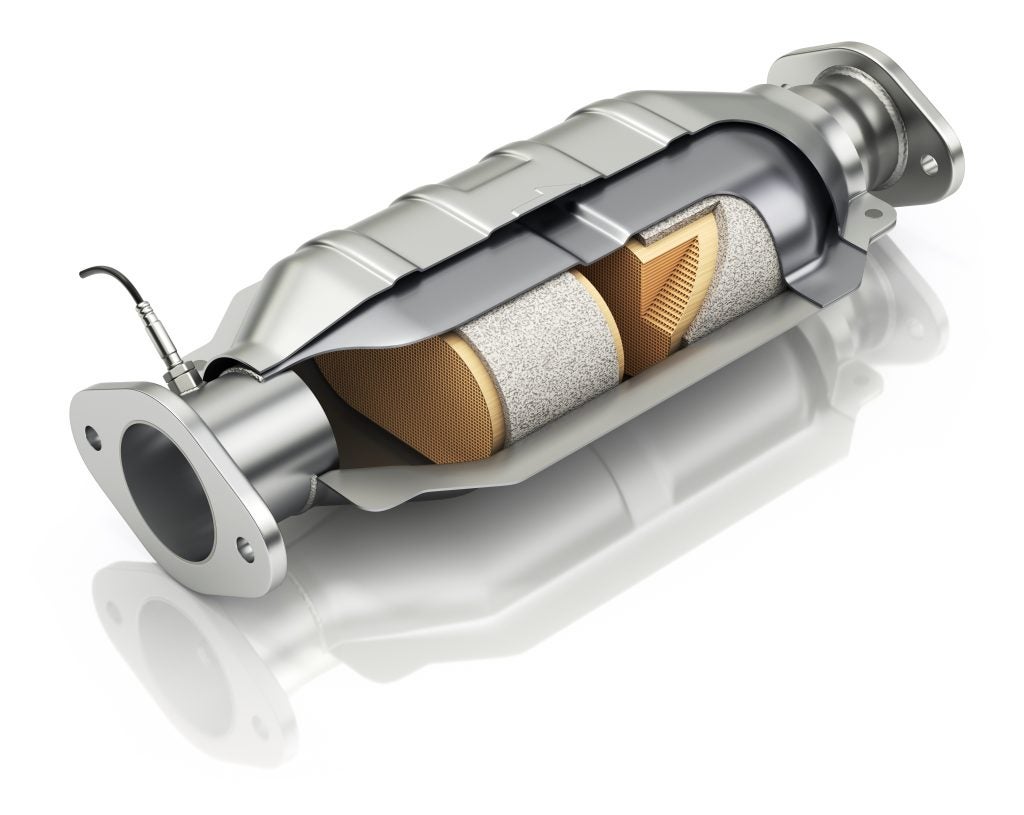
At Tom Bush MINI in Jacksonville, FL, we understand the importance of every component in your MINI vehicle, especially the catalytic converter. This crucial part of your MINI’s exhaust system plays a vital role in reducing harmful emissions and ensuring your vehicle meets environmental standards. Let’s delve into the world of catalytic converters, their function in MINI vehicles, and why proper maintenance is essential.

Image licensed via shutter stock

The Role of Catalytic Converters in MINI Vehicles

Catalytic converters are an integral part of your MINI’s exhaust system, typically located underneath the vehicle between the engine and the muffler. Their primary purpose is to convert harmful pollutants in the exhaust gases into less harmful substances before they’re released into the atmosphere.

In MINI vehicles, catalytic converters work tirelessly to transform three main types of emissions:

  1. Carbon monoxide (CO) into carbon dioxide (CO2)
  2. Hydrocarbons (HC) into water (H2O) and CO2
  3. Nitrogen oxides (NOx) into nitrogen (N2) and oxygen (O2)

This conversion process significantly reduces the environmental impact of your MINI, making it a cleaner and more eco-friendly vehicle to drive.

The Necessity of Catalytic Converters

You might wonder if catalytic converters are truly necessary for your MINI. The answer is a resounding yes. Not only are they required by law in most countries, including the United States, but they also play a crucial role in:

  • Reducing air pollution
  • Improving air quality in urban areas
  • Helping your MINI meet emission standards
  • Potentially improving fuel efficiency

Without a functioning catalytic converter, your MINI would emit significantly higher levels of harmful pollutants, contributing to environmental issues and potentially failing emission tests.

Catalytic Converter Lifespan and Potential Issues

While catalytic converters are designed to last the lifetime of your MINI, they can sometimes go bad or become less efficient over time. Several factors can contribute to catalytic converter issues:

  • Exposure to contaminants like oil or coolant
  • Physical damage from road debris
  • Excessive heat from engine misfires
  • Age and high mileage

Recognizing the signs of a failing catalytic converter is crucial for maintaining your MINI’s performance and avoiding more severe engine problems.

Signs of a Failing Catalytic Converter in Your MINI

Be alert for these symptoms that may indicate your MINI’s catalytic converter needs attention:

  1. Decreased engine performance or acceleration
  2. Reduced fuel efficiency
  3. Dark exhaust smoke or unusual exhaust odors
  4. Illuminated check engine light
  5. Rattling noises from underneath the vehicle
  6. Failed emissions test

If you notice any of these signs, it’s essential to have your MINI inspected by our certified technicians at Tom Bush MINI in Jacksonville, FL.

Catalytic Converter Replacement and Costs

When a catalytic converter needs replacement, it’s crucial to use a high-quality part designed specifically for your MINI model. The cost of replacement can vary depending on the specific MINI model and the extent of the damage.

Replacement costs for a MINI catalytic converter typically range from $1,000 to $2,500*. This cost includes both parts and labor. However, the exact price can fluctuate based on market conditions and the specific requirements of your MINI model.

*Please note that these prices are estimates and may vary. For an accurate quote, please contact our service department at Tom Bush MINI.

Catalytic Converter Maintenance

While catalytic converters don’t require regular cleaning like some other car parts, there are steps you can take to maintain their efficiency and longevity:

  • Regular engine tune-ups to prevent misfires
  • Using the correct fuel grade for your MINI
  • Addressing any check engine lights promptly
  • Avoiding short trips that don’t allow the converter to reach optimal operating temperature

By following these maintenance tips, you can help ensure your MINI’s catalytic converter performs efficiently for years to come.

Protecting Your MINI’s Catalytic Converter from Theft

Unfortunately, catalytic converter theft has become increasingly common due to the valuable metals used in their construction. MINI owners should be aware of this risk and take steps to protect their vehicles:

  1. Park in well-lit areas or secure garages when possible
  2. Consider installing a catalytic converter protection device
  3. Engrave your vehicle’s VIN on the converter
  4. Be cautious of any unusual sounds or individuals near your parked MINI

If you’re concerned about catalytic converter theft, our team at Tom Bush MINI can provide advice on additional security measures tailored to your specific MINI model.

The Impact of a Bad Catalytic Converter on Your MINI’s Engine

A malfunctioning catalytic converter can have serious consequences for your MINI’s engine. It can lead to:

  • Increased back pressure in the exhaust system
  • Reduced engine performance and fuel efficiency
  • Potential engine damage if left unaddressed

That’s why it’s crucial to address any catalytic converter issues promptly. Our expert technicians at Tom Bush MINI are equipped to diagnose and resolve these problems efficiently, protecting your MINI’s engine and performance.

Understanding Catalytic Converter Regulations

As MINI owners, it’s important to be aware of the regulations surrounding catalytic converters. In many areas, it’s illegal to drive a vehicle without a functioning catalytic converter or to modify the exhaust system in a way that reduces its effectiveness.

Additionally, if your MINI’s catalytic converter is stolen, most insurance policies will cover the replacement under comprehensive coverage. However, it’s always best to check with your specific insurance provider for details.

The Future of Catalytic Converters in MINI Vehicles

As automotive technology evolves, so do emission control systems. MINI continues to innovate in this area, developing more efficient catalytic converters and exploring alternative technologies to reduce emissions further.

At Tom Bush MINI, we stay at the forefront of these advancements, ensuring we can provide the best service and advice for your MINI’s emission control system, now and in the future.

In conclusion, your MINI’s catalytic converter is a vital component that deserves attention and care. By understanding its function, recognizing potential issues, and taking steps to protect it, you can ensure your MINI continues to deliver the performance and efficiency you expect while minimizing its environmental impact.

For any questions about your MINI’s catalytic converter or to schedule a service appointment, don’t hesitate to contact us at Tom Bush MINI in Jacksonville, FL. Our team of MINI experts is always here to help keep your vehicle running at its best.


Posted in:

Related Posts

First Year With a MINI Ownership Guide for New Drivers

First Year With a MINI Ownership Guide for New Drivers

First year with a MINI ownership starts with learning the car before routine service becomes the main concern. Additionally, your first weeks cover controls, phone setup, storage, parking, and where to find accurate vehicle information. Therefore, treat the first year as a learning period with clear checkpoints. Tom Bush MINI in Jacksonville provides several owner resources when questions come up. Learn Your MINI During the First Few Weeks What should you learn first after buying a MINI? Start with the controls you will use on every drive. Then move into phone pairing, driver settings, lighting, climate controls, and the MINI App. Moreover, your exact model may offer features that differ from another MINI. The Apple CarPlay guide covers phone pairing and supported iPhone functions. In addition, the MINI Connected guide explains remote tools and connected features. Those resources are better places for step by step setup. During the first few weeks, focus on a short list of owner tasks. Save your preferred driver settings and learn the controls you use most. Pair your phone, review app permissions, and confirm which connected features your MINI supports. Find your digital owner information and keep Tom Bush MINI contact details easy to reach. Beyond that, use time behind the wheel to learn the car naturally. Do not try to memorize every menu at delivery. Instead, return to the owner manual whenever a feature raises a question. Adjust to MINI Size, Passenger Space, and Daily Use What takes time to get used to in a MINI? Parking, visibility, passenger access, and storage can feel different at first. Therefore, each MINI body style uses space differently, so your routines should match the exact vehicle. Start with parking and sight lines. Learn where the corners of the vehicle sit from the driver's seat. Additionally, use mirrors and available parking aids to build a reliable reference point. That makes tight spaces easier to judge. Additionally, passenger and cargo routines need the same attention. A Cooper may call for a different loading plan than a Countryman. In addition, rear access, seat folding, and storage placement can change how you pack the car. Test groceries, work bags, child gear, or weekend items before a longer trip. Still, the goal is not to force the MINI into every task. Learn which jobs fit the vehicle well. Then plan around the cabin space you truly have. Understand Maintenance and Service Planning When will your MINI need maintenance? The vehicle tracks service needs and provides reminders tied to the exact MINI. Therefore, watch those alerts instead of relying on one generic mileage number. Tom Bush MINI explains the broader process in its MINI maintenance schedule guide. The dealership also provides information about MINI maintenance plans. Those pages cover scheduled care in more detail. For this reason, your role during the first year is simpler. Pay attention to service messages, tire information, fluid warnings, and any change you notice while driving. Additionally, keep service records together so later questions are easier to answer. Tom Bush MINI also offers MINI Proactive Care information for eligible connected vehicles. That resource explains digital service communication and app based owner support. Moreover, the service center gives Jacksonville owners a direct path for maintenance questions. If the car requests service, review the notice before scheduling. Then use the online service appointment page when a visit is needed. Know Your Warranty, Roadside, and Support Resources A new MINI comes with several owner support programs, but each one serves a different purpose. Scheduled maintenance covers eligible routine care under current MINI terms. Warranty coverage addresses qualifying defects. Roadside assistance supports certain travel disruptions. Therefore, that separation matters when a problem appears. A service reminder belongs in the maintenance path. A suspected defect may require warranty review. A flat tire or disabled vehicle may call for roadside support. For extra protection topics, Tom Bush MINI maintains its Motoring Protection Plans resource. It explains optional products separately from standard vehicle coverage. In addition, save the MINI owner manual and roadside contact information before you need them. Keep the vehicle identification number available when requesting help. That gives the support team the exact vehicle information quickly. If you are unsure which resource applies, start with Tom Bush MINI. The service team can review the concern and point you toward the correct next step. Plan for First Year Costs and Follow Up Questions Additionally, first year costs extend beyond scheduled maintenance. Fuel, insurance, parking, tires, accessories, cleaning supplies, and wear items can all enter your budget. Therefore, separate covered maintenance from normal operating expenses. Before the year gets busy, build a simple owner checklist. Review insurance, fuel, parking, and tire expenses based on your own driving routine. Keep receipts and service records together, including work completed outside scheduled maintenance. Write down finance, feature, service, or accessory questions instead of waiting until the next visit. For finance questions, the MINI Financial Services page provides another internal resource. For service questions, use the Tom Bush MINI service pages before guessing about a warning or repair need. Your first year with a MINI should leave you more familiar with the car each month. Learn the controls, build reliable routines, track service notices, and keep support resources close. Tom Bush MINI in Jacksonville can answer questions as your ownership routine becomes more settled.

MINI Hardtop 2 Door vs 4 Door

MINI Hardtop 2 Door vs 4 Door Guide for Jacksonville

MINI Hardtop 2 Door vs 4 Door choices become clearer when rear access, cargo room, and parking enter the decision. The 2 Door uses front doors for rear entry. By contrast, the 4 Door adds separate rear doors. Therefore, the first choice should reflect how frequently someone uses the second row. Both current Cooper body styles keep a compact footprint and familiar MINI proportions. However, the extra doors change passenger entry and cargo room. The 2 Door stays shorter overall. In addition, the 4 Door adds rear legroom and more cargo space behind the seats. Start With Rear Seat Access How frequently will someone use the rear seats? MINI Hardtop 2 Door vs 4 Door access changes how each passenger reaches the second row. Frequent second row entry favors the Cooper 4 Door because each row has direct door access. The Cooper 2 Door still includes rear seating, but passengers enter after a front seat moves forward. That extra step may matter little when the rear seats stay empty most days. However, regular adult passengers can make separate rear doors easier to use. Families using child seats may also prefer direct access to the second row. The Cooper 4 Door gives rear passengers their own entry points. Therefore, nobody needs to move a front seat before entering the back. In addition, bags and small items can reach the rear floor without disturbing front occupants. The Cooper 2 Door keeps a simpler two door layout. Therefore, it can suit a driver who rarely carries rear passengers. Its shorter body can also leave more room in tight parking spaces. Rear Passenger Space Changes With the 4 Door Which version gives rear passengers more room? MINI Hardtop 2 Door vs 4 Door rear space favors the 4 Door for legroom. The Cooper 4 Door adds 1.5 inches of rear legroom beyond the 2 Door. That increase works with the separate rear doors to make second row entry less involved. Rear space should still be checked with the front seat set correctly. Therefore, place the driver's seat first, then sit behind it. Check knee room, foot space, head clearance, and door opening size. Adults who ride in back several times each week may notice those details quickly. However, occasional rear passengers may not make them a deciding factor. A household should judge passenger frequency before choosing more doors. Child seat access deserves the same review. In addition, parents should check the door opening and space around the installed seat. Buckling a child through a rear door takes fewer steps than moving a front seat first. Cargo Needs Can Change the Choice What needs to fit behind the rear seats? MINI Hardtop 2 Door vs 4 Door cargo figures show a clear size difference. The Cooper 2 Door lists 8.9 cubic feet of cargo room. The Cooper 4 Door lists 13.1 cubic feet behind its rear seats. Therefore, the 4 Door gives you more room while keeping every passenger seat available. The difference grows when the rear seats fold. MINI lists up to 40 cubic feet in the 4 Door with them folded. However, folded seats remove passenger positions, so maximum cargo volume does not answer every loading question. A useful test starts with the items you carry each week. Groceries, backpacks, luggage, pet supplies, and work bags all use space differently. Therefore, the hatch opening and floor shape deserve attention along with the published number. Current Size and Cargo Comparison Measurement Cooper 2 Door Cooper 4 Door Overall length 152.6 inches 158.9 inches Width including mirrors 77.6 inches 77.6 inches Cargo behind rear seats 8.9 cubic feet 13.1 cubic feet Cargo with rear seats folded Check current configuration Up to 40 cubic feet Rear access Through front doors Separate rear doors Rear legroom Standard 2 Door layout 1.5 additional inches These figures show where the two body styles separate most clearly. Therefore, passenger access and cargo room should carry more weight than door count alone. Parking Space Favors the Shorter 2 Door Does 6.3 inches of added length matter where you park? MINI Hardtop 2 Door vs 4 Door length differs by 6.3 inches. It can matter in a short garage or tight curbside space. The Cooper 2 Door measures 152.6 inches long. The Cooper 4 Door measures 158.9 inches. Both list the same 77.6 inch width including mirrors. Therefore, the clearer parking difference comes from length, not listed mirror width. The shorter body can leave more room around a garage door or storage shelf. In addition, the shorter Cooper can make close curbside spaces easier to judge. The 4 Door remains compact, but its extra length supports more rear room and cargo space. Parking should be tested with the exact space you use most. Therefore, note garage depth, driveway layout, and common parking locations. A side by side drive can make the length difference easier to judge than numbers alone. Match Each Body Style to Your Household Routine Which body style fits your week? MINI Hardtop 2 Door vs 4 Door decisions should reflect passenger and cargo frequency. A commuter who drives alone may place more weight on the shorter 2 Door. By contrast, a couple with regular rear passengers may prefer the 4 Door. Separate rear doors remove the need to move a front seat. In addition, the larger rear cargo area can keep more items behind the seats. A household with children may care most about second row access. Someone carrying groceries and work gear together may care more about cargo room. Therefore, the right test should copy the tasks that happen every week. Use these scenarios as a starting point: The 2 Door can suit drivers who rarely use rear seats and value the shortest footprint. The 4 Door can suit households that use the second row several times each week. The 4 Door can suit shoppers who need more cargo room without folding the rear seats. These examples should narrow the choice, not replace a physical test. Therefore, bring common bags or child seat measurements when you compare both cars. Compare Both MINI Cooper Body Styles in Jacksonville What should you test before choosing? MINI Hardtop 2 Door vs 4 Door testing should start with rear entry and cargo loading. Those checks reveal clear structural differences between the Cooper 2 Door and Cooper 4 Door. Tom Bush MINI in Jacksonville carries current 2 Door and 4 Door inventory for direct comparison. Therefore, you can move between them while the differences are fresh. Current inventory also lets you compare the exact trim and equipment you may purchase. Before the drive, check these items: Open the rear seating area and use the entry path you expect to use most. Load a common bag, stroller, or other regular cargo item through each hatch. Park both cars and compare front clearance, rear clearance, and door access. In addition, set the front seat to your normal position before checking rear room. That keeps the passenger comparison fair. Then drive both on roads similar to the routes you use most. MINI Hardtop 2 Door vs 4 Door choices become easier when you test the spaces you will use every week. Therefore, choose the layout that fits your passengers, cargo, and parking routine.

MINI Lease Return Options for Jacksonville Drivers

MINI lease return planning gives you time to compare returning, purchasing, replacing, or trading before your contract reaches maturity. Therefore, the first step is choosing which path fits your next vehicle plan. MINI Financial Services lists three main paths: return the MINI, purchase it, or choose another MINI. A trade discussion can also happen near maturity through a dealer appraisal. Review Your MINI Lease Return Options First What are your MINI lease return options? You can return the vehicle, purchase it, replace it, or discuss a trade near maturity. Therefore, review your lease contract before choosing a direction. In addition, the contract contains mileage limits, the residual value, and other figures tied to your account. Returning the MINI moves you toward inspection and turn in steps. Purchasing it shifts attention toward the contractual purchase amount and financing. In addition, replacing it creates a separate choice involving another model and a new payment agreement. A trade discussion adds a dealer appraisal to the process. These four paths answer different questions: Return the MINI when you want to complete the current agreement without keeping the vehicle. Purchase the MINI when you want to keep the same car and review the contractual purchase amount. Replace the MINI when you want another model and a new lease or finance agreement. Discuss a trade when you want a dealer appraisal alongside the figures tied to the current lease. Therefore, decide which path deserves deeper review before focusing on inspection details. That order keeps the maturity process easier to follow. Returning the MINI Requires Inspection and Preparation What should you prepare before returning the vehicle? Review its mileage, condition, original items, and inspection status before the appointment. MINI Financial Services includes an inspection as part of the return process. Therefore, the inspection gives you a documented view of wear and damage before turn in. Start by checking the vehicle for visible dents, wheel damage, glass damage, and interior wear. In addition, gather every key, manual, accessory, and original item that came with the MINI. These items may matter during the final return review. The inspection should guide repair decisions. Therefore, do not assume that every mark needs repair before return. Use the documented findings to discuss which items may create a charge under the lease agreement. MINI lease return planning also includes confirming where the vehicle will go. The originating MINI dealer must accept the return. Another MINI dealer may accept it after agreeing to the return. Therefore, contact the intended location before making final travel plans. Purchasing the Leased MINI Starts With the Contract What should you review before purchasing the leased MINI? Start with the residual value and current payoff information tied to your agreement. The residual value was set when the lease began. Therefore, it is different from a dealer appraisal or current retail listing. MINI Financial Services states that the residual value is not negotiated. However, the final purchase discussion can still include financing and required transaction details. Review the exact account figures before comparing this path with another vehicle. Next, consider the MINI you already know. Service records, mileage, condition, and current repair needs are already visible to you. Therefore, those facts can make the purchase review more concrete than evaluating an unfamiliar used vehicle. A purchase also changes the financial path. The lease ends, while a purchase or finance agreement begins. In addition, future maintenance and repair costs move fully into the next phase of ownership. MINI lease return research should therefore include both contract figures and vehicle condition. Those two areas give you a clearer basis for deciding whether keeping the MINI makes sense. Replacing the MINI Creates a New Vehicle Decision What changes when you move into another MINI? The old lease and the next vehicle agreement remain separate decisions. Therefore, begin by choosing the next model before comparing payment structures. Current MINI choices include smaller Cooper models and the larger Countryman. In addition, the Countryman SE ALL4 adds an electric route for drivers with charging access. Your next vehicle may also come from new, pre owned, or MINI Certified inventory. A replacement decision should reflect what changed since the last lease began. Passenger needs, cargo needs, commute distance, and parking may now point toward another body style. Therefore, use the maturity point to reassess the model before signing another agreement. Then review the next contract on its own terms. Mileage allowance, lease length, financing structure, and vehicle price all deserve a fresh look. The prior lease does not automatically set those figures for the next MINI. MINI lease return planning can therefore lead directly into a model comparison. However, choose the next vehicle because it fits your current routine, not because it resembles the outgoing MINI. Mileage and Condition Need Review Before Maturity How should you review mileage and vehicle condition? Compare the odometer with the allowance in your lease contract before return. Therefore, you can see whether your current pace may place you above the contracted mileage. MINI Financial Services currently offers a Mileage Adjustment Program for eligible accounts. The program can provide another mileage planning route before vehicle return. However, eligibility and current terms should be confirmed through MINI Financial Services. Vehicle condition deserves the same early review. Look at tires, wheels, glass, exterior panels, upholstery, and included equipment. In addition, use the inspection findings before choosing whether to repair an item. Mileage and wear are separate parts of the MINI lease return process. One measures distance traveled, while the other reviews the vehicle itself. Therefore, checking both early gives you more time to discuss available options. If you are considering a purchase, these findings still matter. They help you assess the vehicle you may keep. If you plan to return it, they prepare you for the formal turn in. Plan the Return or Replacement With Tom Bush MINI What should a Jacksonville lessee confirm before the final appointment? Confirm your chosen path, account figures, inspection status, mileage, and return location. Therefore, your final appointment should not be the first time you review these details. Use the Tom Bush MINI Lease Return Center for the formal return process. In addition, current inventory can support a replacement comparison if you want another MINI. The finance team can also discuss a purchase path or a new agreement. Before the appointment, review these final items: Confirm whether you plan to return, purchase, replace, or discuss a trade. Bring required keys, accessories, and other original items with the MINI. Review mileage, inspection findings, account figures, and the agreed return location before arrival. MINI lease return planning works best when each choice is handled before the final turn in. Therefore, use the maturity period to compare the paths carefully. Tom Bush MINI in Jacksonville can connect the return process with current inventory and finance resources.